
Last updated November 2, 2026
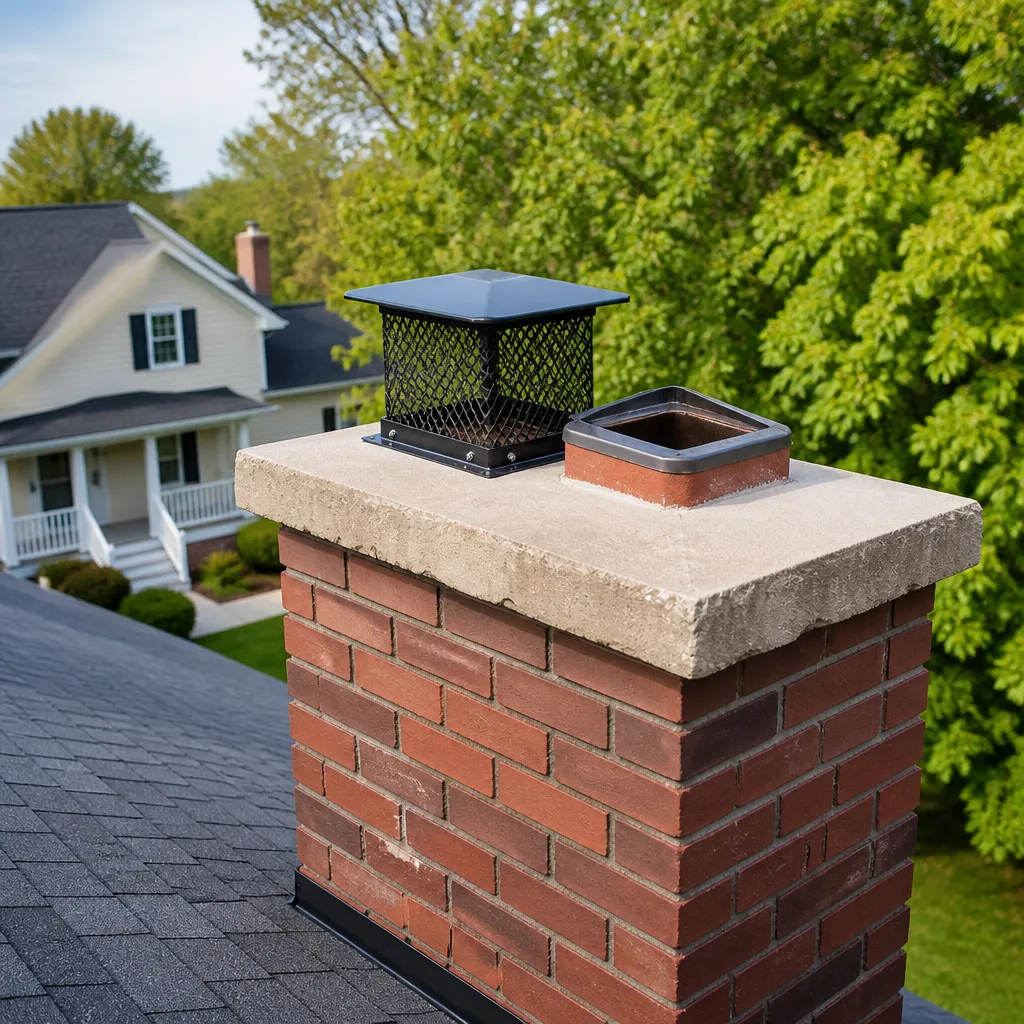 Sweep & inspection
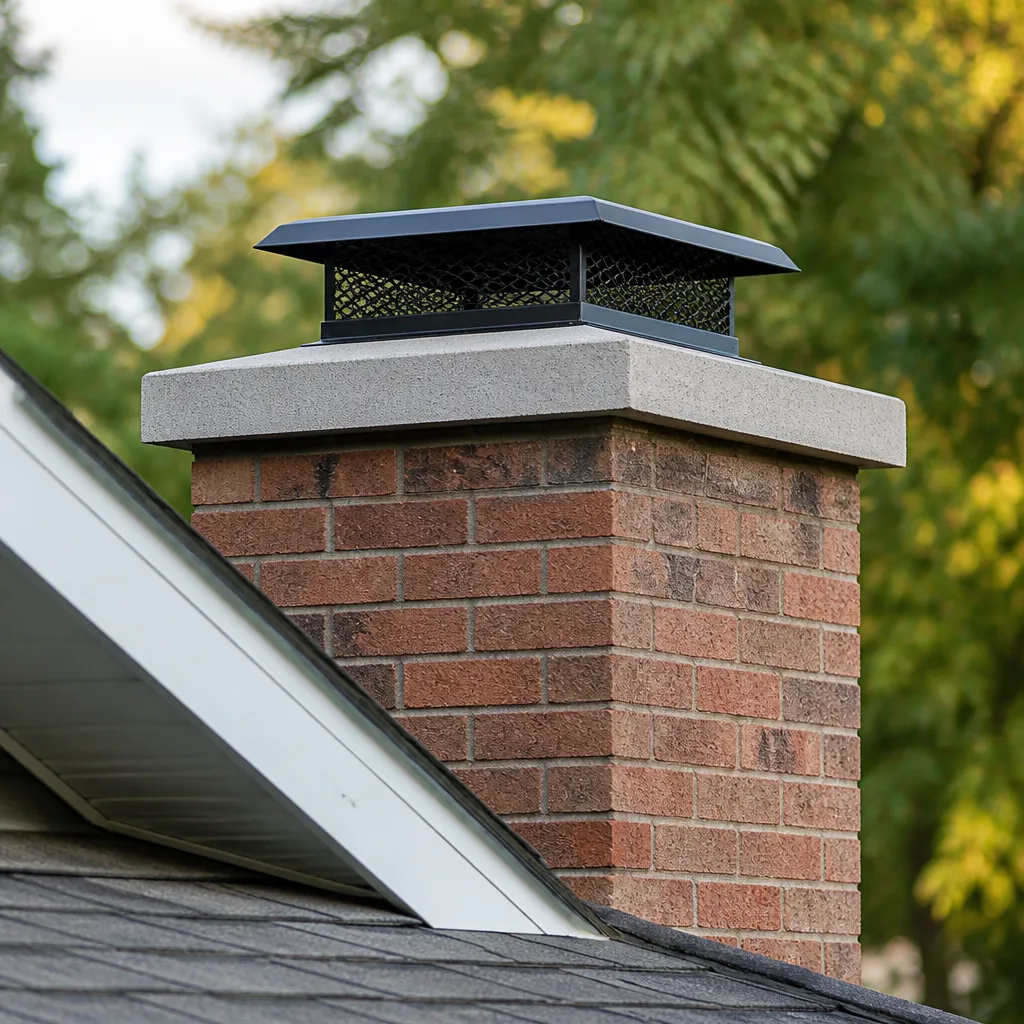 Caps & crowns
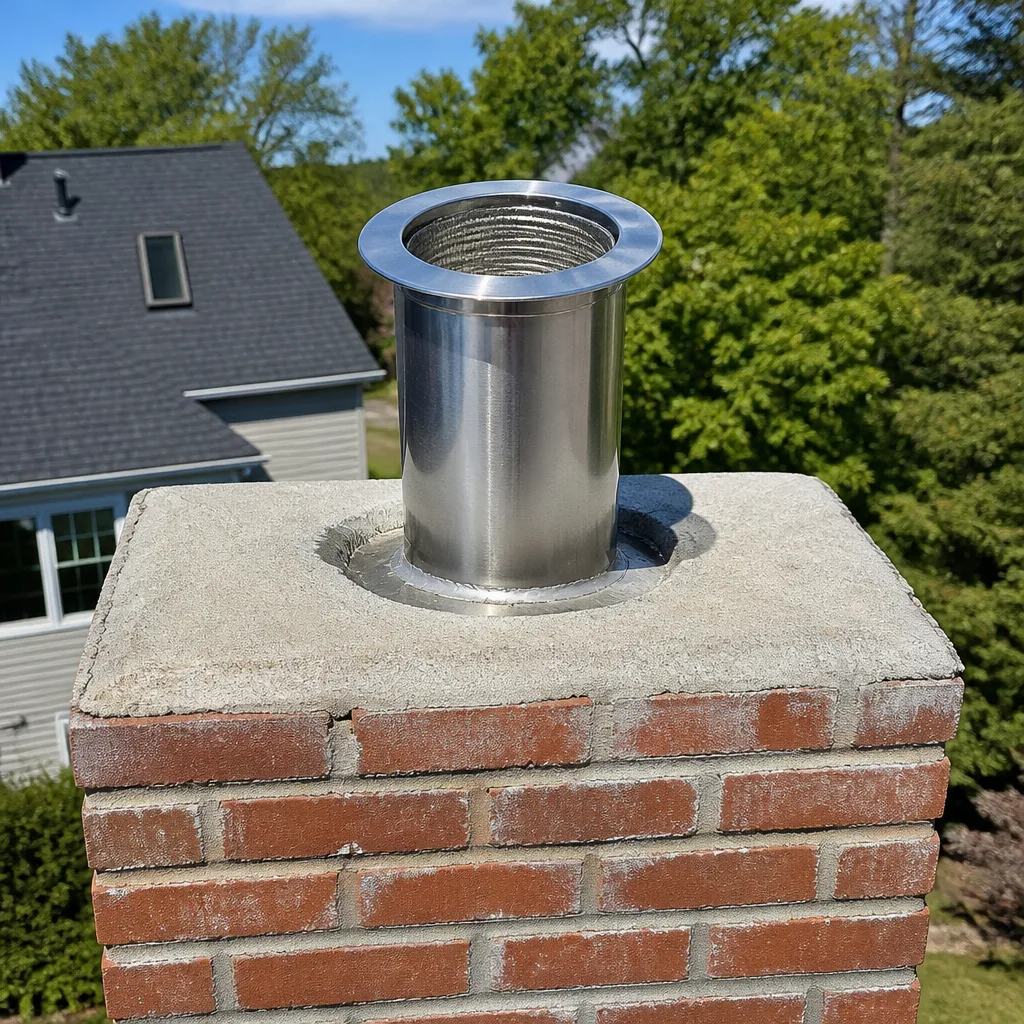 Flue relining
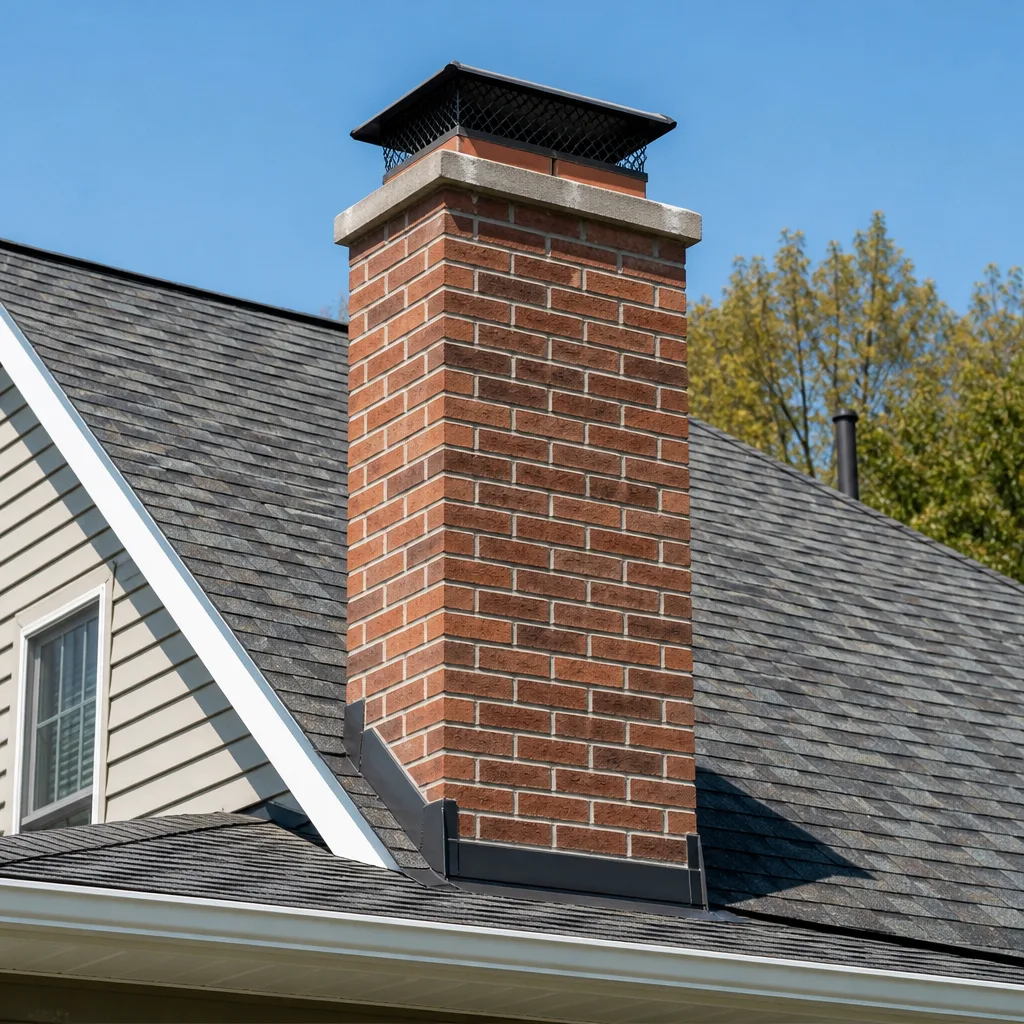 Masonry repair
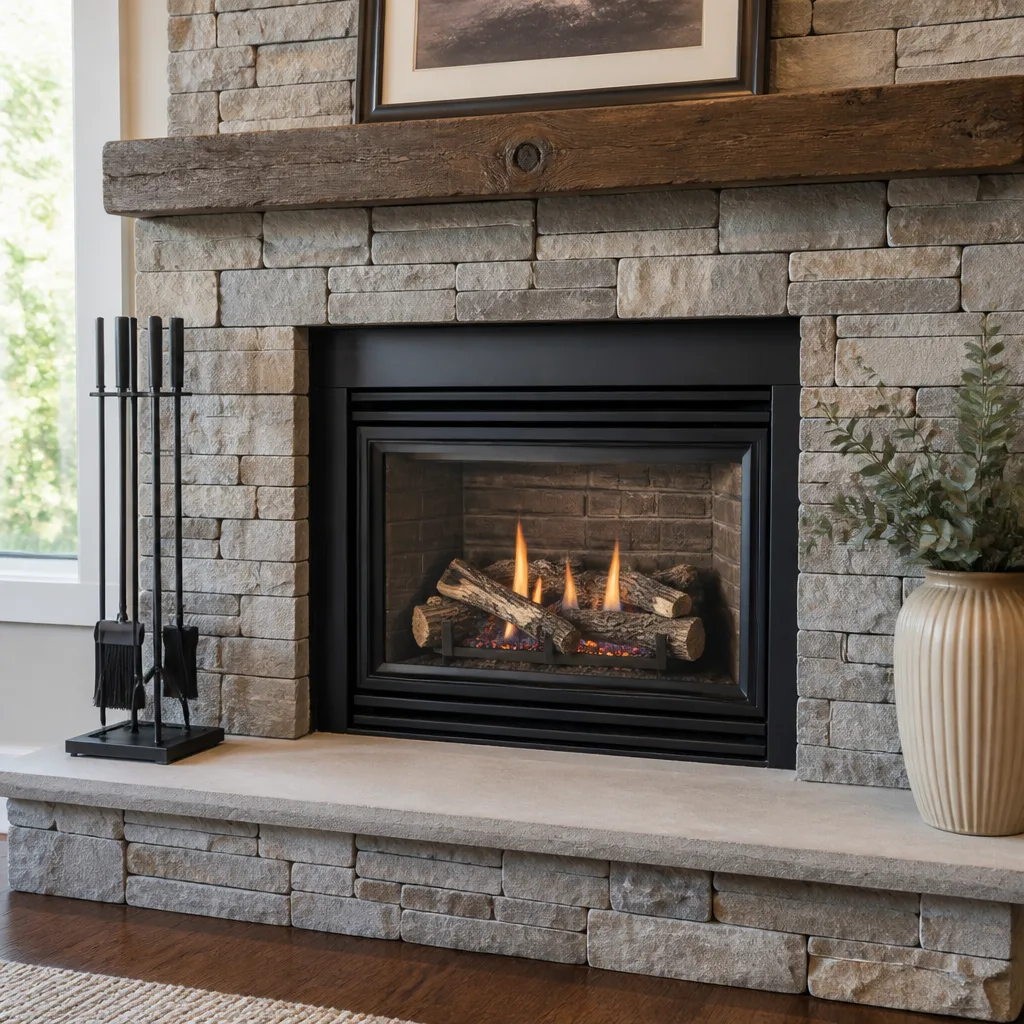 Gas fireplace service
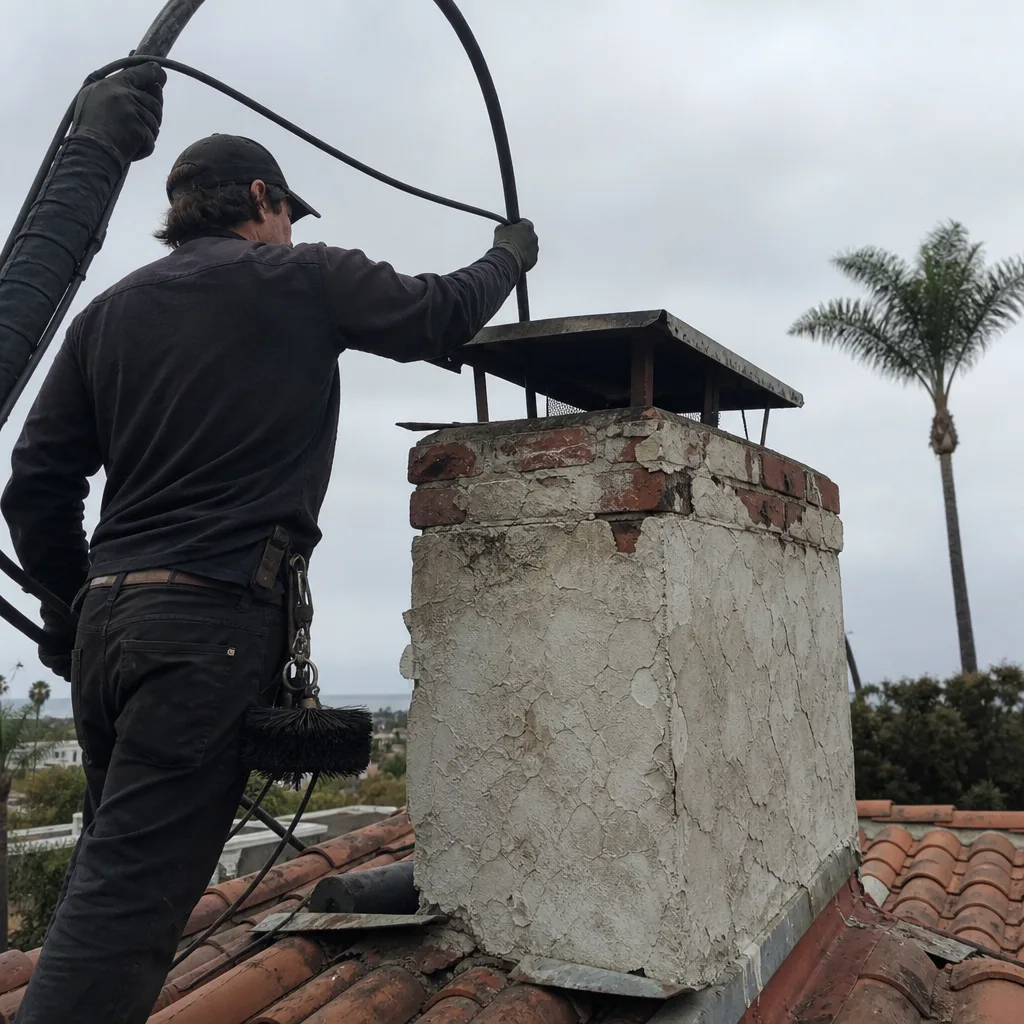
Level 1 sweep and inspection to the NFPA 211 annual standard - flue, crown, cap, and flashing checked and photographed
Chimney sweep logs do not sweep chimneys. They loosen some creosote - which then falls where a brush and vacuum still have to collect it.
Choosing the Right Chimney Cleaning Brand: A Buyer’s Guide for La Jolla
Two contractors can install a “stainless steel chimney liner” in your La Jolla home. One uses a 316Ti alloy liner rated for coal and gas. The other uses an unrated single-wall flexible pipe from a wholesale distributor. Both line items on the invoice say the same thing. The difference shows up three to five years later, when the cheaper alloy starts pitting from flue gas condensation that La Jolla’s marine air accelerates. This guide – along with our Complete Chimney Sweep Guide for La Jolla Homeowners – explains what professional-grade chimney materials actually do differently, which brands matter, and how to verify what your contractor quoted is what actually goes into your flue.
Styles & brands we work with
- Sweep & inspection
- Caps & crowns
- Flue relining
- Masonry repair
- Gas fireplace service
Quick Answer
The right chimney cleaning brand isn’t a “cleaning brand” at all. It’s the material brand your contractor specifies when cleaning uncovers repair work. In La Jolla, look for a chimney company that uses professional-trade products like DuraFlex, HeatShield, Olympia Chimney, Famco, and Copperfield components. These are the brands specified by chimney industry standards and the manufacturers that real chimney repair pros buy from, not the commodity parts you’ll find on a hardware store shelf. The right contractor will show you the material spec sheet before ordering, and the invoice will list the exact brand and alloy designation installed.
Table of Contents
- Why Materials Matter More Than Labor in La Jolla
- DuraFlex Liner Systems: What the Alloy Number Actually Means
- HeatShield Cerfractory: What It Repairs and What It Can’t
- Copperfield and Olympia Chimney: Components That Don’t Fail Early
- How to Verify What Was Actually Installed
- Why La Jolla’s Climate Punishes Cheap Chimney Parts
- From Cleaning to Repair: What a Full-Service Sweep Should Catch
- The Dryer Vent Factor: Materials Apply Here Too
- Common Mistakes to Avoid
- When to Call a Professional
- Frequently Asked Questions
- The Bottom Line
Why Materials Matter More Than Labor in La Jolla
A chimney sweep who does excellent work with inferior materials is still installing inferior materials. We’ve watched this happen across La Jolla more times than we care to count. The labor looks fine on day one. The flue looks clean. The cap sits straight. Then the coastal environment goes to work.
La Jolla’s microclimate is unusually aggressive on chimney components. Salt-laden air from the Pacific drifts inland through neighborhoods like Bird Rock, Muirlands, and La Jolla Village. That salt settles on metal components and accelerates oxidation. Cool marine nights followed by warm inland afternoons create thermal cycling that expands and contracts metal flashing, caps, and liner seams. Moisture infiltration is constant, not seasonal. A commodity stainless steel cap from a big-box retailer might last five years in a dry inland climate. In La Jolla, we regularly see those same caps showing rust staining and seam failure within two to three years.
This is why we stock and install from a curated lineup of professional-trade brands: DuraFlex, HeatShield, Gelco, Olympia Chimney, Famco, and Copperfield. These are the same material specifications referenced in chimney industry standards and used by chimney professionals nationwide. They are not sold through home centers, and for good reason. The metallurgy, dimensional tolerances, and gasket materials are specified for the actual conditions inside a flue, not for the lowest possible unit cost on a retail shelf.
The labor matters, of course. A properly trained sweep with a weak material spec still delivers a weak result. But the reverse is also true. You cannot compensate for a thin-walled liner or an under-gauged cap with careful installation. The materials are the ceiling on the outcome. In La Jolla, that ceiling is lower than most homeowners realize until a repair fails early.
DuraFlex Liner Systems: What the Alloy Number Actually Means
When a contractor proposes a stainless steel chimney liner, the first question to ask is not “how much?” It is “which alloy?” Professional-trade liner systems like DuraFlex publish their alloy specifications openly. A 316Ti alloy liner is titanium-stabilized stainless steel designed specifically for flue gas environments. A 304 alloy, which is also stainless steel, is not the same thing, particularly in a gas-burning application.
The chemistry matters. Gas appliances burn cooler than wood. They produce flue gas that condenses more readily inside the flue, and that condensation is mildly acidic. Over time, acidic condensate attacks the grain boundaries of stainless steel. The titanium in 316Ti stabilizes the alloy against exactly this failure mode. DuraFlex liner systems in 316Ti are rated for gas and coal applications where condensation is a known operating condition. A 304 liner, while legitimate stainless, does not carry that same rating profile for all fuel types.
We specify DuraFlex flex liner systems for full relining projects when a flue is deteriorated beyond the point where a resurfacing treatment can correct it. The difference shows up in the warranty language and the manufacturer’s application guide, not just in the metal itself. If your La Jolla home has a gas fireplace or a gas furnace venting through a masonry chimney, the liner alloy question is not academic. Condensation is happening every time the appliance runs, especially during La Jolla’s damp mornings and marine layer months.
Here is how to verify what you are actually getting:
- Ask the contractor to specify the exact product line and alloy. “DuraFlex 316Ti” is a verifiable answer. “Stainless liner” is not.
- Request the manufacturer’s cut sheet for the liner product being quoted. Any contractor using professional-grade materials can produce this document.
- Check the invoice after installation. It should list the brand, product line, alloy designation, diameter, and length installed. If the invoice just says “liner,” ask for the material spec before paying.
- Look for the manufacturer label. DuraFlex liners ship with identification. A reputable installer can show you the label from the materials installed on your job.
This level of verification is normal in professional chimney work. Contractors who bristle at the question are telling you something useful about how they buy materials.
HeatShield Cerfractory: What It Repairs and What It Can’t
Not every deteriorated flue needs a new liner. In some cases, the damage is limited to hairline cracking, spalled clay tile surfaces, or deteriorated mortar joints in the smoke chamber. These are conditions where a full liner replacement would be overkill, but leaving the flue alone is not safe. HeatShield is a Cerfractory flue resurfacing system designed for exactly these situations.
HeatShield resurfacing uses a ceramic material applied to the interior of the flue to seal cracks and restore a smooth, insulated surface. It carries acceptance from the Chimney Safety Institute of America as a recognized repair method for appropriate applications. For La Jolla homeowners with an older masonry chimney showing early-stage deterioration, it represents a less invasive and lower-cost repair path than a full DuraFlex reline. The work is done from the top down and the firebox up, without tearing out the existing masonry.
But HeatShield is not a universal fix. We are direct with La Jolla homeowners about this. HeatShield cannot repair a collapsed flue section. It cannot correct a flue that is improperly sized for the appliance. It cannot replace a liner that has failed structurally, or restore structural integrity to a chimney that has shifted. If the damage has progressed to missing tile sections, a full DuraFlex reline is the appropriate repair. If the chimney has experienced a chimney fire and the flue shows structural compromise, HeatShield is not a substitute for replacement.
The diagnostic step is where quality matters. A contractor who is HeatShield-capable has the training and equipment to determine when the system applies and when it does not. That capability signals genuine material-specific expertise, not a one-size solution. When we inspect a chimney in La Jolla and find hairline cracking with intact clay tile structure, HeatShield is often the right answer. When we find a missing flue tile or a breach between flues, it is not.
Copperfield and Olympia Chimney: Components That Don’t Fail Early
Liners get the attention, but the components that fail first in La Jolla are usually the ones homeowners never think about. Caps, dampers, chase covers, rain pans. These are the parts that sit exposed to salt air, sun, and rain year-round. The difference between a professional-grade component and a big-box substitute is dimensional and metallurgical, and it shows up in how long the part survives.
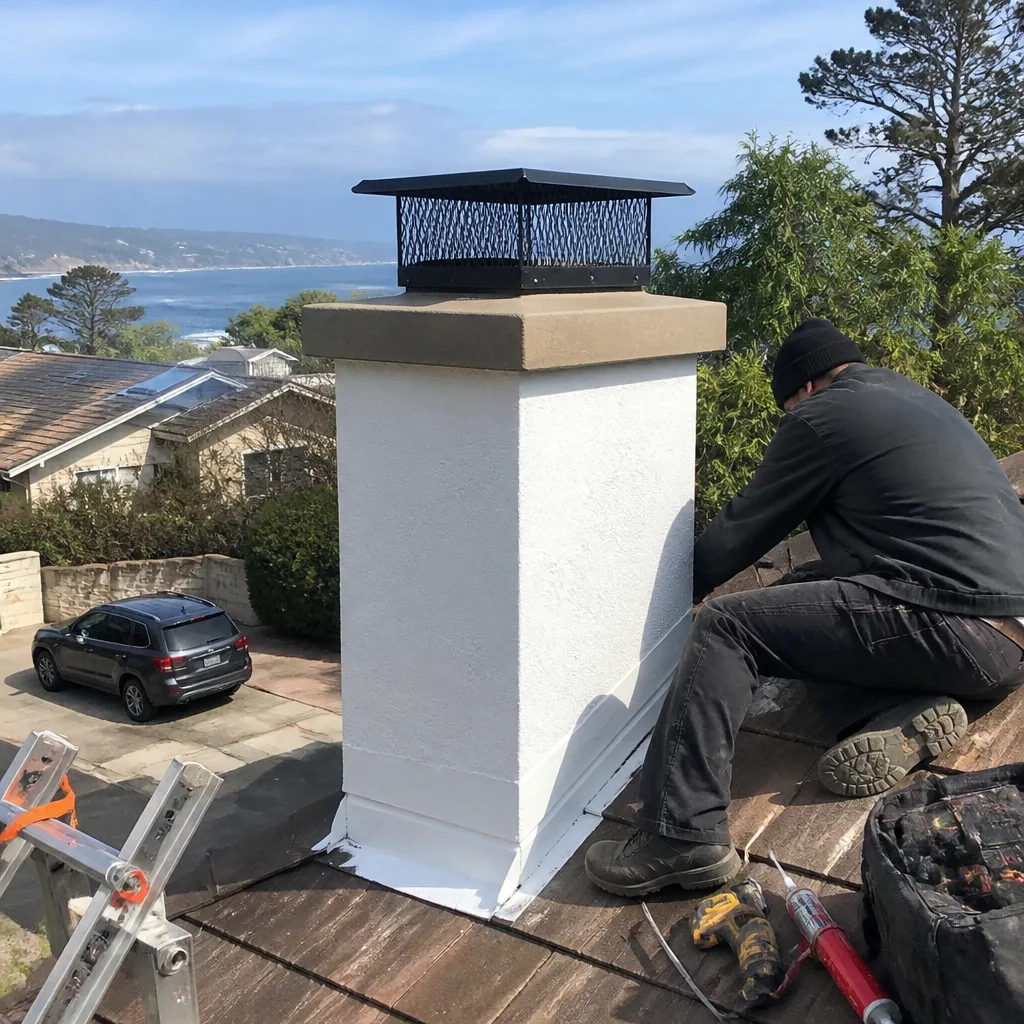
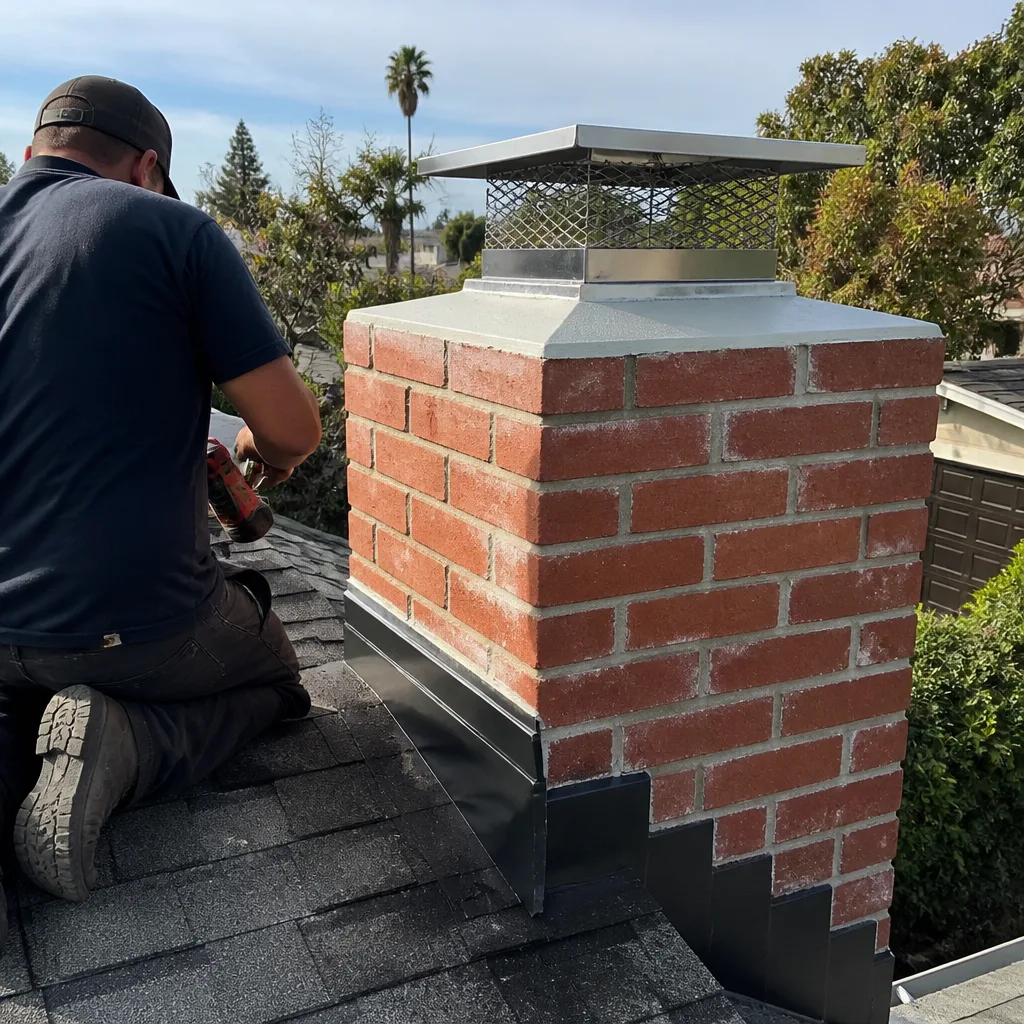
Copperfield Chimney Supply manufactures caps and dampers specified for the chimney trade. The material gauges, the welding, and the gasketing are built for the job. A professional-grade Copperfield cap has a thicker gauge body, welded seams rather than crimped, and hardware that does not rust through in a coastal environment. The dimensional tolerances mean better fit, which means less water gets past the cap and into the flue. That matters in La Jolla, where winter rain driven off the Pacific tests every seam on a chimney.
Olympia Chimney manufactures a broad line of professional-trade components, including caps, dampers, and chase covers. Their products are specified by chimney industry standards and used in new masonry and prefab installations across the country. The specifications are published, and the product labels are verifiable. A contractor using Olympia Chimney components is buying from the same material channel that professional masons and installers use.
The alternative is what we see on failed chimneys around La Jolla all the time. A generic cap from a home center with a crimped seam that opens after two seasons. A damper with a cast frame that rusts shut in the salt air. A chase cover that was fabricated from thin-gauge sheet metal and now leaks around the fastener holes. These are not hypothetical failures. They are the reason we replace hardware-store parts with professional-grade components on a regular basis.
If you are comparing contractors in La Jolla, ask what brand of cap or damper they specify. The answer tells you whether they buy from a professional chimney supply distributor or from the aisle where the hardware is priced to move.
How to Verify What Was Actually Installed
Quoting a brand-name product is not the same as installing it. Most La Jolla homeowners never see the liner or the cap before it goes into the flue, which means verification has to happen through documentation and transparency. A professional contractor makes this easy. A contractor cutting corners makes it difficult.
Here is the verification process we recommend for any chimney repair in La Jolla:
- Ask for the manufacturer cut sheet before work begins. Every professional-grade product has a published specification sheet. Ask for it. If the contractor cannot produce it, that is a signal.
- Request a photo of the materials with labels before installation. We photograph materials on site before they go into a chimney. The manufacturer labels are visible in the photo. This takes ten seconds and eliminates doubt.
- Check the final invoice line items. The invoice should list the specific brand, product line, and size. “DuraFlex 6-inch 316Ti liner, 25 feet” is verifiable. “Chimney liner, installed” is not.
- Ask about warranty documentation. Professional-grade manufacturers provide warranty language. Ask what the manufacturer warranty is for the specific product installed, and who handles a warranty claim if something fails.
- Look at the leftover materials. Ask to see what was cut off or what packaging remains. A reputable contractor will have material remnants or packaging that shows exactly what was installed.
A La Jolla homeowner who does these five things will not be misled by a material substitution. The contractors who do honest work will welcome the questions, because the answers are already true. The contractors who do not will deflect or become vague. That is the point of asking.
Why La Jolla’s Climate Punishes Cheap Chimney Parts
La Jolla sits on a narrow coastal shelf where the Pacific moderates temperature but accelerates every failure mode that involves moisture and metal. We deal with the consequences of this environment daily. It is not marketing language. It is metallurgy.
Salt air is the most obvious factor. La Jolla’s prevailing onshore winds carry fine salt particles inland for miles. That salt deposits on exposed metal surfaces and remains there, periodically dissolved by fog and dew into a saline solution that accelerates oxidation. Stainless steel, which is supposed to resist corrosion, does resist it, up to a point. That point depends on the alloy and the gauge. Professional-grade stainless from DuraFlex or Olympia Chimney is formulated and gauged for decades of coastal exposure. Thin commodity stainless is not.
Thermal cycling is the second factor. La Jolla nights are cool, often in the 50s even in summer. Daytime temperatures climb into the 70s and 80s inland, while the coast stays cooler. A chimney exposed to these daily cycles expands and contracts continuously. Metal components with welded seams hold up. Crimped or riveted seams eventually open. Masonry develops hairline cracks that widen with each cycle. This is why a chimney in La Jolla shows moisture intrusion damage faster than the same chimney in a desert climate.
Moisture infiltration is the third and most damaging factor. La Jolla’s rainfall is modest, but the humidity is high, and the marine layer is persistent. Water gets into a chimney through a failing cap, a cracked crown, or a deteriorated liner, and it stays there. Wet flue tile, wet smoke chamber mortar, wet firebox brick. The freeze-thaw cycle that destroys chimneys back east is not the issue here. The issue is continuous moisture exposure that never dries out. It corrodes metal components, deteriorates mortar, and creates the conditions that make chimney repairs more extensive and more costly than they would have been with proper materials and early intervention.
This is the core argument for material quality in La Jolla chimney work. The climate is not optional. Your chimney sits in salt air and marine fog for decades. The materials either handle that environment or they do not. The brand on the spec sheet is the single best predictor of which outcome you get.
From Cleaning to Repair: What a Full-Service Sweep Should Catch
Cleaning is step one. We stay to handle what cleaning uncovers. That is the difference between a sweep-only company and a full-service chimney and venting specialist, and in La Jolla it matters more than homeowners expect.
A sweep that only cleans will find issues and refer you elsewhere. A full-service sweep finds issues and handles them. The material brands enter the picture at the moment the cleaning reveals what is actually happening inside the chimney. A cracked flue tile discovered during a routine sweep in a Muirlands home becomes a HeatShield decision or a DuraFlex decision. A rusted damper in a La Jolla Village townhome becomes an Olympia Chimney component replacement. A missing rain cap on a Bird Rock beach house becomes a Copperfield cap installation. The homeowner does not get handed off to a second contractor. The diagnosis and the repair happen in one sequence, with one accountable party.
Our material lineup reflects that full-scope approach. We stock and install from six professional-grade chimney supply brands: DuraFlex, HeatShield, Gelco, Olympia Chimney, Famco, and Copperfield. We also provide dryer vent cleaning alongside chimney services, because both exhaust systems carry fire risk and both benefit from the same inspection-driven approach. The goal is not to find problems. The goal is to know the true condition of every exhaust path in the home, and to correct what needs correcting with the right material for the repair, not just what is on the truck.
For La Jolla homeowners, this means a single service call can cover the fireplace in the living room, the aging liner behind it, and the dryer vent in the laundry room. The material standard applies across all of it.
The Dryer Vent Factor: Materials Apply Here Too
Your dryer vent is a fire hazard too. We handle both, and the material question applies to this system every bit as much as it applies to the chimney.
A dryer vent in a La Jolla home often runs a long distance from the dryer to an exterior wall. Laundry rooms are frequently placed in the interior of the home, particularly in older La Jolla neighborhoods where floor plans were designed before dryer venting was a standard consideration. The result is a long vent run with multiple elbows, and every elbow is a place where lint accumulates. That accumulation is combustible. The U.S. Fire Administration and the National Fire Protection Association both cite dryer lint as a documented cause of residential fires each year.
The material quality of the vent system determines how readily that accumulation happens and how easily it can be cleaned. Rigid metal ducting with smooth interior walls resists lint buildup. Flexible foil or plastic ducting collects lint aggressively and is not code-compliant for concealed locations in most jurisdictions. Professional dryer vent cleaning, performed with the same camera-inspection standard we apply to chimneys, shows the homeowner exactly what is inside the vent run. You can see it with your own eyes.
For a comprehensive look at what this service involves, see our detailed guide to Dryer Vent Cleaning in La Jolla. The short version is this: cleaning a dryer vent properly requires removal of the accumulated lint from the entire run, not just the accessible section behind the dryer, and verification with a camera afterward. A homeowner who skips this step because it seems optional is leaving a known fire risk in place.
Common Mistakes to Avoid
- Comparing quotes without comparing material specs. A $400 difference between two La Jolla chimney quotes often represents a 316Ti liner versus an unrated 304 substitute. Ask for the cut sheet before you compare prices. The cheaper quote is meaningless if the material will fail in five years.
- Accepting “stainless steel” as a complete answer. Stainless steel means a family of alloys with very different corrosion and heat characteristics. Demand the exact alloy grade. In a coastal environment like La Jolla, this is not pedantry. It is the difference between a liner that lasts decades and one that pits in three years.
- Trusting a sweep-only company to assess chimney damage. A sweep who cannot repair what they find has an incentive to either minimize the finding or exaggerate it for a referral. A full-service company sees the same condition and knows what the repair actually requires, because they do that work themselves.
- Ignoring the smoke chamber. Many homeowners focus on the flue and overlook the smoke chamber, where mortar joints deteriorate over time. HeatShield resurfacing can address smoke chamber deterioration in many La Jolla chimneys, but only if someone actually looks at it.
- Replacing a cap with whatever fits from the home center. We see this constantly in La Jolla. The hardware store cap fits the tile, more or less, and it rusts within two years. A professional-grade Copperfield or Olympia Chimney cap is specified for the chimney’s dimensions and the coastal environment.
- Deferring dryer vent cleaning because the chimney was just done. Different system, same fire-risk principle. A clean chimney does nothing for a lint-packed dryer vent. Both exhaust paths should be inspected and cleaned on their own schedules.
- Paying without verifying the invoice. If the invoice does not list the specific brand and product installed, you have not verified anything. Hold the final payment until the line items match the quote. A contractor who resists itemization is telling you how they do business.
When to Call a Professional
Call a chimney professional when you see evidence of water intrusion: staining on the ceiling near the chimney, efflorescence on the brick, or rust on the damper or firebox. Call when you smell a musty odor coming from the fireplace during La Jolla’s humid summer months. Call when you have not had the chimney inspected in over a year and you use the fireplace regularly. Call when you notice the dryer taking longer to dry clothes than it used to, or when you cannot remember the last time the dryer vent was cleaned. These are all signals that something has changed, and the change is almost always a material failure in progress.
Chimney Sweep La Jolla offers free estimates in La Jolla. Call (833) 952-1418 to schedule an inspection. We’ll tell you exactly what we found and show you.
Frequently Asked Questions
Ask for the manufacturer cut sheet for every product being specified, and verify the invoice line items after installation match what was quoted. Professional-grade brands like DuraFlex, HeatShield, Olympia Chimney, and Copperfield all publish specification documents. A contractor using these products can produce the documentation without hesitation. A contractor using commodity substitutes will not be able to.
The difference is the titanium stabilization in 316Ti, which protects the alloy against intergranular corrosion from acidic flue gas condensate. This matters most in gas-burning applications, where condensation is continuous and the flue environment is more chemically aggressive. In La Jolla’s damp marine climate, the condensation factor is amplified. A 304 liner may be adequate for some wood-burning applications, but it is not the appropriate specification for all fuels. For a full breakdown of how we approach liner selection, see our guide to Chimney Sweep in La Jolla.
No. HeatShield Cerfractory resurfacing is appropriate for hairline cracks, spalled clay tile surfaces, and deteriorated smoke chamber mortar where the structural integrity of the flue is intact. It cannot repair a collapsed flue section, a flue that is improperly sized, or a liner that has failed structurally. Those conditions require a full reline, typically with a DuraFlex liner system. The only way to know which repair your La Jolla chimney needs is a camera inspection. Call (833) 952-1418 to schedule one.
Annually, for any chimney that is in regular use. The National Fire Protection Association recommends annual inspection at minimum, with cleaning performed when creosote accumulation reaches 1/8 inch or more. In La Jolla, the marine environment adds another layer of concern: moisture intrusion through caps, crowns, and flashings, which should be checked every year regardless of how often you burn. If you use the fireplace daily during the cooler months, a mid-season check is not unreasonable.
Yes. The lint trap catches only the lint that makes it that far. A significant portion bypasses the trap and enters the vent run, accumulating at elbows, at sagging sections, and at the termination. In La Jolla homes with long or convoluted vent runs, this accumulation can become substantial within a single year. Lint is the fuel for dryer fires, and a clogged vent also makes the dryer work harder, which shortens the life of the appliance. For details on the cleaning process and what we find, read our guide to Dryer Vent Cleaning in La Jolla.
Chimney Sweep La Jolla provides free estimates. Call (833) 952-1418 to schedule an inspection, and you’ll get a clear picture of the chimney’s condition along with an itemized quote for any recommended work. No charge for the estimate, no obligation to proceed.
The material specifications are different. Professional-grade components use thicker gauges, better alloys, welded construction, and materials formulated for the actual conditions inside a flue. A Copperfield cap or Olympia Chimney damper is built to survive coastal exposure and thermal cycling. A commodity part is built to hit a retail price point. In La Jolla, the cheap part almost always fails early, and the replacement labor cost exceeds the original material savings.
The Bottom Line
The right chimney cleaning brand is the material brand your contractor uses when cleaning turns into repair. In La Jolla, that means professional-trade products: DuraFlex for liner systems, HeatShield for flue restoration, Copperfield and Olympia Chimney for caps and components that survive the salt air. These are not interchangeable with commodity hardware. Verify the specification before work begins, verify the invoice after work is done, and hold the contractor to the standard they quoted. If you want an inspection that shows you exactly what is inside your chimney, call (833) 952-1418. We’ll tell you what we found and show you.
For more about how we work, visit our Chimney Sweep La Jolla home page, or see our full Chimney Repair in La Jolla service guide.
Written by the team at Chimney Sweep La Jolla, serving La Jolla since 2015.
See the difference
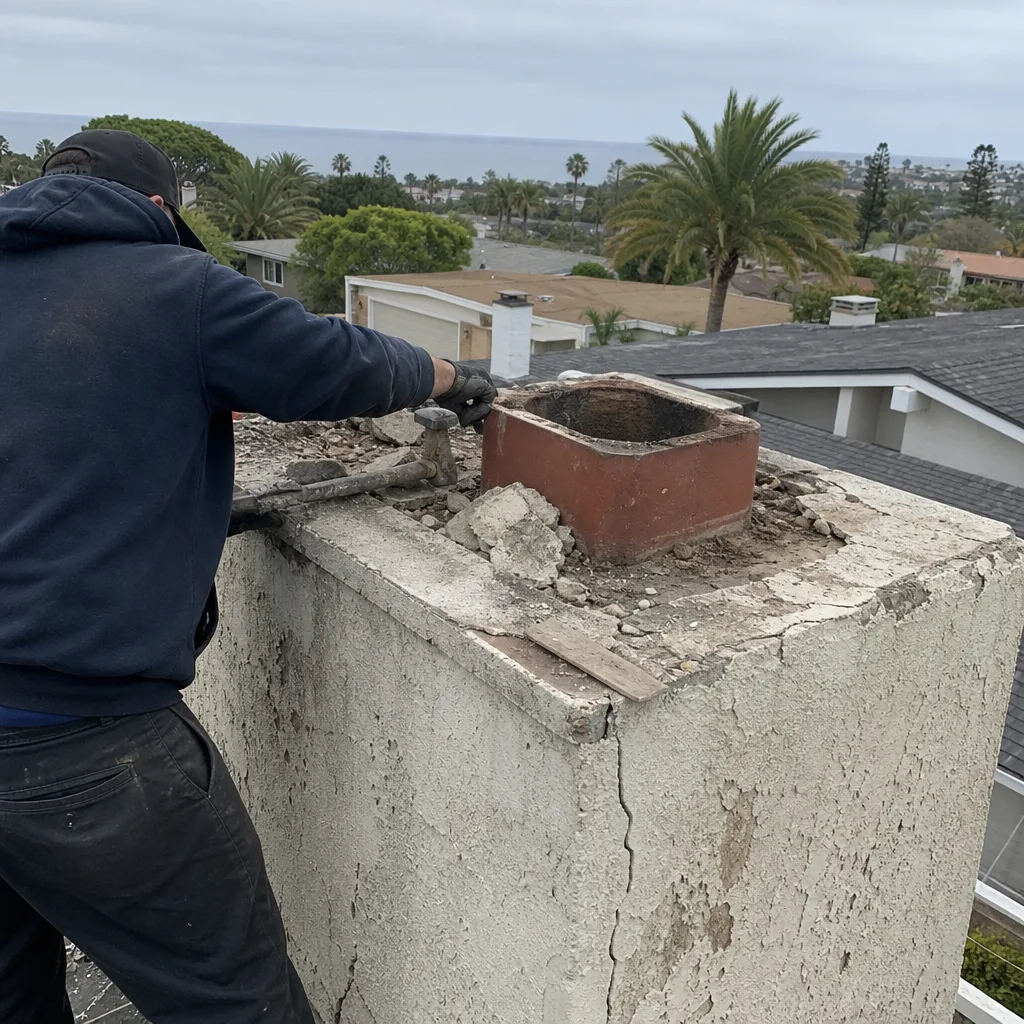 Before
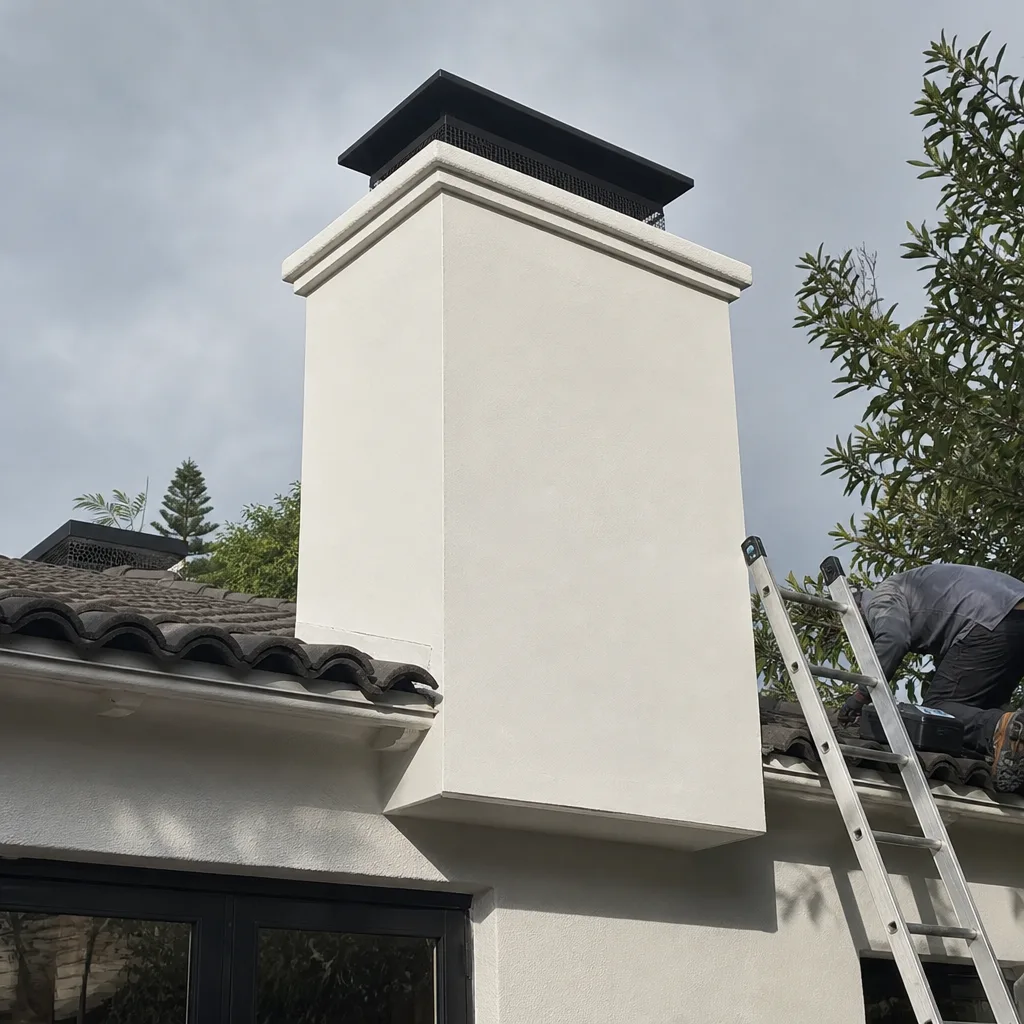 After
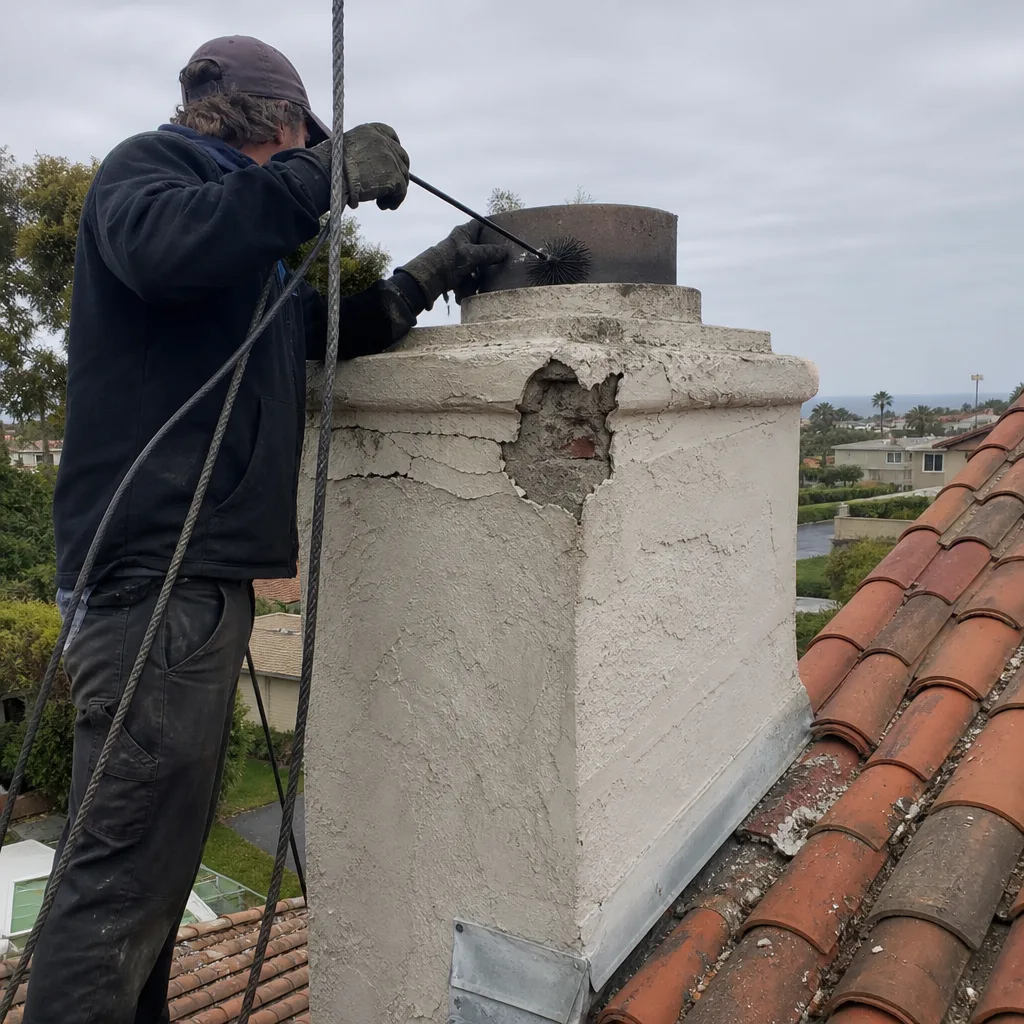 Before
 After
 Before
 After