
Last updated November 2, 2026
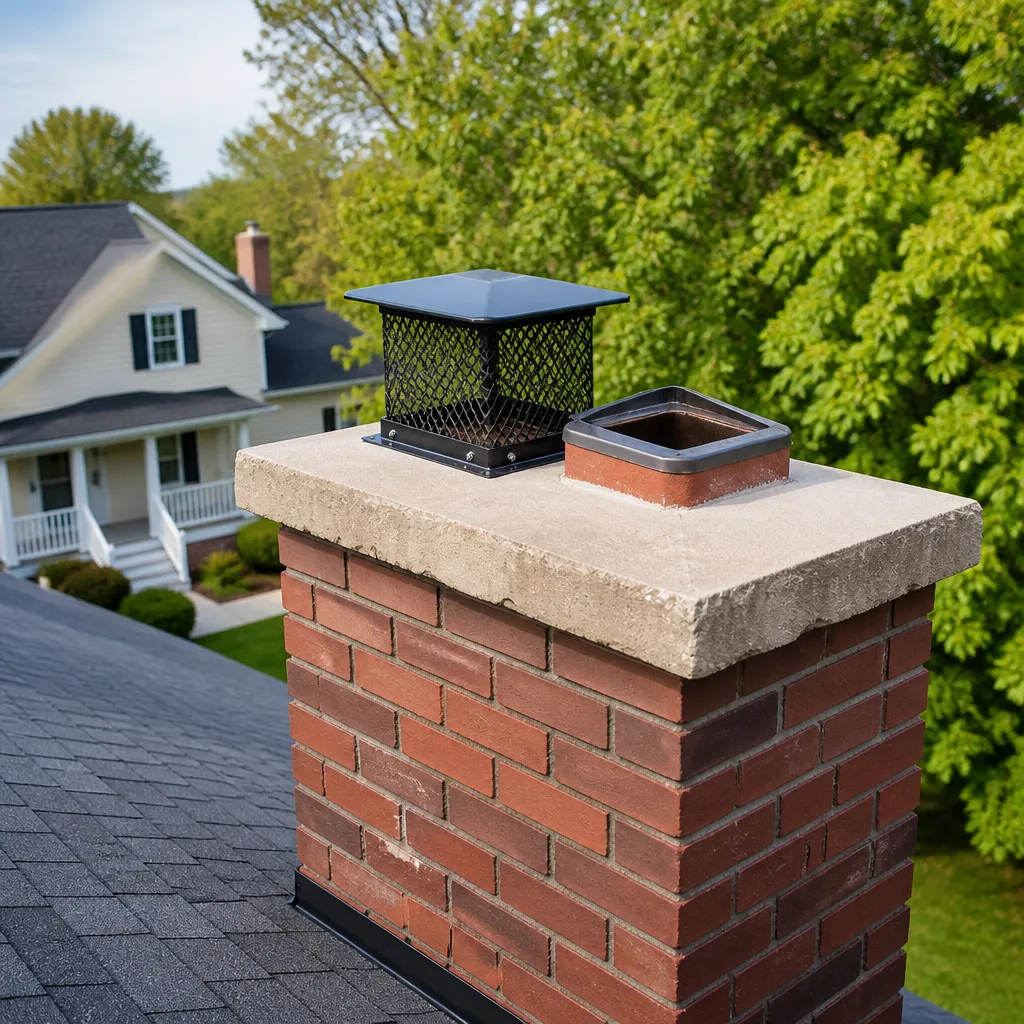 Sweep & inspection
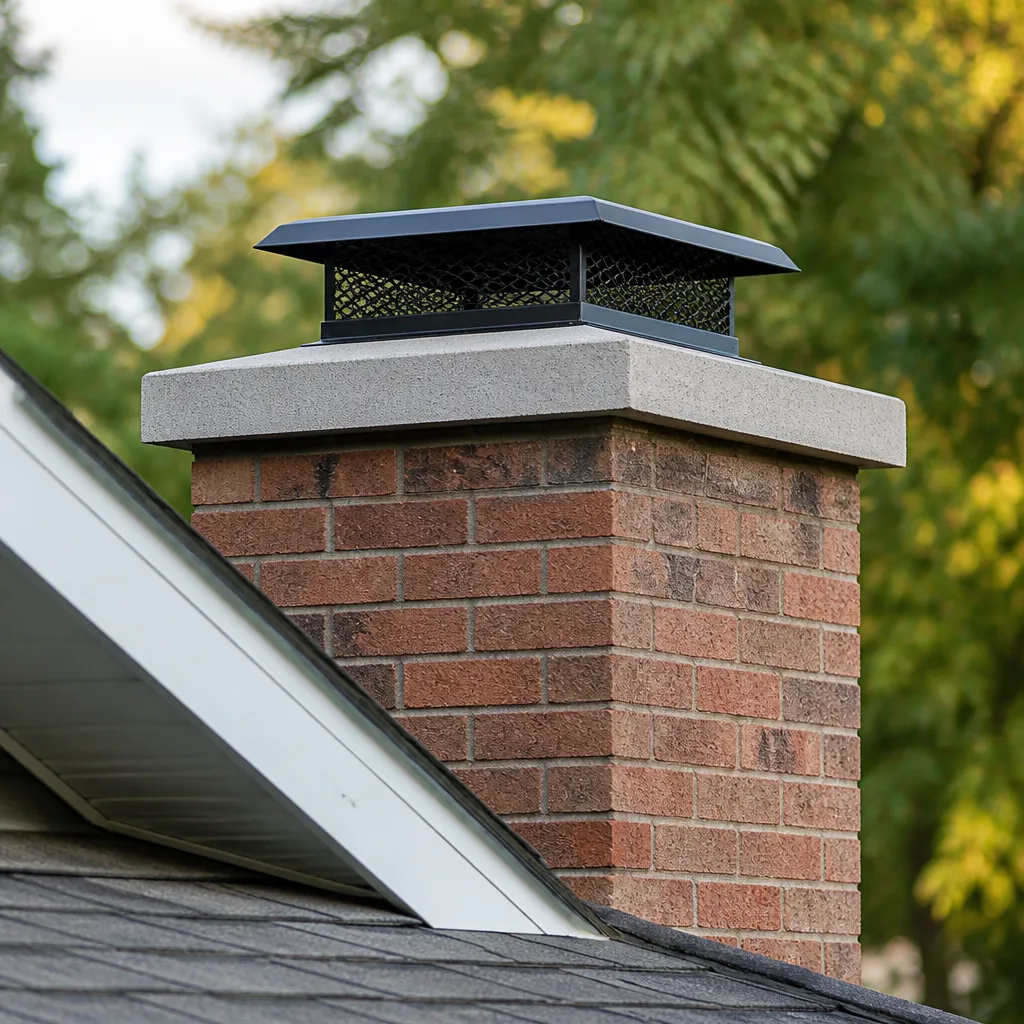 Caps & crowns
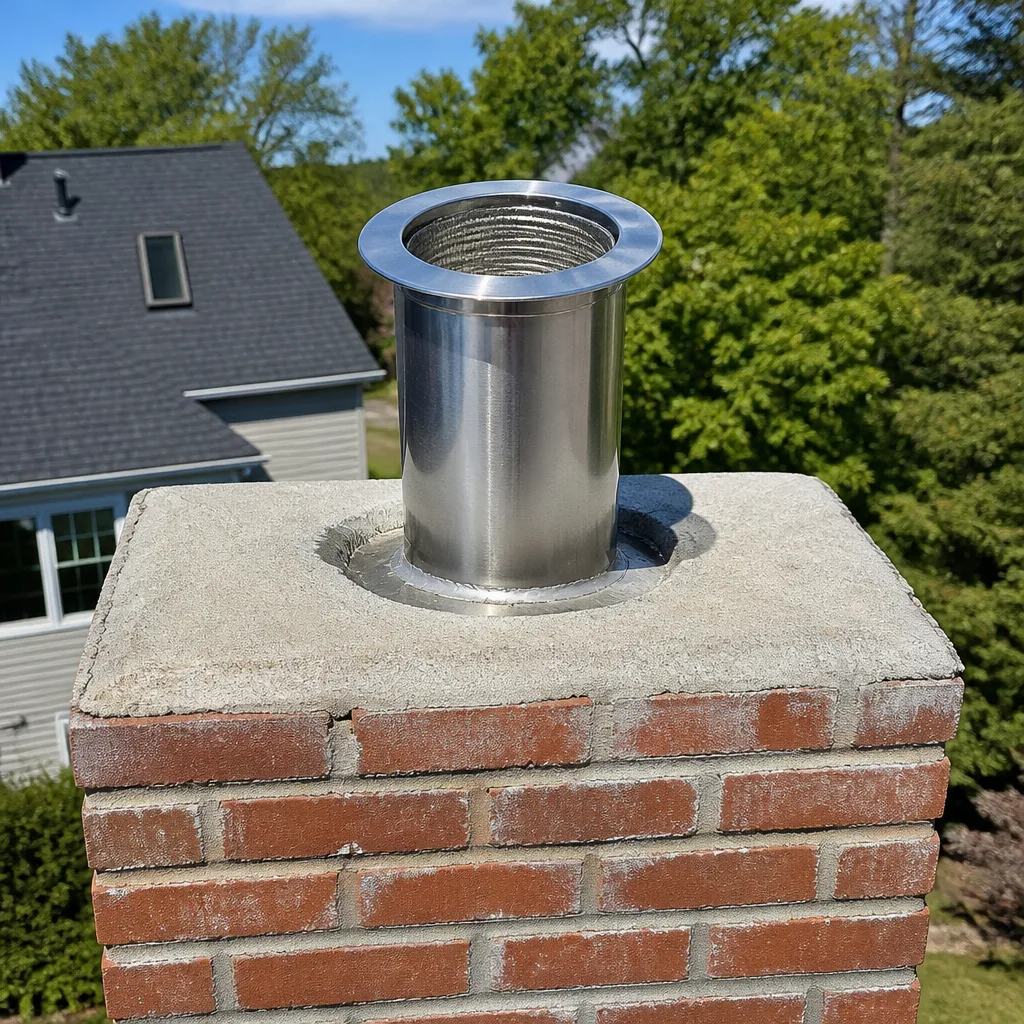 Flue relining
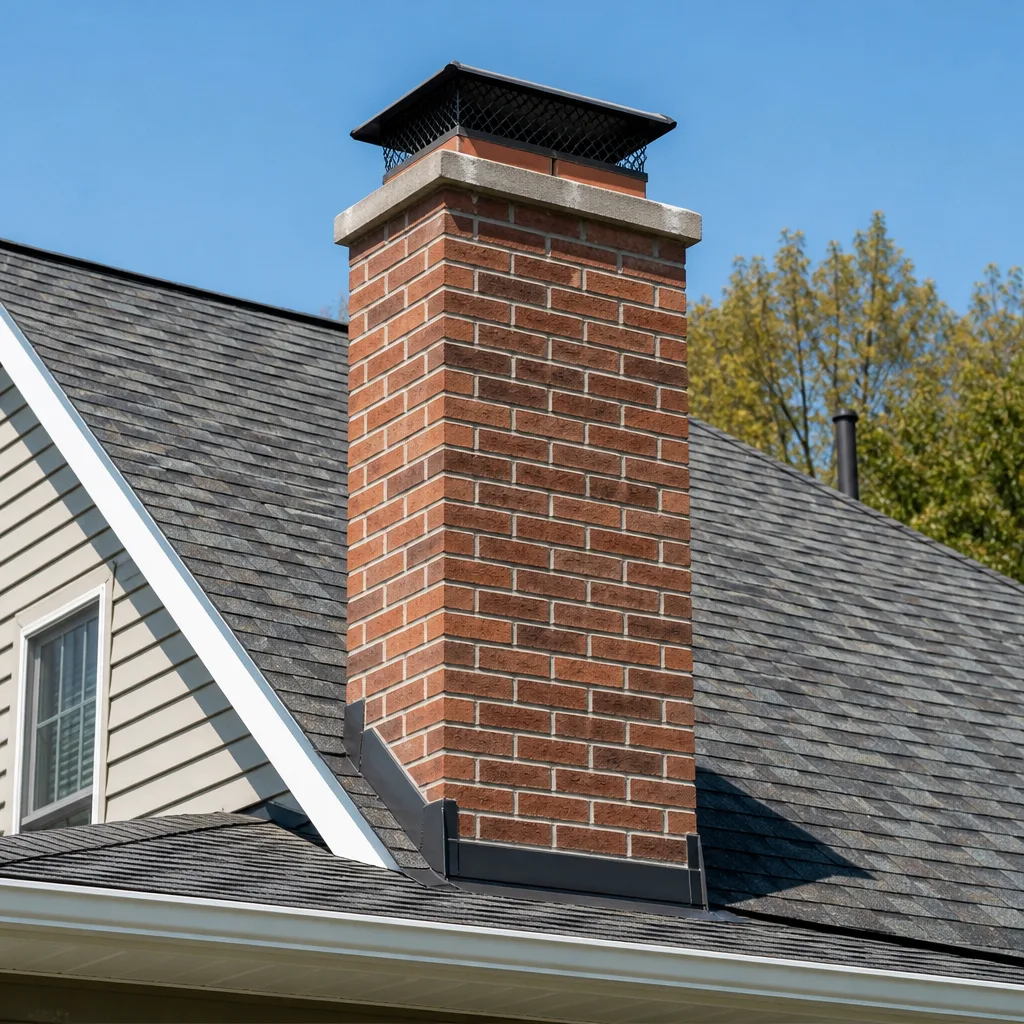 Masonry repair
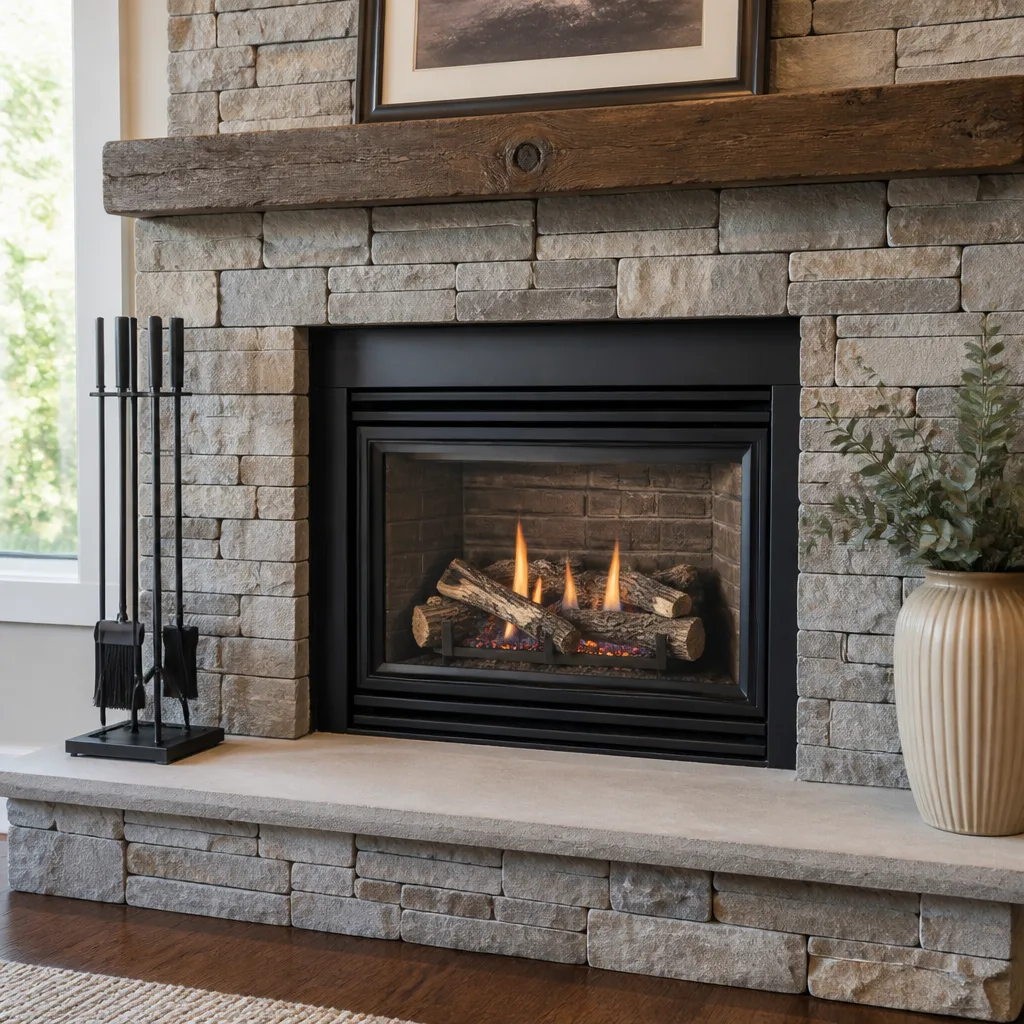 Gas fireplace service
Level 1 sweep and inspection to the NFPA 211 annual standard - flue, crown, cap, and flashing checked and photographed
Chimney sweep logs do not sweep chimneys. They loosen some creosote - which then falls where a brush and vacuum still have to collect it.
Chimney Sweep Troubleshooting: Common Problems and How to Fix Them
Smoke rolling back into your living room is almost never a “dirty chimney” problem. It’s usually a draft problem, and cleaning the flue won’t fix it. In La Jolla, where coastal temperature inversions and Santa Ana winds create pressure conditions most homeowners never consider, chimney symptoms get misdiagnosed constantly. Our Complete Chimney Sweep Guide for La Jolla Homeowners maps each symptom you’re likely to see – smoke rollback, sulfur odors, animal smells, excessive creosote, draft loss – to its actual mechanical or structural cause. By the time you finish reading, you’ll know whether you’re looking at a weather event, a firebox issue, a liner failure, or something at the cap, and you’ll know what a legitimate repair recommendation looks like on a camera report.
Styles & brands we work with
- Sweep & inspection
- Caps & crowns
- Flue relining
- Masonry repair
- Gas fireplace service
Quick Answer
Most chimney problems fall into four categories: draft failure (smoke backing into the room), odor intrusion (sulfur, animal, or musty smells), creosote accumulation (fire risk), and structural deterioration (liner, crown, or masonry failure). Each has a distinct cause and a distinct fix. Smoke rollback is usually caused by negative air pressure in the house, not a dirty flue. Sulfur odors point to venting geometry problems with a gas appliance. Animal smells mean an uncapped or damaged cap. Excessive creosote means combustion conditions are wrong – not just that you need more frequent sweeping.
Table of Contents
- Smoke Backing Into the Room: Why It Happens and What Actually Fixes It
- Sulfur Odors From a Gas Fireplace: Venting Geometry, Not the Gas
- Animal Smells and Debris: What the Cap Is (and Isn’t) Doing
- Excessive Creosote Buildup: Why Sweeping More Isn’t the Answer
- Draft Loss on Startup and Mid-Burn: Cold Flue, Stack Effect, and Pressure
- Where Is the Problem? Firebox vs. Smoke Chamber vs. Liner vs. Cap
- San Diego Coastal Weather and Chimney Draft: Inversions and Santa Anas
- Reading a Camera Inspection Report: What a Liner Problem Actually Looks Like
- Common Mistakes to Avoid
- When to Call a Professional
- Frequently Asked Questions
- The Bottom Line
Smoke Backing Into the Room: Why It Happens and What Actually Fixes It
When smoke spills into the room instead of going up the flue, most homeowners assume the chimney is clogged. In our experience in La Jolla, that’s the cause maybe one time in ten. The actual culprit is usually one of three things.
The house is under negative pressure. Kitchen exhaust fans, bathroom fans, and – more than anything in La Jolla – whole-house fans or attic fans pull air out of the home faster than it can be replaced. When the house interior is at lower pressure than the outside air, the chimney reverses. It becomes an intake, pulling air down the flue and pushing smoke out of the fireplace opening. This is especially common in newer La Jolla homes built tight for energy efficiency. You can test this: crack a window near the fireplace before lighting. If the smoke stops rolling back, you’ve found your pressure problem, not a chimney problem.
The flue is cold. A cold flue won’t draft. On a chilly La Jolla morning – yes, we get them – the air inside the chimney sits heavy and still. You light the fire, the smoke hits that cold plug of air, and it has nowhere to go but back into the room. The fix is priming the flue: roll a newspaper into a torch, hold it up inside the firebox opening for 30 to 60 seconds before lighting the kindling. That warms the air column enough to establish upward draft. This works on masonry chimneys and most wood stoves.
The flue is genuinely restricted. This is where cleaning matters. A bird’s nest, a collapsed liner section, or a heavy creosote glaze can narrow the flue passage enough that combustion gases can’t move. But here’s the distinction that matters: if a cleaning doesn’t fix it, the restriction is structural – a damaged liner, a partial collapse in the smoke chamber, or debris sitting above the damper. A Chimney Sweep in La Jolla can distinguish between a dirty flue and a damaged one with a camera inspection. The cleaning and the camera scan happen in the same visit, so you’re not guessing.
Sulfur Odors From a Gas Fireplace: Venting Geometry, Not the Gas
A sulfur or rotten-egg smell coming from a gas fireplace sends most homeowners straight to the gas company. That’s the right first call, because natural gas utilities add mercaptan – a sulfur compound – specifically so you’ll smell a leak. But if the gas company checks the line and finds nothing, don’t stop investigating.
What you may actually be dealing with is a venting geometry problem. Gas fireplaces – especially direct-vent units installed in the last 15 years – use a coaxial vent: combustion air comes in through the outer pipe, exhaust goes out through the inner pipe. If that vent was installed with insufficient clearance from windows, overhangs, or adjacent walls, exhaust gets pulled right back into the intake. You smell combustion byproducts, which include sulfur compounds. The odor comes and goes with wind direction, which is exactly what makes it confusing.
In La Jolla, we see another layer: coastal air is dense and moist, and sulfur compounds in exhaust can linger near the vent outlet instead of dispersing. Homes on canyon rims or built into hillsides get wind eddies that push exhaust back toward the structure. If you smell sulfur only at certain times of day or only when the wind blows from a certain direction, that’s a clue you’re dealing with venting, not leaking gas.
This is also the scenario where material quality matters, as covered in our guide to Choosing the Right Chimney Cleaning Brand: A Buyer’s Guide for La Jolla. A correctly specified venting component – something from a professional-trade line like Olympia Chimney or Famco – is designed for the clearances and thermal conditions residential gas appliances actually produce. Hardware-store vent parts often aren’t. The fix might be as simple as extending the vent termination or repositioning the cap. The diagnosis requires experience, not a wrench.
Animal Smells and Debris: What the Cap Is (and Isn’t) Doing
Animal smells in a chimney mean something living or dead is inside the flue – or has been using it as an entry point to somewhere else in the house. In La Jolla, the usual suspects are birds, squirrels, and rats. Each causes a distinct set of problems.
Birds build nests in the flue itself, usually perched on the smoke shelf just above the damper. A nest is not just a smell problem; it’s a blockage. We’ve pulled out nests that reduced a flue opening by 80 percent. The bird got in through a missing or damaged cap – and if the cap is gone, rain, marine-layer moisture, and debris are getting in too.
Squirrels rarely nest inside the flue itself. They prefer the chase – the cavity around the flue liner. But they often enter through the chimney structure, and once they’re in the chase, they’ll chew wiring, insulation, and sometimes the flue liner itself. If you hear scratching between the walls, near the chimney, the entry point is often the chimney crown or a damaged chase cover.
The fix is straightforward but structured:
- Remove the animal or nest (this may require professional removal; never light a fire to smoke out an animal – you’ll likely kill it and fill your house with smoke).
- Camera-scan the flue to see what the animal damaged on its way in or out.
- Repair the damage – liner, crown, damper, or masonry – before it becomes a water intrusion or draft problem.
- Install a properly fitted cap with the right mesh size. A Famco cap or an Olympia Chimney termination is manufactured to spec for your flue dimensions. The mesh needs to be fine enough to keep out squirrels and rats, but open enough to not restrict draft.
If the cap was there and animals still got in, the cap is the wrong size, the wrong type, or it was installed incorrectly. That’s not a cleaning issue. That’s a repair issue.
Excessive Creosote Buildup: Why Sweeping More Isn’t the Answer
Creosote is a combustion byproduct – condensed smoke residue that accumulates on flue walls. It’s the primary fuel for chimney fires, so keeping it under control matters. But here’s what most homeowners don’t get told: excessive creosote is a symptom of a combustion problem, not a cleaning deficiency.
What causes creosote to build up faster than it should:
- Burning unseasoned wood. Wet wood burns cool. Cool combustion produces excessive smoke. More smoke means more creosote. In La Jolla’s damp coastal winter, firewood stored outside without cover absorbs moisture from marine layer condensation. Wood needs to season – typically 6 to 12 months – under cover, with air circulation.
- An oversized flue. If your fireplace was built for a bigger unit, or the liner was replaced with the wrong diameter, the flue is too large for the appliance. Gases cool too quickly as they rise, and creosote condenses on the walls before the exhaust escapes. This is a venting geometry problem – and it’s why “just sweep it more often” doesn’t address the root cause.
- Restricted airflow. A damper that doesn’t open fully, a cap with mesh that’s clogged, or a smoke chamber with dimensional problems all slow the draft. Slower draft means gases spend more time in the flue, which means more condensation.
- Glazed creosote. Once creosote reaches the glazed, tar-like stage, it’s not coming off with a brush. It requires mechanical removal with rotary tools or chemical treatment. A standard sweep won’t touch it. If a previous sweep didn’t flag this, the cleaning was incomplete.
The professional response starts with a camera scan to see what kind of creosote you actually have, then addresses combustion conditions: damper operation, flue sizing, wood moisture, and any airflow restrictions. We see this pattern in La Jolla all the time – homes that get swept annually but still have glazed creosote because the underlying combustion problem was never diagnosed. The cleaning is step one. Diagnosing why it got dirty that fast is what prevents a chimney fire.
Draft Loss on Startup and Mid-Burn: Cold Flue, Stack Effect, and Pressure
Draft is the upward movement of air through your chimney. It’s not magic – it’s physics. Hot gases rise, but only when the pressure conditions allow it. When draft fails, smoke doesn’t rise. Understanding the three ways draft fails will save you from chasing wrong fixes.
Cold-start draft failure. A cold flue column resists upward movement. The smoke hits the cold plug and stalls. The fix – priming the flue – takes 60 seconds. But if you’ve primed and the smoke still backs up, you’re dealing with pressure, not temperature.
Stack effect failure. The stack effect is the tendency of warm air in a house to rise. In a two-story La Jolla home with a stairwell open to the second floor, that rising air creates positive pressure upstairs and negative pressure downstairs. If the chimney serves a fireplace on the lower floor, that negative pressure fights the chimney’s upward draft – and the house often wins. The fix may involve a fresh-air intake near the fireplace, a makeup air system, or – in cases we’ve seen – simply keeping the stairwell door closed while burning. This is not a chimney problem; it’s a house pressure problem. A good chimney company will tell you that instead of selling you a new liner.
Mid-burn draft collapse. The fire burns fine for 20 minutes, then smoke starts rolling in. What changed? Most likely, a bathroom fan or kitchen hood got turned on. Or someone closed the only window that was providing makeup air. Mid-burn draft failure is almost always a pressure event, not a flue problem. Track what else in the house was running when the smoke started. The pattern will tell you more than any equipment.
Where Is the Problem? Firebox vs. Smoke Chamber vs. Liner vs. Cap
Chimney problems all look the same from the living room: smoke, smell, or debris. But the repair location changes everything about cost and approach. Here’s how we diagnose by zone.
The firebox. This is where the fire burns. Cracks in firebrick, failing mortar joints, or a rusted-out damper are firebox problems. Repair means masonry work, damper replacement, or both. Firebox problems rarely cause smoke rollback on their own – but they do create fire safety and carbon monoxide entry points into wall cavities.
The smoke chamber. The area between the damper and the flue liner. In older La Jolla homes, smoke chambers were built with stepped brick and shallow mortar – rough, uneven surfaces that collect creosote and break up the smooth gas flow. Smoke chamber problems cause turbulent draft and accelerated creosote accumulation. The fix involves parging (smoothing) the chamber walls, sometimes with a product like Gelco smoke chamber sealant, which is specified for exactly this application.
The flue liner. The liner channels exhaust up through the chimney. If the liner is cracked, spalled, or separated, two things happen: exhaust gases – including carbon monoxide – can leak into wall cavities, and the draft weakens because the flue passage is compromised. Liner problems don’t fix themselves, and they don’t get better with cleaning. The repair paths are relining with a DuraFlex stainless flex system or restoring the existing flue with HeatShield ceramic resurfacing when conditions allow. The material choice depends on what the camera shows, not on what a contractor feels like selling.
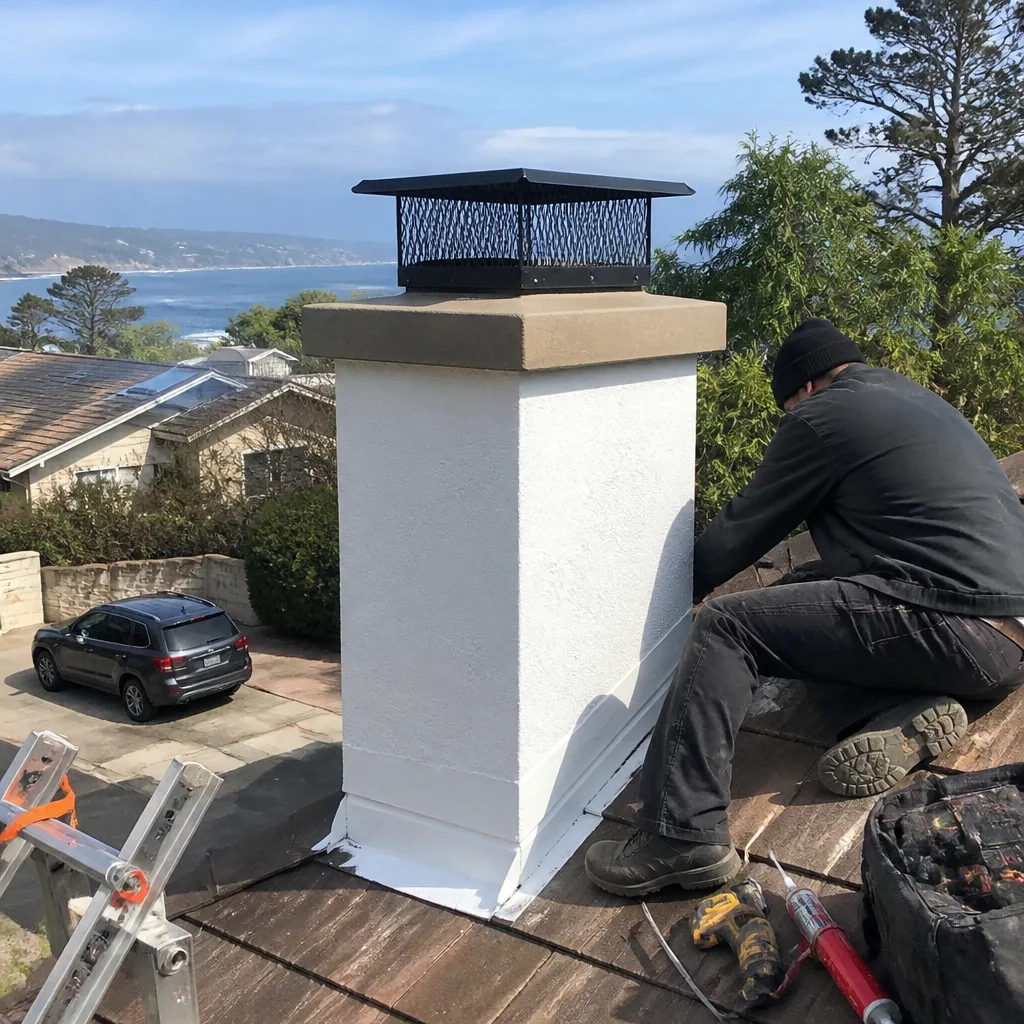
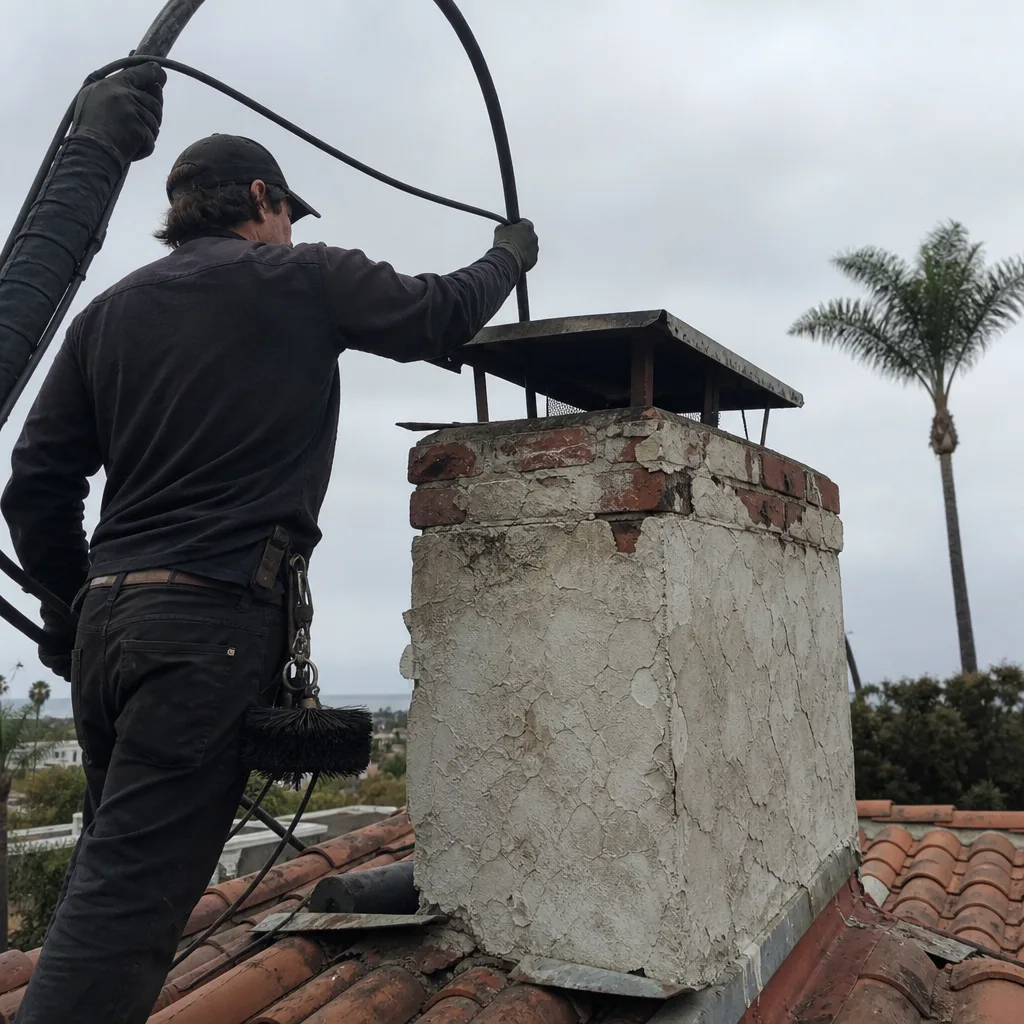
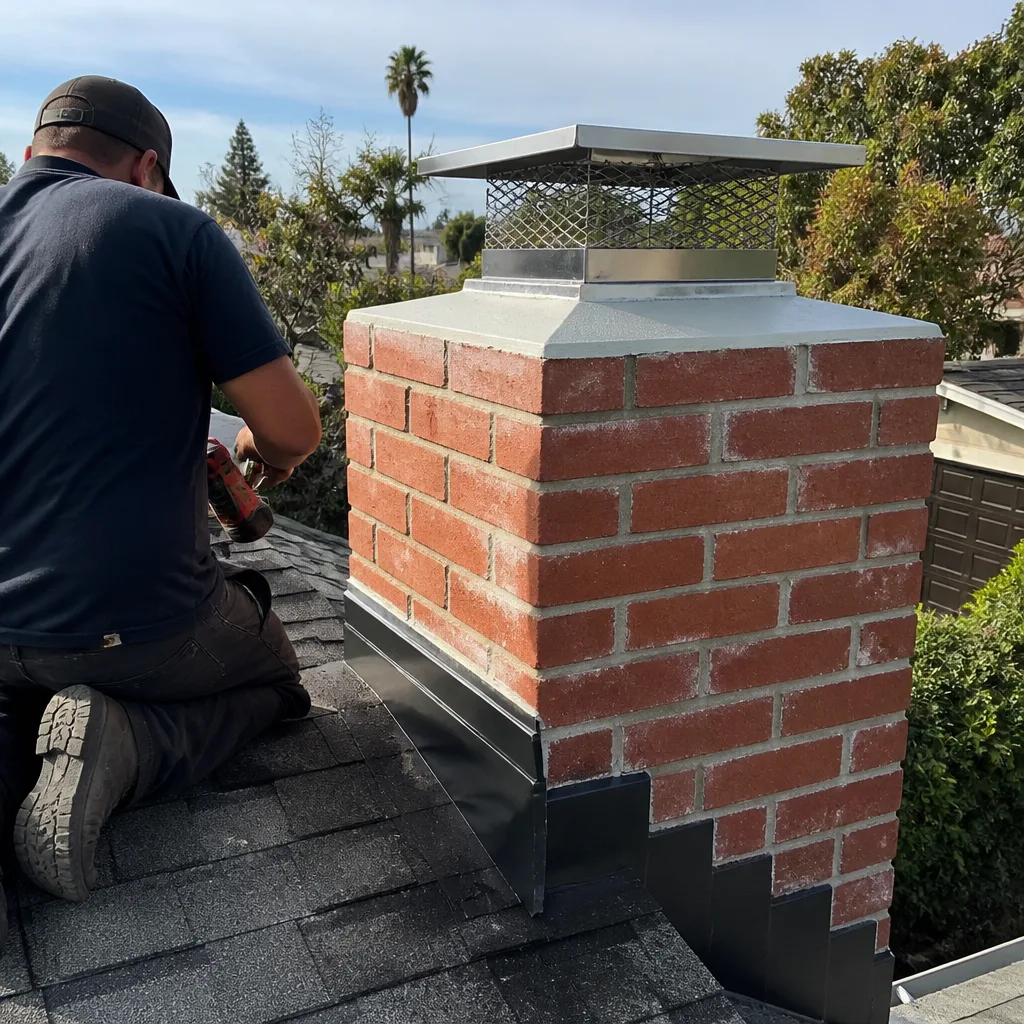
The cap and crown. The cap sits on top of the flue; the crown is the concrete surface at the chimney top. A missing or undersized cap lets in rain, animals, and debris. A cracked crown lets water penetrate the masonry structure, which leads to freeze-thaw damage even in mild La Jolla winters. Cap and crown problems are the most common entry point for every other problem on this page – and the cheapest to fix early.
San Diego Coastal Weather and Chimney Draft: Inversions and Santa Anas
La Jolla’s weather creates two distinct chimney phenomena that inland technicians rarely see, and they produce symptoms that look like mechanical failures but aren’t.
Coastal temperature inversion. On many mornings, especially in late spring and early summer, La Jolla sits under a marine layer. The air near the ground is cool and dense. A few hundred feet up, the air is warmer. That’s an inversion – the opposite of normal atmospheric conditions. For a chimney, it means the upward draft force is weaker than the cold, dense air pressing down. A fire that drafts perfectly on a warm afternoon may refuse to draft on a foggy morning. That’s not a chimney problem. But if an inspector tells you it’s fine and the weather clears and the problem persists, then you look deeper.
Santa Ana wind events. When the Santa Anas blow – typically October through February – the air comes from the desert: hot, dry, and often strong. A strong wind over a chimney top can do two things. It can create a venturi effect that pulls draft up faster than normal (usually harmless, sometimes too fast). Or, depending on roof geometry and surrounding structures, it can push air down the flue. Homes on exposed ridges in La Jolla Heights or Mount Soledad get this worse than sheltered canyon homes. A temporary draft reversal during a Santa Ana event is weather, not pathology. The way to tell the difference: note when it happens. Only during wind events? Weather. Random times with no wind? Structural or pressure issue inside the house.
Reading a Camera Inspection Report: What a Liner Problem Actually Looks Like
We tell every La Jolla homeowner the same thing: we’ll tell you exactly what we found – and show you. A camera inspection produces a video record of the flue interior. But most homeowners don’t know what they’re looking at. Here’s a plain-English field guide.
What you want to see: smooth, continuous liner walls. For a clay tile liner, you want tight mortar joints between tiles with no offset. For a metal liner, you want a continuous run with no gaps, creases, or punctures. Light creosote dust – like a fine powder – is normal after a season of burning and brushes off easily.
What indicates a real problem:
- Offset tiles. Clay tile liners can shift over time. An offset tile creates a ledge where creosote collects and where exhaust turbulence begins. A one-sixteenth-inch offset is minor. A half-inch offset is a draft and safety problem.
- Spalling. The liner surface flakes off in pieces. This is progressive deterioration – it doesn’t stop on its own. Spalling indicates moisture intrusion, often from a failed crown or a missing cap.
- Separated joints. Between tiles, or between liner sections. When you see daylight or a clearly open joint on the camera, that’s an exhaust leakage path.
- Glazed creosote deposits. A shiny, tar-like coating that’s thick enough to look like black glass. A brush won’t remove it. It’s a fire hazard and requires mechanical removal or chemical treatment.
- Punctures or creases in a metal liner. Usually from an animal, a prior cleaning with the wrong tools, or an improper installation. Any puncture is a carbon monoxide leakage point.
When the camera shows smooth, intact liner surfaces but you still have odor or draft problems, the issue is elsewhere – the cap, the smoke chamber, the damper, or house pressure. A contractor who jumps straight to “you need a new liner” without addressing those other zones is skipping the diagnostic step. A HeatShield resurfacing may be the right fix for degree-two creosote glazing and minor spalling; a DuraFlex stainless reline is right for full structural failure or flue resizing. Both are legitimate paths. The camera decides which one. We’re happy to walk you through the video frame by frame. That’s the standard, at least at Chimney Sweep La Jolla home.
Common Mistakes to Avoid
- Assuming smoke rollback means the chimney is dirty. Nine times out of ten, it’s a pressure or draft problem. Cleaning won’t fix it, and you’ve spent money on the wrong service.
- Installing a cap without checking the crown. A new cap on a cracked crown is like a new roof on rotten decking. The water still gets in, just around the edges.
- Burning unseasoned wood because “the fire still works.” It doesn’t work – it’s producing excess creosote with every load. In La Jolla’s damp coastal air, buy wood early, store it covered, and give it a full season.
- Ignoring sulfur smells after the gas company clears a leak. A venting geometry problem won’t show up on a gas line test. It shows up as an odor that comes and goes with wind direction.
- Using hardware-store vent parts on a gas fireplace. The clearances and materials are not the same as professional-trade specification. This is how houses in La Jolla end up with exhaust recirculation that no one can explain.
- Accepting a “needs a liner” verdict without seeing the camera footage. You have a right to see what they saw. If a contractor won’t show you the video, that’s a red flag.
- Running a whole-house fan while burning. This guarantees negative pressure and smoke rollback. In La Jolla homes with attic fans, this is one of the most common causes of smoke complaints we diagnose.
When to Call a Professional
Call a professional when: smoke rollback happens even with a window cracked open; you smell sulfur but the gas company found no leak; you hear or see evidence of animals in the chimney; a camera inspection shows spalling, offset tiles, or glazed creosote; water enters the firebox during rain; or creosote buildup keeps returning despite regular sweeping. These are structural, mechanical, or venting geometry problems. They don’t resolve with a brush. Chimney Repair in La Jolla covers the full diagnosis-and-repair path in one appointment. Chimney Sweep La Jolla offers free estimates in La Jolla – call (833) 952-1418.
Frequently Asked Questions
A standard Chimney Sweep in La Jolla typically costs between $180 and $340, depending on flue condition, creosote type, and whether the chimney serves a fireplace or a wood stove. Prices rise when glazed creosote requires rotary mechanical removal or when a camera inspection reveals damage beyond cleaning. For an exact quote based on your chimney, call (833) 952-1418 – estimates are free.
Smoke entering the room usually means the chimney draft is failing, which is caused by cold flue air, negative house pressure, or a physical restriction in the flue. Clean chimneys can still draft poorly. Start by cracking a window near the fireplace; if smoke still backs up, call a chimney professional rather than risking repeated smoke exposure.
Yes, and it needs to be the right size and mesh specification. A chimney cap keeps rain, debris, and animals out of the flue. Without one, you invite nests, water intrusion, and eventually liner damage. In La Jolla’s marine layer climate, moisture control matters year-round, not just during rains.
Chimneys burning wood should be swept at least once per year, and more often when creosote accumulation exceeds one-eighth inch – the threshold the National Fire Protection Association sets for removal. Gas fireplaces still need periodic inspection for venting integrity, even though they produce no creosote. If buildup returns quickly, the combustion conditions need attention, not just another cleaning.
Summer odor usually comes from creosote deposits combined with humid air – a La Jolla summer pattern. When coastal moisture moves down the flue, it reacts with creosote and produces a sharp, acrid smell. The fix is a thorough cleaning of creosote deposits, followed by attention to the cap and damper to limit moist air entry.
HeatShield is a ceramic resurfacing system that repairs minor spalling and seals hairline cracks in an existing flue, avoiding the cost and disruption of full liner replacement. A full reline – typically a DuraFlex stainless system – is needed when the existing liner has failed structurally or the flue size needs to change. The camera inspection determines which path is appropriate. Call (833) 952-1418 to schedule a chimney camera scan in La Jolla.
The Bottom Line
Most chimney problems are solvable – and most are misdiagnosed before they ever reach a specialist. Smoke rollback is usually a pressure problem. Sulfur smells are usually a venting geometry problem. Animal entry is a cap problem. Creosote buildup is a combustion problem. Structural failures show up in every one of these symptoms, which is why the camera inspection is the single most important diagnostic step. A good chimney company in La Jolla will show you the problem, explain which material fixes it, and do the work in one visit. For cleaning, repair, or dryer vent service, call Chimney Sweep La Jolla at (833) 952-1418 – we’ll tell you what we found, and we’ll show you. See our more guides & resources for additional homeowner tips.
Written by the team at Chimney Sweep La Jolla, serving La Jolla since 2015.
See the difference
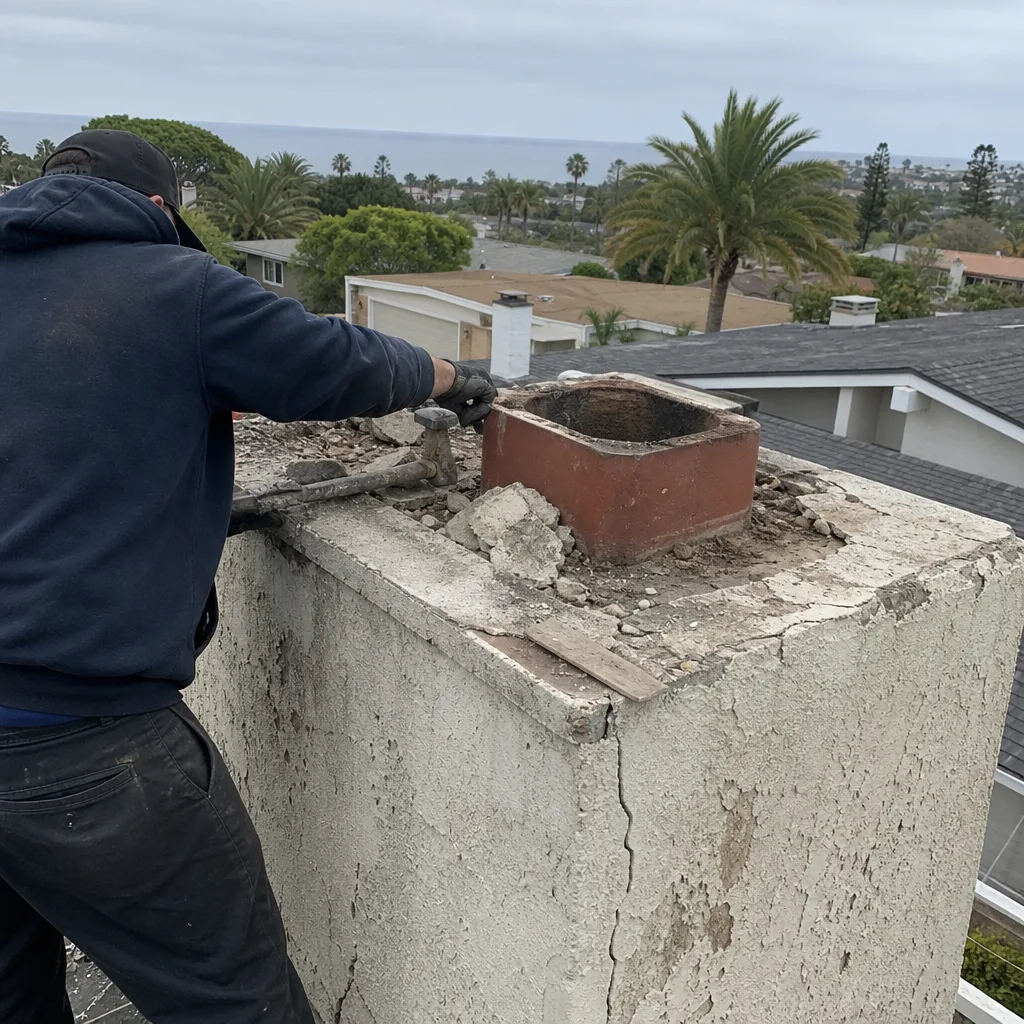 Before
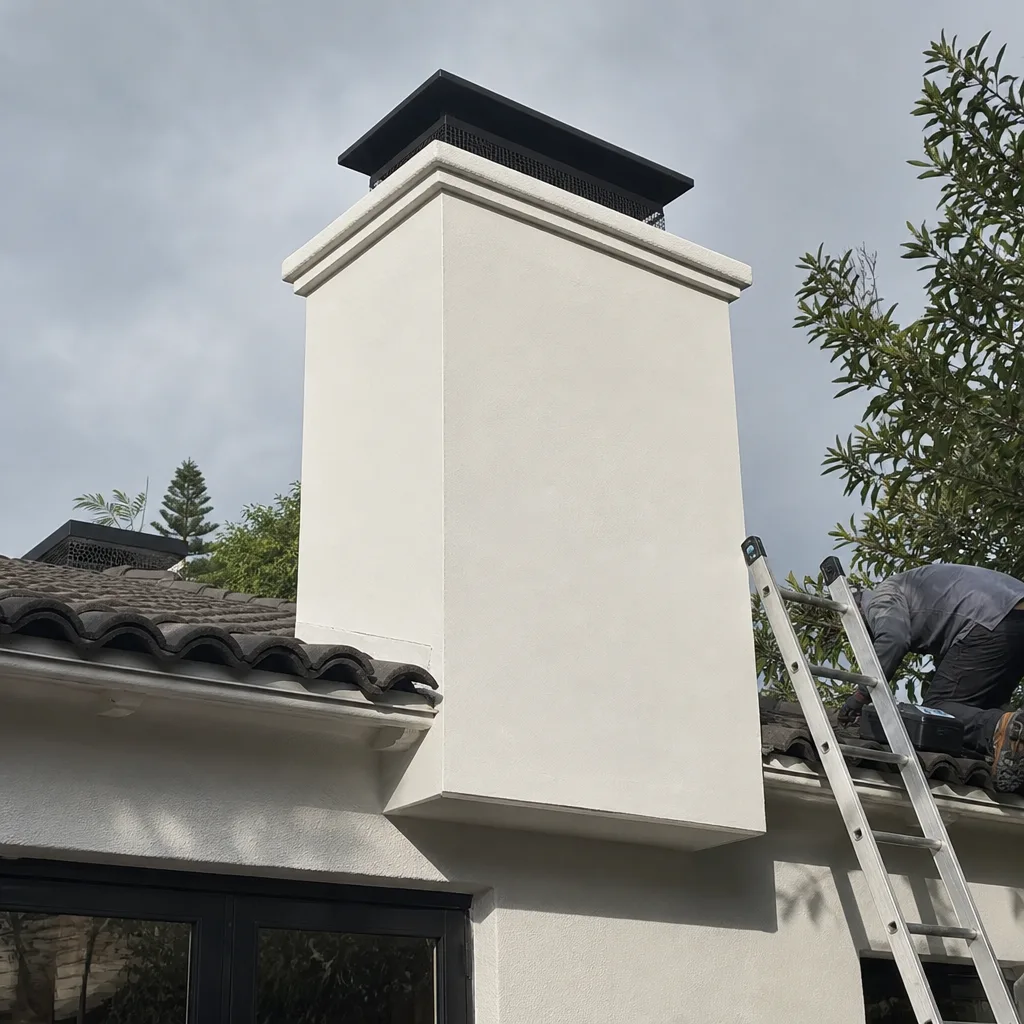 After
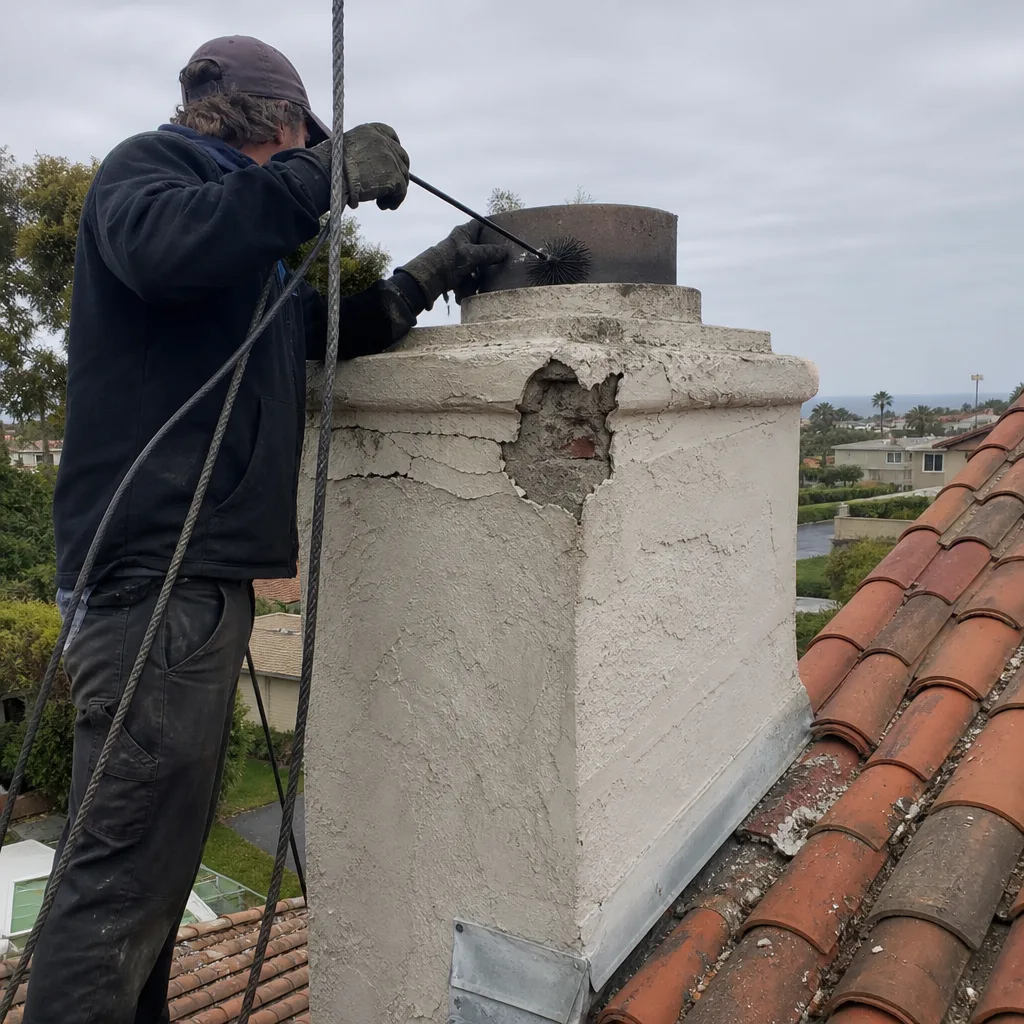 Before
 After
 Before
 After