
Last updated November 2, 2026
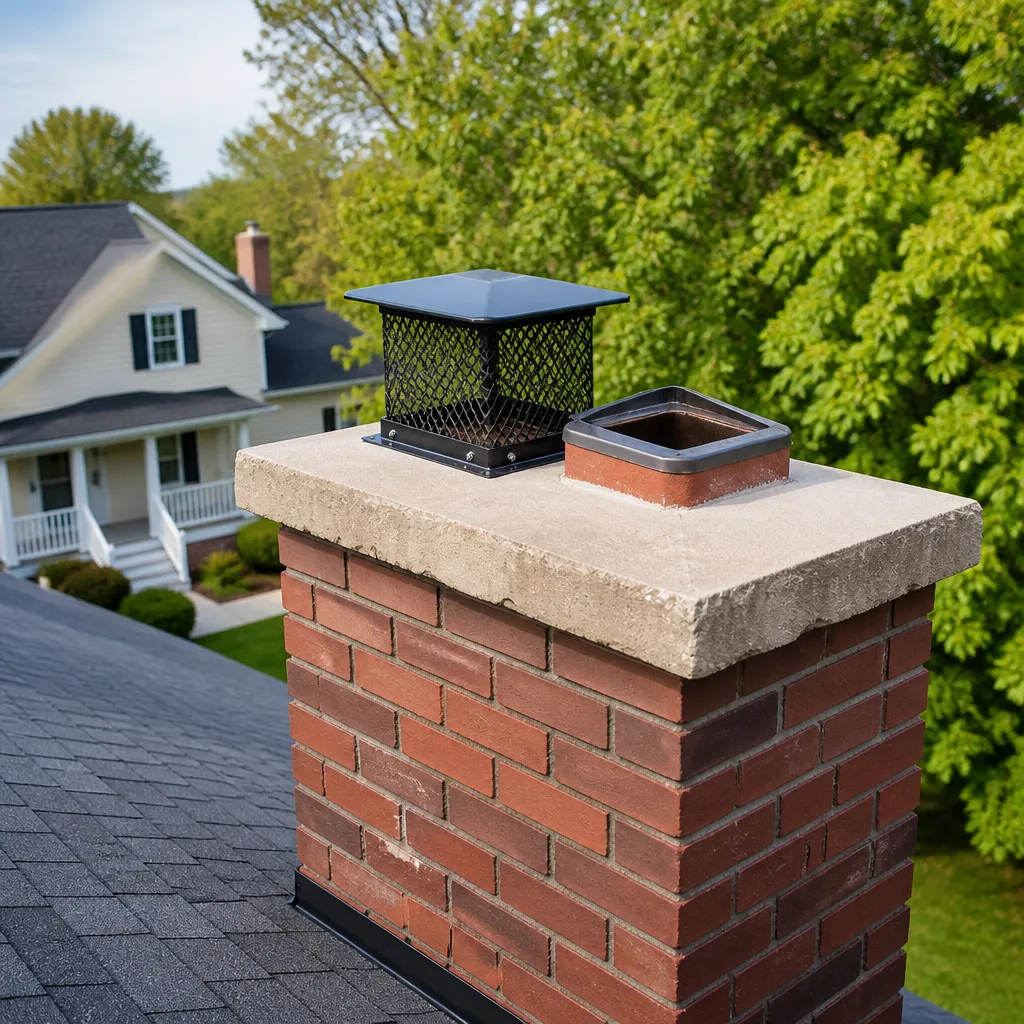 Sweep & inspection
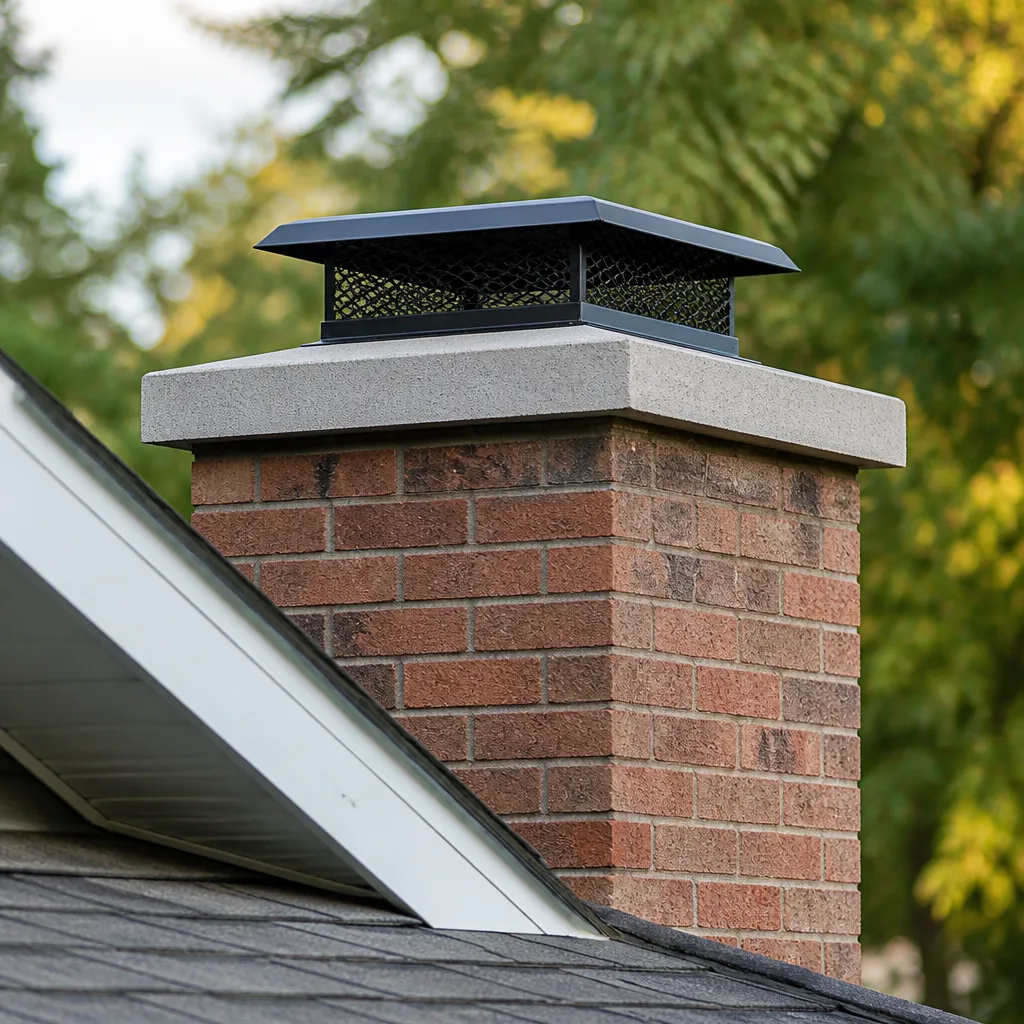 Caps & crowns
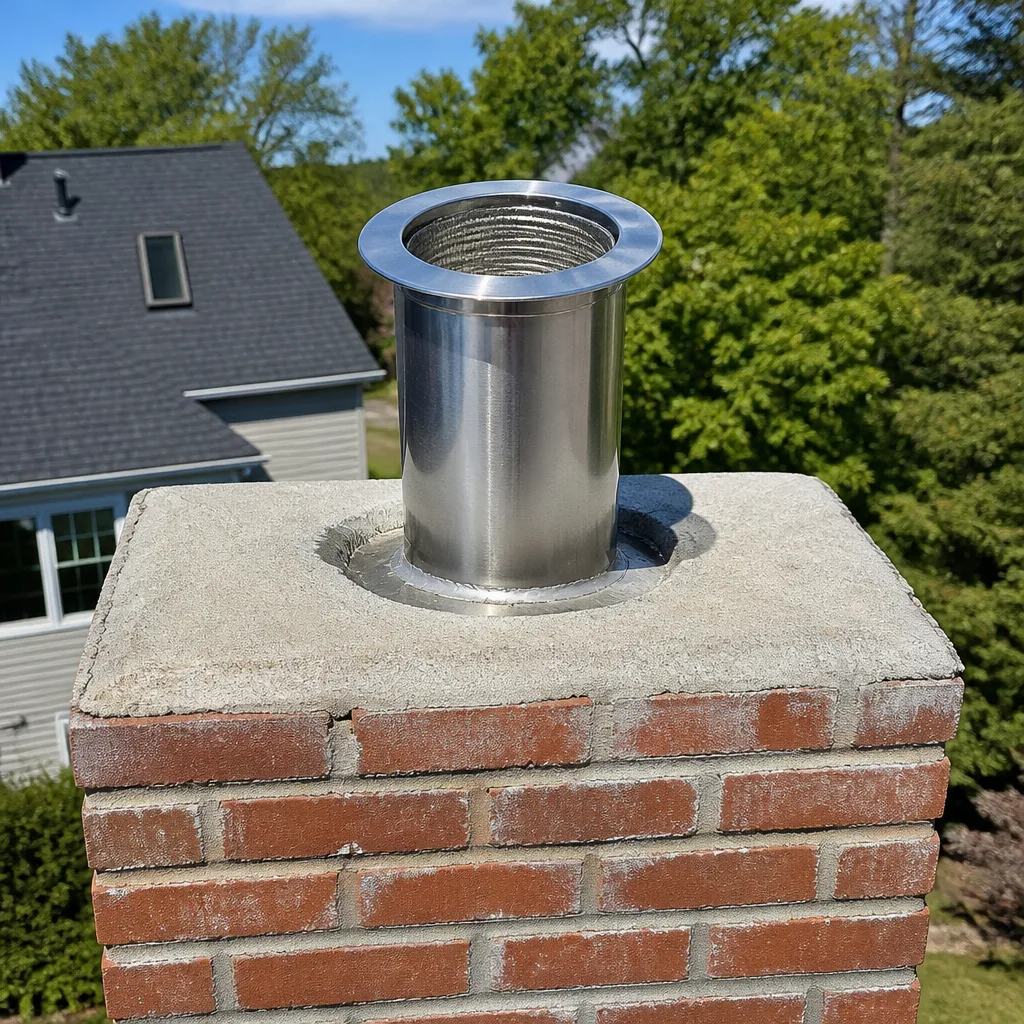 Flue relining
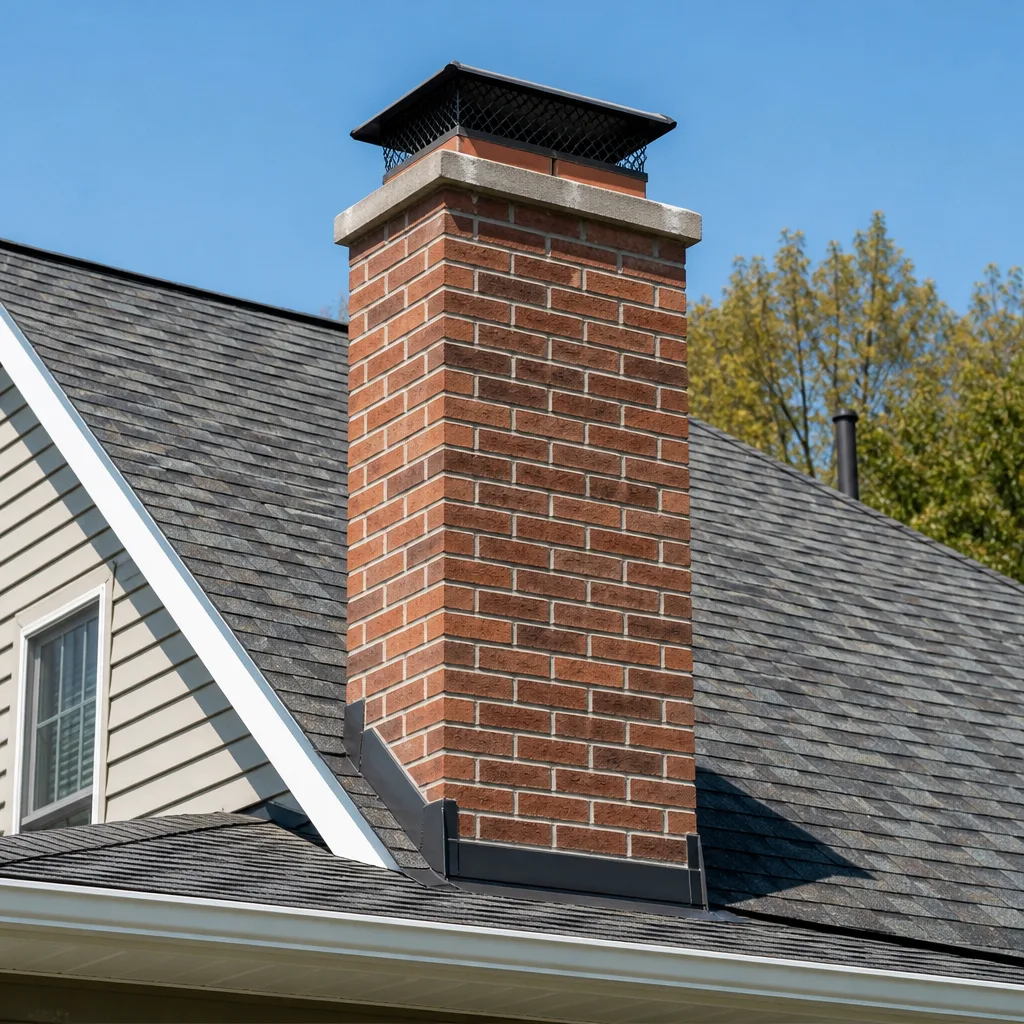 Masonry repair
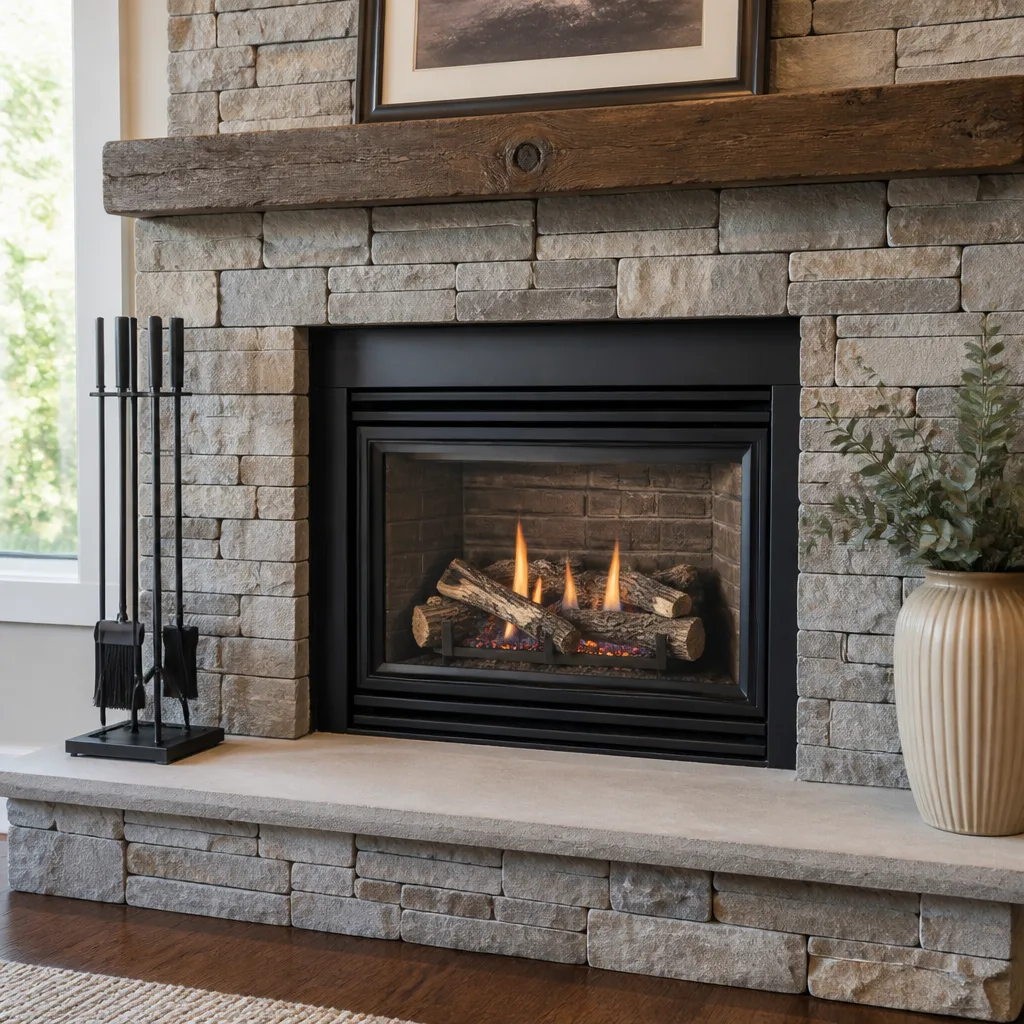 Gas fireplace service
Level 1 sweep and inspection to the NFPA 211 annual standard - flue, crown, cap, and flashing checked and photographed
Chimney sweep logs do not sweep chimneys. They loosen some creosote - which then falls where a brush and vacuum still have to collect it.
Chimney Cleaning Warning Signs: A La Jolla Homeowner’s Reference Guide
Most La Jolla homeowners don’t discover chimney problems through dramatic events. No collapse. No visible flames where they shouldn’t be. Instead, they notice small things: a smell that comes and goes, a fireplace that’s suddenly finicky about lighting, a white chalky dust on the brick outside. These get explained away, season after season, until a chimney sweep finally looks and finds what’s been quietly worsening for years. This guide walks through what those subtle signals actually mean, and for more guides & resources you can explore our blog. We’ll cover what’s normal, what’s not, and what each warning sign looks like when you know what you’re actually seeing. If you live in La Jolla’s coastal climate, some of these signs show up differently here than they would ten miles inland, and we’ll explain why that matters.
Quick Answer
The most common chimney warning signs La Jolla homeowners miss are a fireplace that smells like smoke when cold, white mineral staining on exterior brick, creosote you can see or smell before you ever call for a cleaning, and a fire that’s become harder to light than it used to be. None of these are normal. Each points to a specific underlying condition – a failing damper seal, moisture intrusion, heavy creosote accumulation, or a restricted flue – and each has a defined fix that gets more expensive the longer it waits. If you notice any of these, a professional inspection is the appropriate next step, not a wait-and-see approach.
Styles & brands we work with
- Sweep & inspection
- Caps & crowns
- Flue relining
- Masonry repair
- Gas fireplace service
Table of Contents
- Why Your Fireplace Smells Like a Campfire When It’s Not in Use
- White Efflorescence on Exterior Masonry: What It Actually Signals
- Creosote Stages: How to Tell What You’re Looking At
- A Fireplace That’s Harder to Light Than It Used to Be
- Animal Odors, Rustling, and Nesting Debris in La Jolla Chimneys
- Draft Reversal vs. Backdraft: Two Different Problems, Two Different Fixes
- The Dryer Vent Connection: A Second Fire Risk La Jolla Homes Hide
- Common Mistakes to Avoid
- When to Call a Professional
- Frequently Asked Questions
Why Your Fireplace Smells Like a Campfire When It’s Not in Use
A fireplace that smells like a campfire when there’s no fire burning isn’t charming. It’s a draft reversal. The chimney is pulling air downward into your living space instead of venting upward and out. That smell is combustion byproduct – creosote residue, soot, and the remnants of every fire you’ve ever burned – moving backward through a damper that should be sealing it off. In La Jolla, where marine air pushes in from the Pacific and houses are built tight to manage temperature, this happens more often than people expect. Negative air pressure inside the home, created by bathroom fans, range hoods, or even the stack effect in a two-story house, can overcome a weak chimney draft and reverse it. The fix is rarely “open a window.” It’s identifying what’s actually driving the reversal: a damper that no longer seats properly, a flue that’s partially obstructed, or a chimney too short to establish adequate draft against coastal air patterns. We’ve walked into La Jolla living rooms where the homeowner had simply stopped noticing the smell. That’s the problem with sensory cues – they fade into the background. But the condition causing them doesn’t fade. It compounds.
What you can check: run your hand along the damper when the fireplace is cold. Feel for cold air moving down. Look for soot dust on the hearth that reappears days after cleaning. Smell the air near the firebox on a windy day. These are all signs the chimney is not staying sealed when idle. The right solution involves evaluating the entire venting system, not just replacing a $20 part and hoping. A Chimney Sweep in La Jolla can test draft, inspect the damper seat, and determine whether the issue is mechanical, structural, or pressure-related. The distinction matters because each path leads to a different repair.
White Efflorescence on Exterior Masonry: What It Actually Signals
That white, chalky deposit on the outside of your chimney brick is called efflorescence. It’s not mold, not paint failure, not cosmetic. It’s salt. Water moves through the masonry, dissolves mineral salts naturally present in brick and mortar, and deposits them on the surface as the water evaporates. In La Jolla’s climate, with its salt-laden marine air and the wet-dry cycling common to coastal California, efflorescence appears faster and more aggressively than it does inland. What it signals is moisture intrusion: water is getting into the chimney structure and moving through it. Left unaddressed, efflorescence progresses from a surface stain to spalling – brick faces popping off, mortar joints crumbling, and structural degradation of the chimney itself. The progression from first white dust to visible spalling can happen within a few seasons in coastal conditions. The moisture sources vary: a failed chimney cap letting rain in from above, cracked crown mortar, a missing or deteriorated cap, damaged flashing where the chimney meets the roof, or – common in older La Jolla homes – brick that was never properly sealed and is now absorbing marine moisture directly. Each source requires a different repair. None of them go away on their own.
What you can check: note whether the efflorescence appears after rain or during dry spells, whether it’s localized to one side of the chimney, and whether any brick faces have begun to flake or powder. These details help a technician identify the moisture entry point before opening up the structure. Our approach at Chimney Repair in La Jolla is to find where water is getting in, not just clean the surface. A Famco cap replacement, crown repair, or flashing rework might be the actual fix. Cleaning efflorescence off without addressing the water source means you’ll be looking at the same white powder again next season.
Creosote Stages: How to Tell What You’re Looking At
Creosote is the residue left behind when wood smoke cools and condenses on the inside of your chimney. It’s not one substance – it’s three distinct forms, and each one tells a different story about how your fireplace has been burning and what it needs now. Chimney professionals classify creosote in stages. Understanding what you’re seeing from below the damper can tell you a lot before anyone ever gets on the roof.
Stage 1: Flaky Dust
Stage 1 creosote is the easiest to remove. It’s a fine, flaky, gray or brown dust that brushes off with a standard chimney sweep. It forms during hot, efficient fires with dry wood. If this is what you have, you’re in good shape. A routine cleaning is all that’s needed. Most La Jolla homeowners who burn seasonally and use properly seasoned wood will have Stage 1 creosote when they’re inspected annually.
Stage 2: Crunchy Tar Flakes
Stage 2 creosote looks like black, crunchy flakes – think oversized coffee grounds or burnt popcorn. It’s harder, denser, and won’t come off with a standard brushing alone. It forms when fires burn cooler or when wood isn’t fully seasoned. This is common in coastal La Jolla homes because ambient humidity means wood stored outdoors never fully dries unless it’s kept covered and off the ground. Stage 2 creosote requires more aggressive mechanical removal. If you’re seeing thick black flakes visible from below the damper, you’re past the point where a quick sweep will do it.
Stage 3: Glazed Tar
Stage 3 creosote is a hardened, shiny, tar-like glaze that adheres to the flue walls. It’s extremely difficult to remove and creates the most dangerous fire conditions because it’s concentrated fuel. Stage 3 forms when creosote is repeatedly heated and cooled without being removed, or after a chimney fire has baked earlier deposits into a hard glaze. When we find Stage 3 creosote in a La Jolla chimney, the cleaning strategy changes entirely – it typically requires chemical treatments or rotary cleaning methods rather than standard brushing. In some cases, where the flue interior has been damaged by the conditions that created Stage 3 in the first place, Chimney Sweep La Jolla home technicians may recommend evaluating the flue for a HeatShield resurfacing or a DuraFlex reline rather than continuing to clean a deteriorating surface.
Here’s the sequence of action each stage requires:
- Stage 1: Schedule a standard chimney sweep. Confirm the sweep includes a visual inspection of the entire flue while the chimney is open.
- Stage 2: Request a mechanical or rotary cleaning, not just a basic sweep. Ask whether the technician will camera-inspect afterward to confirm removal.
- Stage 3: Accept that standard cleaning may not be sufficient. The flue may need chemical treatment, and the underlying flue surface may need assessment for restoration.
A Fireplace That’s Harder to Light Than It Used to Be
“It doesn’t draw like it used to” is something we hear from La Jolla homeowners who’ve been burning fires for years and noticed a gradual change. They blame themselves – bad wood, poor technique, not enough kindling. But a fireplace that consistently resists lighting, produces smoke that lingers in the room instead of going up, or requires a window cracked open to get going is usually telling you something structural. The physics of a chimney draft depends on a simple relationship: the flue must be large enough to handle the volume of combustion gases, tall enough to create adequate pressure differential, and clear enough to allow unrestricted flow. When any of those changes, the fireplace gets harder to light. What changes them? A flue narrowed by creosote buildup is the most common cause. But so is a partially collapsed liner, a bird’s nest or animal obstruction, a cap that’s rusted and restricting the outlet, or a chimney that’s simply too short for its roof height and wind exposure to establish reliable draft. In La Jolla, where homes are built into hillsides and rooflines can be irregular, a chimney that was acceptable when installed may now be effectively too short if neighboring trees or structures have altered wind patterns. These aren’t technique problems. They’re diagnostic findings. When a homeowner tells us their fireplace has gotten harder to light over two or three seasons, we treat that as a symptom worth investigating, not a user error to coach around.
What you can check: look up from inside the firebox with a flashlight. Do you see a clear path, or does the flue appear narrowed or blackened? Does the damper open fully? Is there debris visible on the smoke shelf? Have any large trees grown up near the chimney since you moved in? These observations help narrow the possibilities. But the definitive answer usually requires a camera inspection of the flue interior. We’ll tell you exactly what we found – and show you. That’s the standard that should apply to any chimney diagnosis.
Animal Odors, Rustling, and Nesting Debris in La Jolla Chimneys
Chimneys are cavities. Animals find them. And in La Jolla’s coastal canyon terrain, wildlife moves through residential areas more than many homeowners expect. The signs of an animal problem in your chimney are specific: scratching or rustling sounds that come and go, typically at dawn or dusk; an ammonia-like odor that intensifies on warm days; flies appearing near the fireplace with no other source; or nesting debris – twigs, leaves, grass – falling onto the smoke shelf or hearth. The animals in question shift by season. Here’s what we encounter in La Jolla:
- Spring and summer: Chimney swifts and sparrows nest in uncapped chimneys. Their nests are compact and mud-based, and they can fully block a flue in a few weeks. Raccoons, common in La Jolla’s canyon-adjacent neighborhoods, will raise young in chimneys during late spring – we’ve seen raccoon families occupying chimneys in houses near the Torrey Pines and Mount Soledad areas.
- Fall: Squirrels seek sheltered spaces before cooler weather. They’ll enter through damaged caps or chase holes in older brick. Their nesting material – shredded bark, leaves, cloth – is dry and creates an immediate fire hazard when it accumulates above the damper.
- Winter: Rats and mice move into chimneys connected to wood-burning fireplaces when the fireplace is idle. Their nests are usually found near the base of the flue, and they can introduce fleas and other issues into the home.
Raccoons require a different response than birds. Birds are protected under the Migratory Bird Treaty Act while nesting; and in California, raccoons can’t simply be evicted without proper handling. The safest and most effective remediation is a chimney cap installation – a properly fitted cap prevents all of these animals from entering in the first place. We install Famco and Olympia Chimney caps, which are professional-grade stainless and galvanized products specified for coastal environments. Before capping, any existing animals need to be safely removed and the chimney cleaned and inspected. We’ll tell you exactly what we found – and show you. If you’re hearing noises, don’t ignore them for weeks. Nesting debris is dry, packed, and positioned directly above your firebox. It’s a fire ignition source waiting for the first fire of the season.
Draft Reversal vs. Backdraft: Two Different Problems, Two Different Fixes
These terms get used interchangeably, and they shouldn’t be. Understanding the difference changes what repair you’re looking for. Draft reversal means the chimney is pulling air downward into the house instead of exhausting upward. It’s usually a passive, persistent condition. You’ll notice the campfire smell described earlier, cold air moving through the firebox, or smoke that spills into the room when you first light a fire. Backdraft is different. Backdraft is an active event – a sudden reversal of airflow that pushes smoke and combustion gases into the room during a fire. You’ll see it as a puff of smoke entering the living space, often when a fire is well-established or when another appliance kicks on. What causes each differs too:
- Draft reversal causes: negative indoor air pressure (exhaust fans, tight home envelope), outside temperature inversion, an inadequate chimney height, or a damper that doesn’t seal.
- Backdraft causes: a flue obstruction that blocks normal exhaust until pressure builds and reverses, a fire that’s producing more exhaust than the flue can handle, or a competing appliance (furnace, water heater, dryer) pulling air from the same space and starving the fireplace.
In La Jolla, where many homes have been weatherized over the years – new windows, added insulation, sealed crawl spaces – negative pressure problems have become more common. The house got tighter, but the chimney didn’t adjust. The fix for draft reversal might be a top-sealing damper, a chimney height extension, or a make-up air solution. The fix for backdraft might be a flue cleaning, a liner repair, or a cap replacement. The point is: these aren’t the same condition, and treating them as the same condition wastes time and money. A proper diagnosis starts with observing exactly when the problem occurs, what the weather was doing, and whether other appliances were running. We’ll tell you exactly what we found – and show you. That specificity is what separates a real fix from a guess.
The Dryer Vent Connection: A Second Fire Risk La Jolla Homes Hide
Your chimney isn’t the only exhaust system that accumulates flammable residue. Dryer vents do the same thing, and in a different category of house fire. Lint is incredibly combustible, and a restricted dryer vent causes lint to accumulate faster, the dryer to run hotter, and the exhaust system to work harder while moving less air. La Jolla homes with long vent runs – common in multi-story houses, homes with laundry rooms placed away from exterior walls, or older homes where the dryer was added to a converted space – are at higher risk because the lint has more distance to travel and more opportunity to deposit before it exits. A dryer that takes two cycles to dry a load, a laundry room that gets unusually warm, or a musty smell around the dryer are all signs the vent needs attention. The solution is what we call Dryer Vent Cleaning in La Jolla: a thorough mechanical cleaning of the entire vent run, from the dryer connection to the exterior termination, using professional rotary tools that remove the lint a standard brush won’t get. Your dryer vent is a fire hazard too – we handle both. If you’re already having your chimney swept for the season, the dryer vent can be addressed in the same appointment.
Common Mistakes to Avoid
- Ignoring the smell because it’s intermittent. A fireplace that smells like smoke only on windy days or only when the heat kicks on still has a problem. Intermittent symptoms are still symptoms. The condition causing them doesn’t take days off.
- Cleaning efflorescence off the brick without fixing the water source. The white powder will return, and the moisture will keep working on the masonry. You’re treating a symptom and letting the structural damage continue behind it.
- Assuming Stage 1 creosote means everything is fine. Stage 1 is easy to clean, but it still means creosote is being produced. The question isn’t just what stage you have – it’s whether your burning habits and wood seasoning are setting you up for Stage 2 or 3 later.
- Waiting to address animal activity until the season changes. Nesting debris doesn’t resolve itself. Animals leave eventually, but the nest stays, blocks the flue, and creates a fire hazard. The cap that should have been installed is still missing.
- Blaming yourself for a fireplace that won’t light reliably. If the same technique worked for years and suddenly doesn’t, the technique isn’t the variable. The chimney is. Get it inspected.
- Treating backdraft and draft reversal as the same problem. They have different causes and different fixes. Observing when the smoke enters the room – during startup, mid-fire, or when other appliances are running – is the data that separates them. Write down what you observe.
- Cleaning the chimney but not the dryer vent. Both are exhaust systems that accumulate flammable residue. A house with a clean chimney and a packed dryer vent still has a fire risk that should have been addressed in the same service visit.
When to Call a Professional
Any of the warning signs in this guide justifies a professional inspection. You don’t need to wait for a dramatic event. A cold fireplace that smells like smoke, white staining appearing on exterior brick, creosote you can see or feel near the damper, a fire that’s harder to light than it used to be, or sounds and smells suggesting animal activity – each one is a sufficient reason to call. And if you have a gas fireplace or gas insert, the warning signs are different but no less important: yellow or orange flames instead of blue, soot on the glass, or a gas smell near the fireplace are all conditions that require immediate professional attention. We don’t pressure homeowners into repairs they don’t need. We show them what we found, with camera images, and explain what can wait and what can’t. Chimney Sweep La Jolla offers free estimates in La Jolla – call (833) 952-1418.
Frequently Asked Questions
The National Fire Protection Association standard is that chimneys should be inspected at least once a year and cleaned as needed, regardless of how often you use your fireplace. In La Jolla’s coastal climate, annual inspection matters just as much for catching animal entry and moisture issues as it does for creosote removal, because marine air and wildlife access create conditions that can change the chimney’s status seasonally even with light use. Call (833) 952-1418 for an exact quote – estimates are free.
Chimney sweep pricing in La Jolla typically ranges from $189 to $350 for a standard cleaning, with the final cost depending on the chimney’s height, the creosote stage present, and whether any additional access or equipment is required. The most accurate way to price your specific chimney is with a quick inspection, and we don’t charge for the estimate. Call (833) 952-1418 to schedule one.
Not always, and this is where a camera inspection matters. A liner is needed when the existing flue has cracks, gaps, or deterioration that allows heat or combustion gases to reach the surrounding structure, or when the flue is sized wrong for the appliance. But some flue deterioration can be addressed with a HeatShield resurfacing, which restores the interior surface without a full reline, or a DuraFlex stainless liner when full replacement is warranted. We’ll tell you exactly what we found – and show you. If a liner recommendation isn’t backed by camera footage you can see, get a second opinion.
Creosote accumulates. It raises the risk of a chimney fire, and it accelerates the deterioration of the flue interior. In La Jolla, skipped cleanings also mean animal nests and moisture intrusion go undetected for longer, because nobody looked. The most expensive chimney repairs we see are almost always on chimneys that hadn’t been inspected in years. The cheapest chimney maintenance is the one that happens on schedule. Call (833) 952-1418 to get your chimney on a regular inspection cycle.
You can attempt it, but a homeowner-grade brush won’t remove Stage 2 or Stage 3 creosote, won’t reach the full flue length in most multi-story La Jolla homes, and won’t provide the visual inspection that actually tells you what condition the chimney is in. Chimney cleaning isn’t just about removing soot – it’s about seeing the flue interior clearly enough to identify cracking, deterioration, animal damage, or moisture problems. That’s what our equipment and experience provide. If you’re going to do the work, you should also be checking what the work reveals.
A chimney cap keeps rain, animals, and debris out of the flue. It’s the single highest-value preventive addition for most La Jolla chimneys, because it addresses the three most common sources of chimney problems at once: water entry, wildlife nesting, and flue blockage from debris. We install Famco and Olympia Chimney caps, which are built for coastal environments and won’t rust out in a few seasons like cheap caps from a hardware store. If your chimney doesn’t have a cap, you should add one.
The Bottom Line
Most chimney problems announce themselves quietly. A smell that lingers. White powder on brick. A fire that’s stubborn about starting. These are diagnostic information, not annoyances to work around. The value of understanding what you’re seeing is simple: you can act before the repair becomes expensive and before the condition becomes dangerous. In La Jolla, where coastal moisture, canyon wildlife, and aging housing stock combine, the chimney needs attention even when the fireplace isn’t getting much use. Get it inspected. See what the sweep sees. And if something needs fixing, fix it with the right material for the repair, not just what’s on the truck. Cleaning is step one. We stay to handle what cleaning uncovers.
Written by the team at Chimney Sweep La Jolla, serving La Jolla since 2015.
See the difference
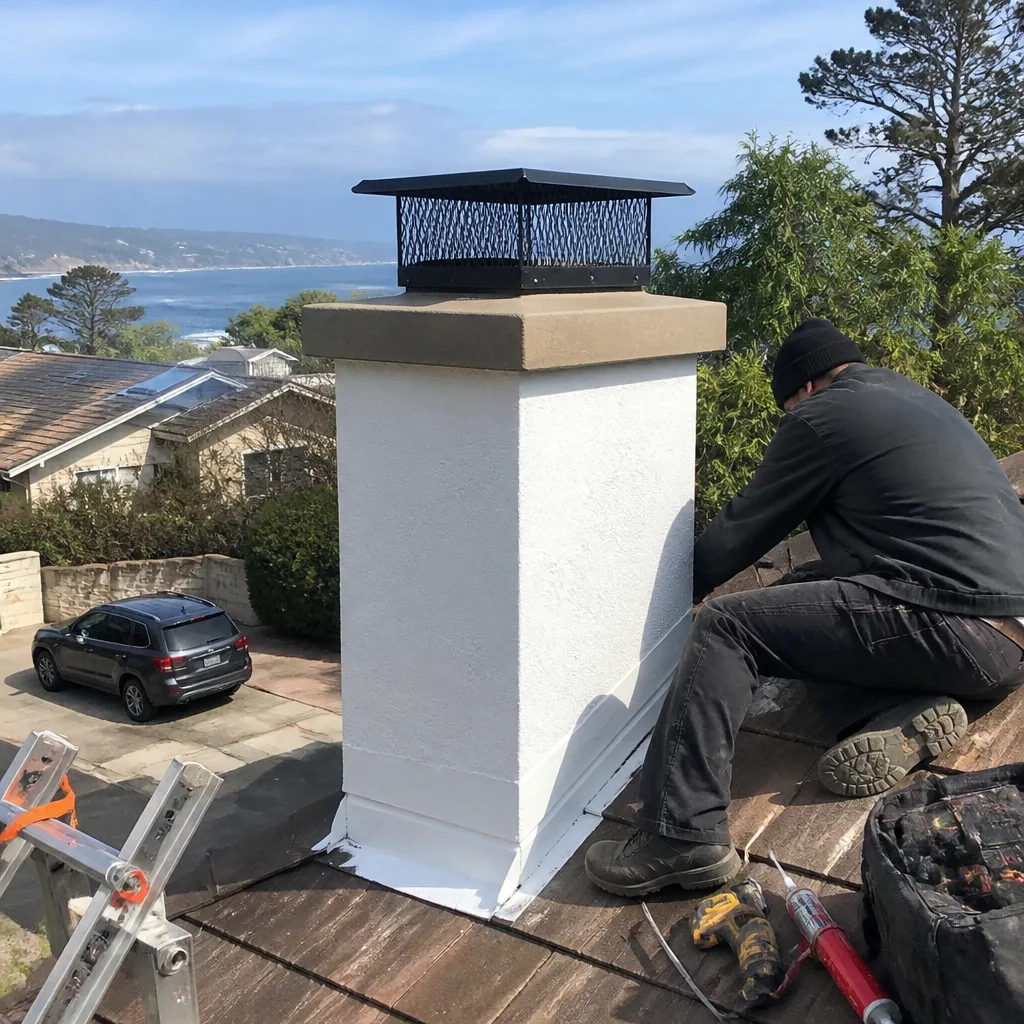
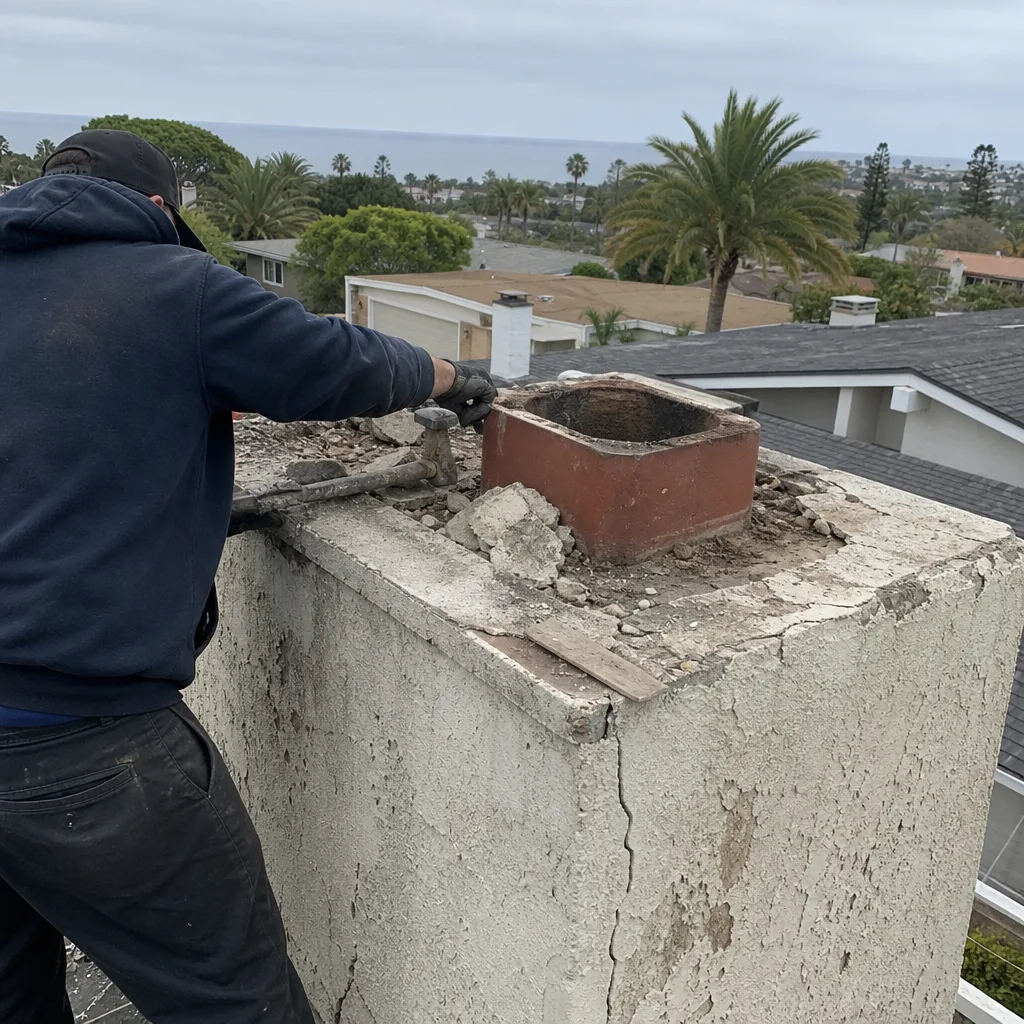 Before
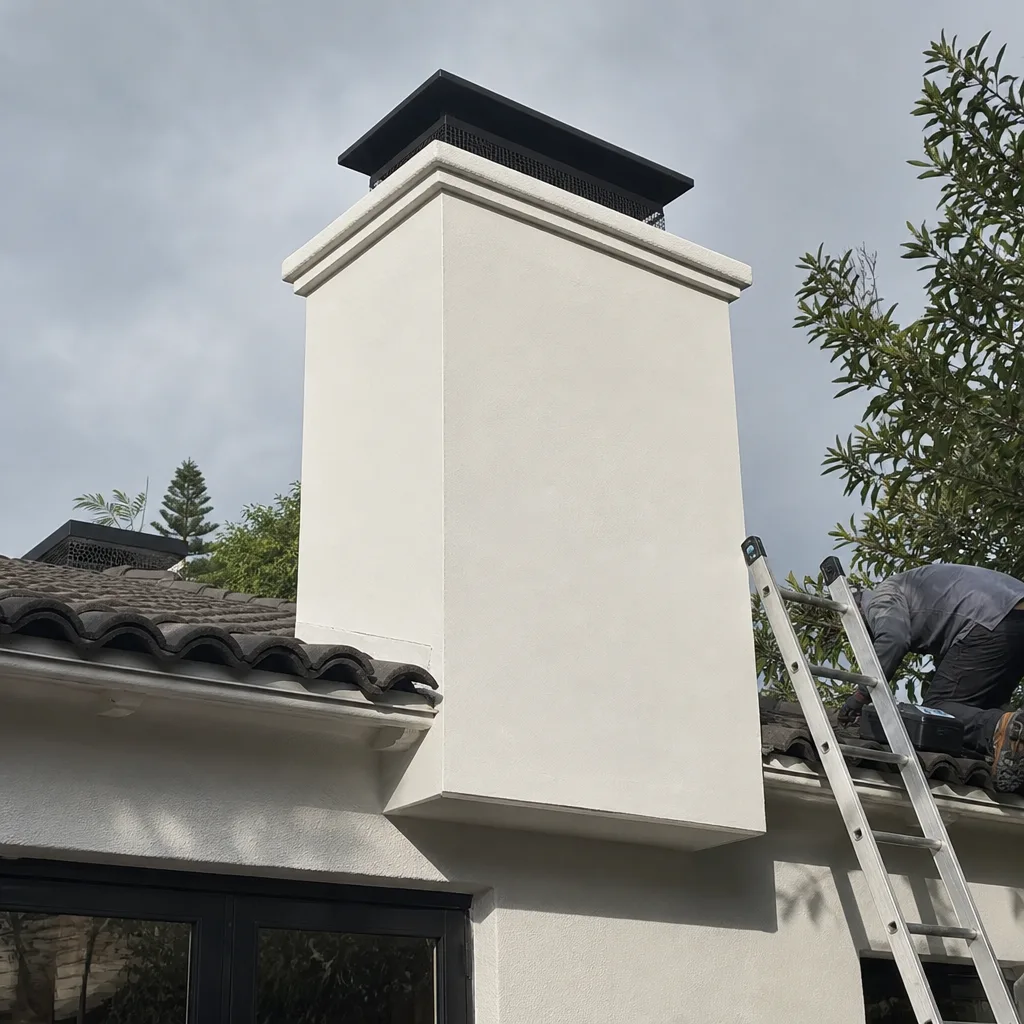 After
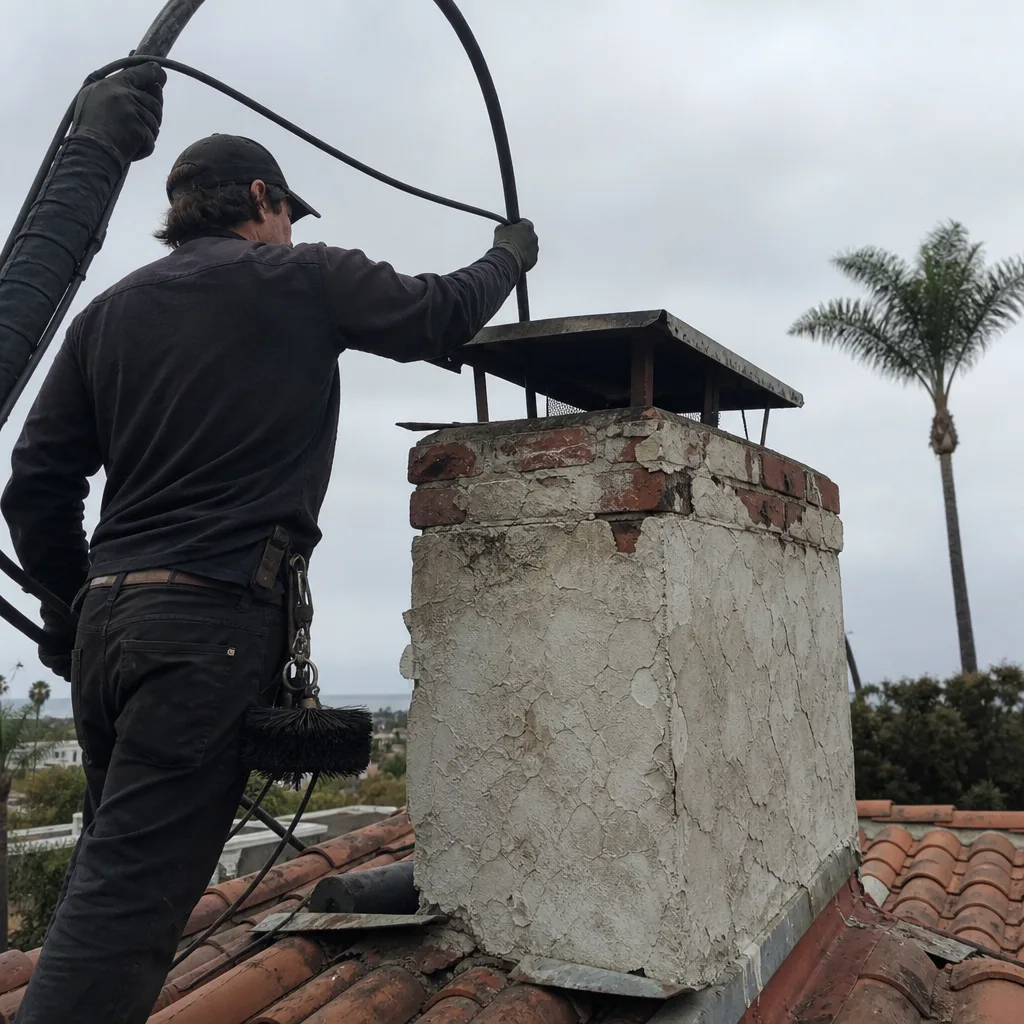
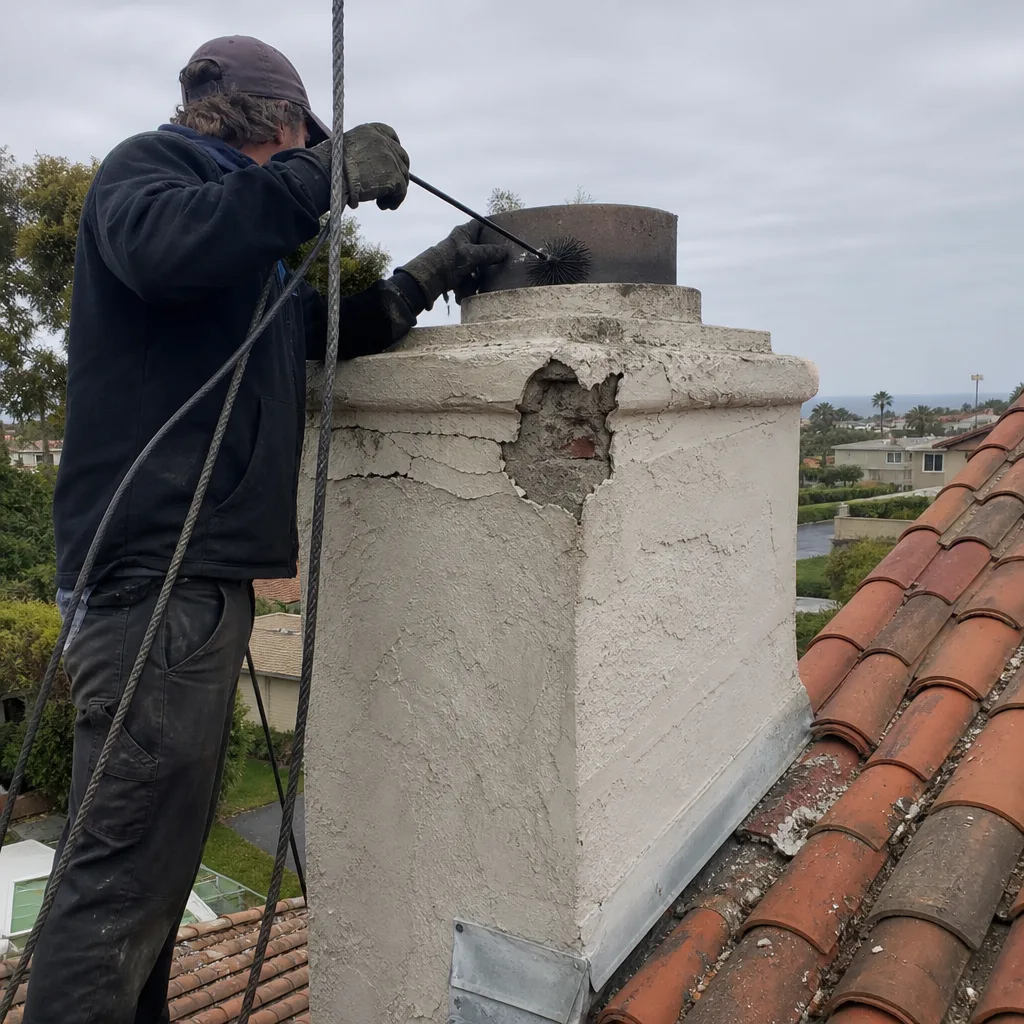 Before
 After
 Before
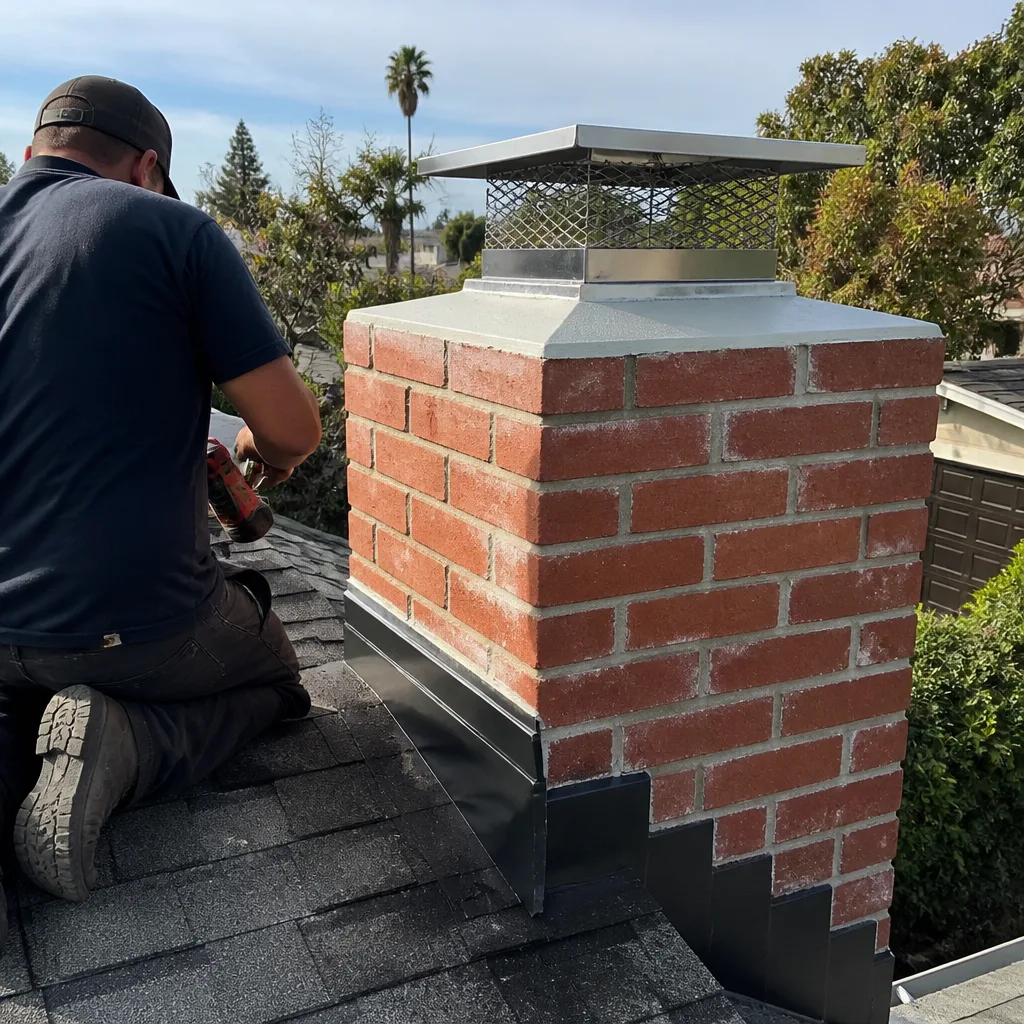 After