
Last updated November 3, 2026
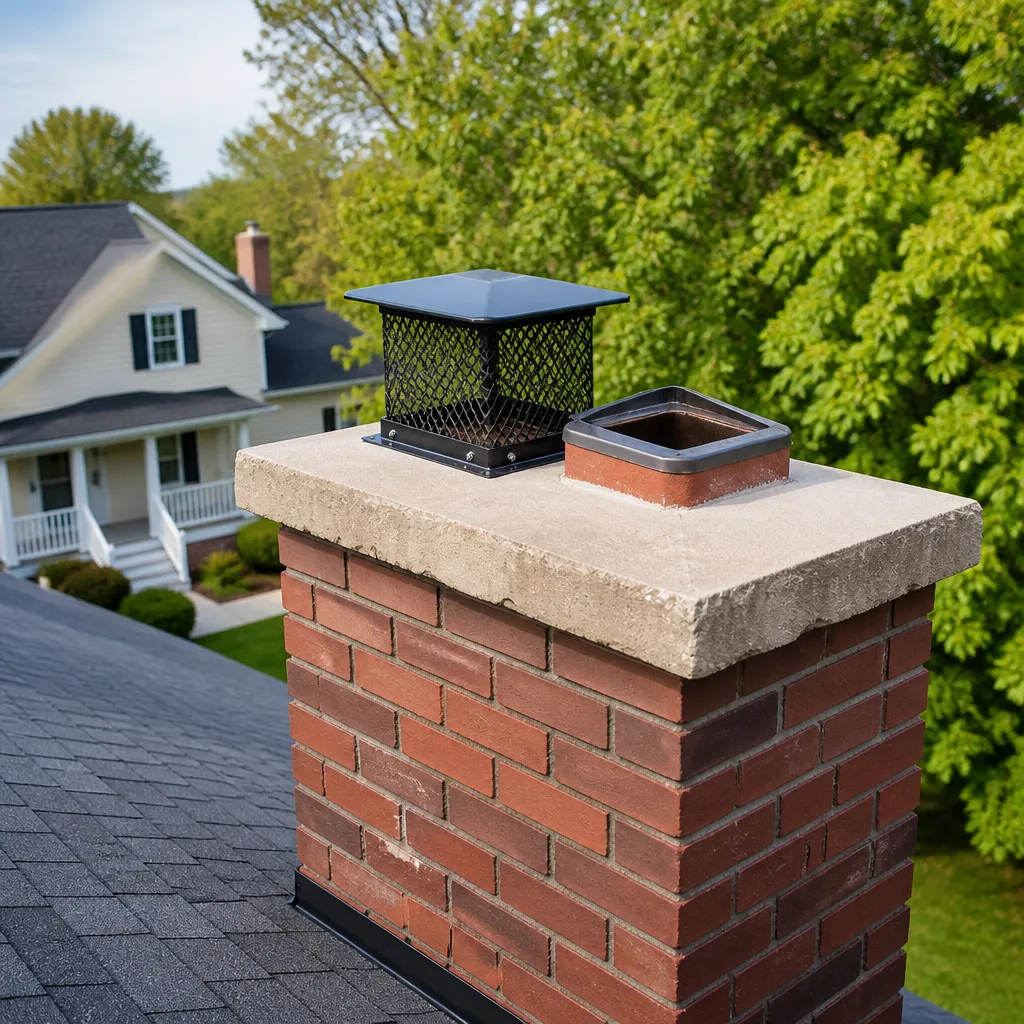 Sweep & inspection
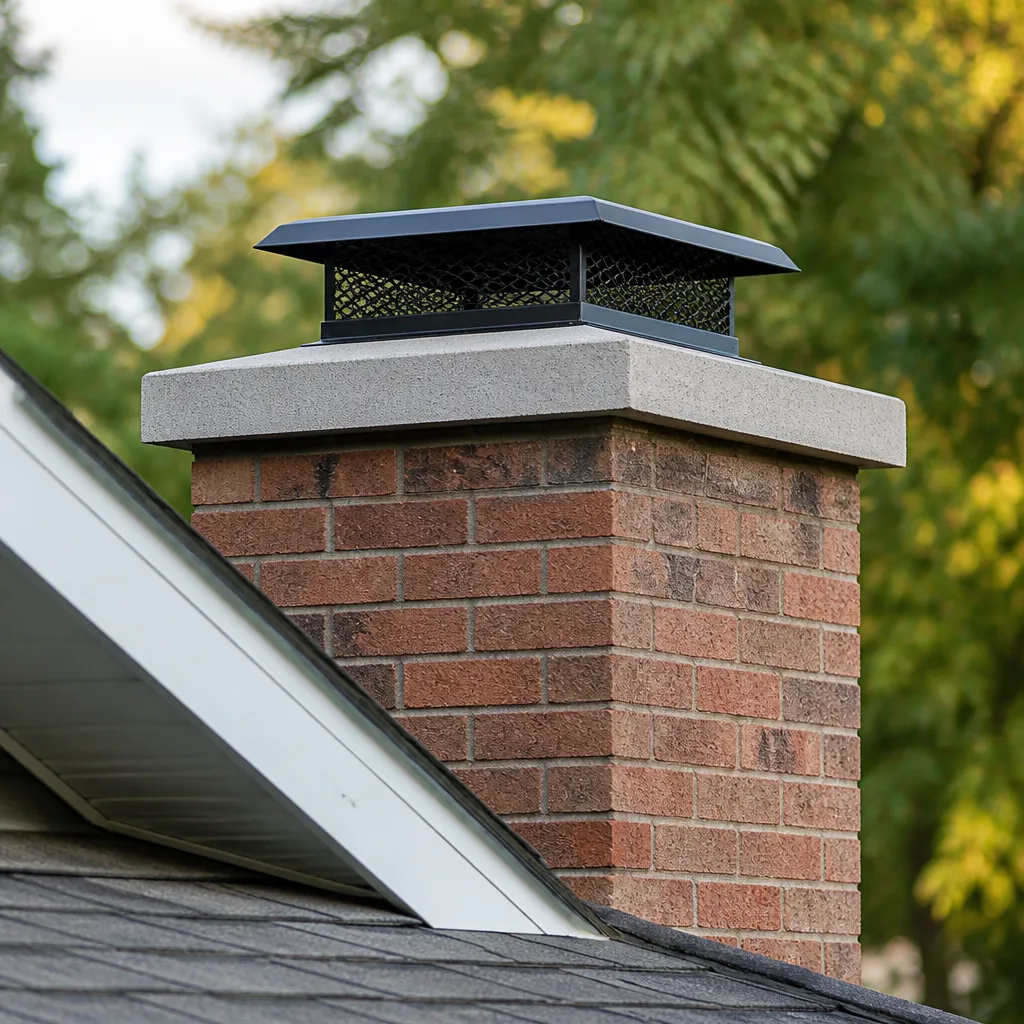 Caps & crowns
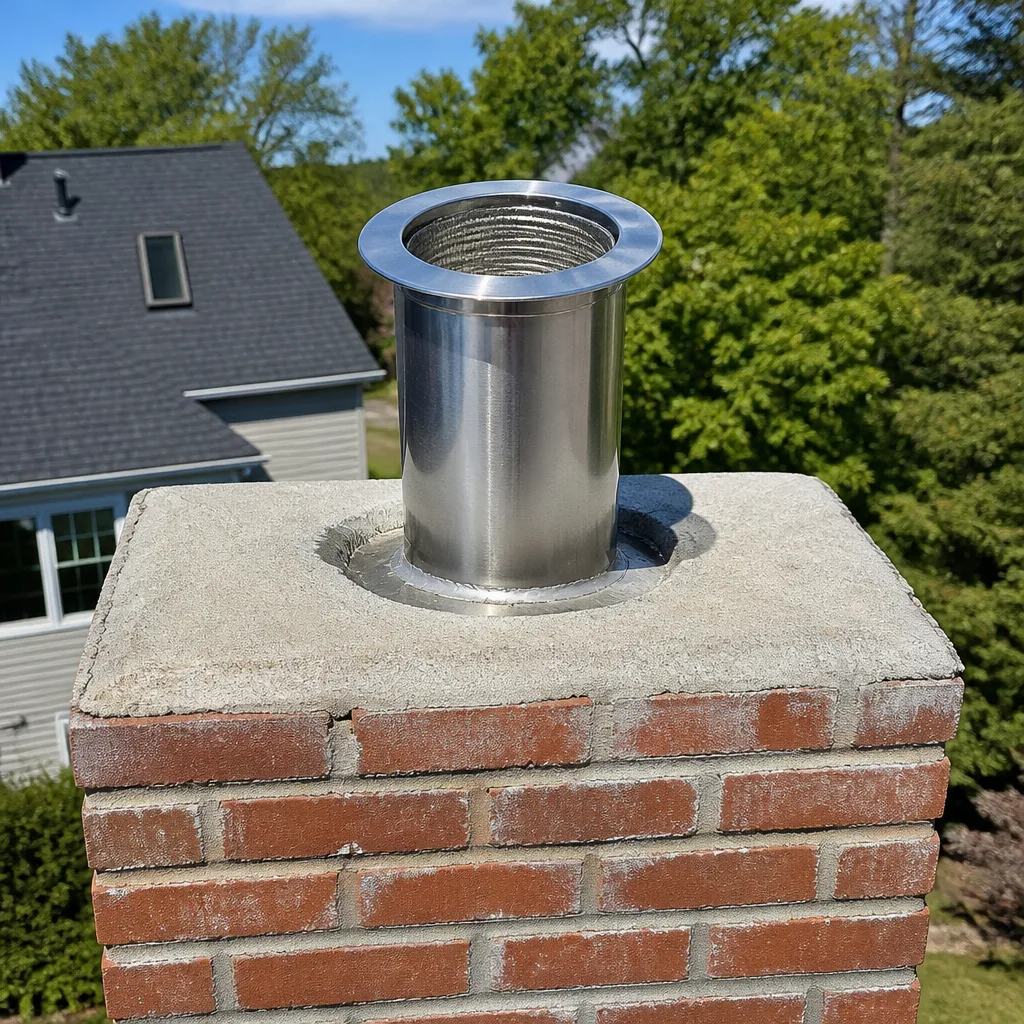 Flue relining
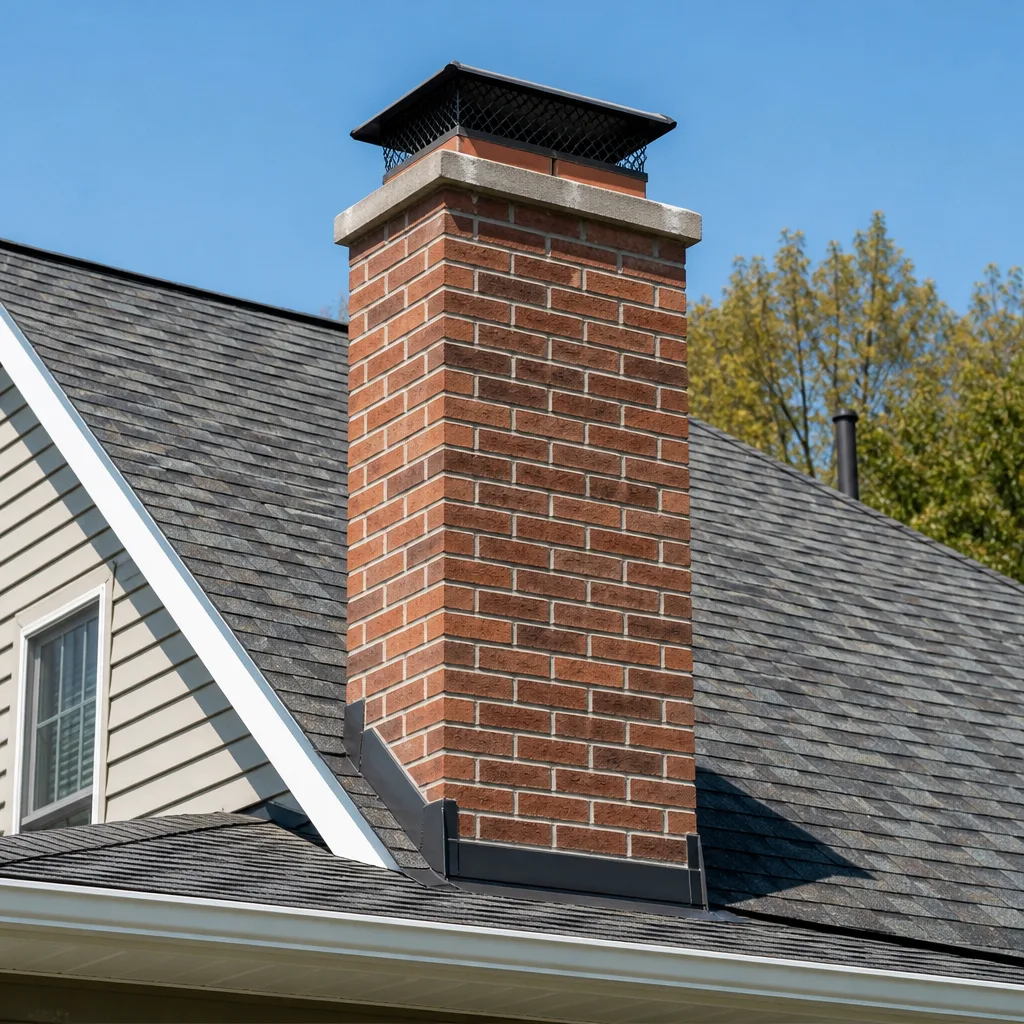 Masonry repair
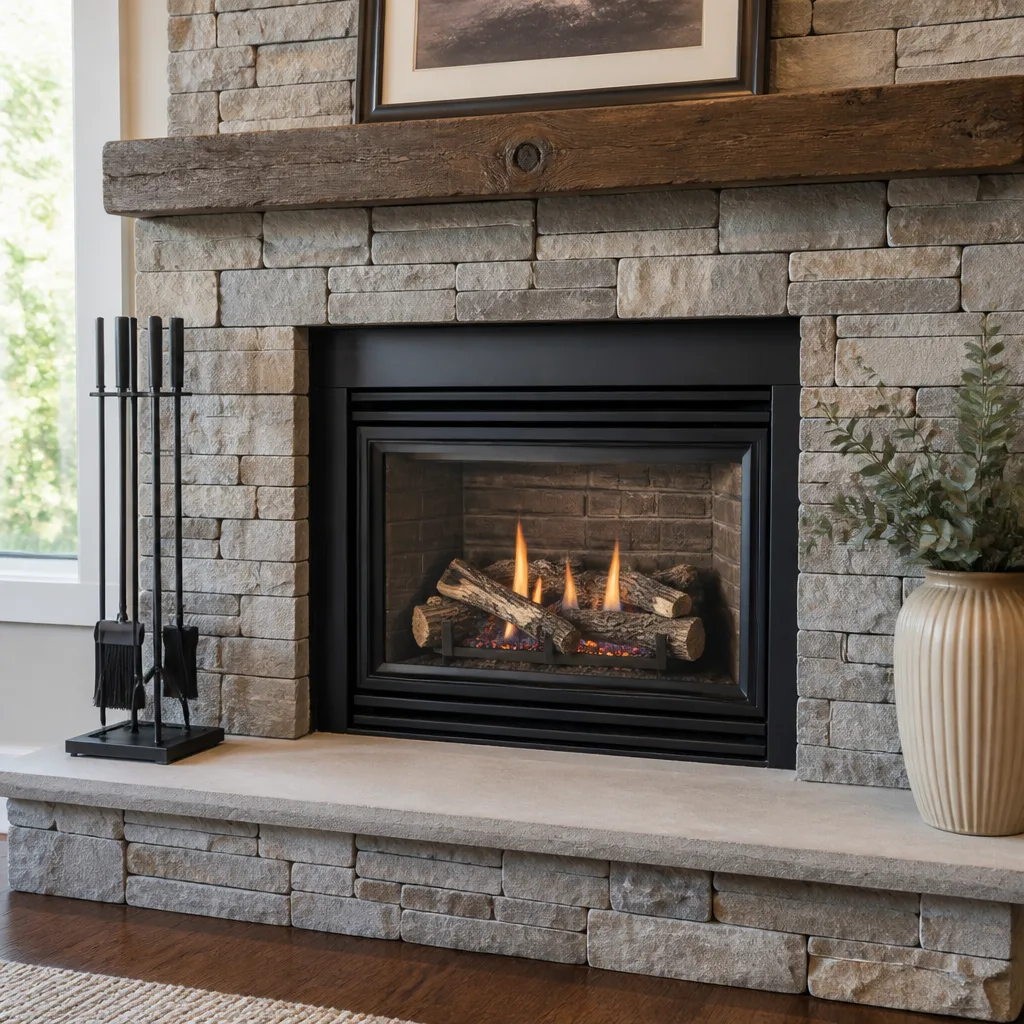 Gas fireplace service
Level 1 sweep and inspection to the NFPA 211 annual standard - flue, crown, cap, and flashing checked and photographed
Chimney sweep logs do not sweep chimneys. They loosen some creosote - which then falls where a brush and vacuum still have to collect it.
The Complete Chimney Sweep Guide for La Jolla Homeowners
Most La Jolla homeowners light their fireplace fewer than 10 times a year. That sounds like a low-risk situation. It isn’t. Infrequent use combined with La Jolla’s salt-heavy marine air creates a specific set of chimney degradation patterns that a generic sweep checklist won’t catch, and in some cases can accelerate the very liner damage that high-use fireplaces never develop. This guide explains what actually happens to chimneys in this ZIP code, what a proper inspection should look for, and when cleaning alone is genuinely enough.
Quick Answer
A chimney sweep in La Jolla should do more than brush soot. Because of the coastal climate, a proper sweep here must include a visual inspection of the flue liner for salt-driven mortar erosion and acidic condensate damage, a check of the chimney crown and cap for corrosion, and a camera inspection when the liner shows signs of deterioration. Expect to pay between $195 and $350 for a standard sweep and inspection, with additional cost only if the inspection uncovers repair needs.
Styles & brands we work with
- Sweep & inspection
- Caps & crowns
- Flue relining
- Masonry repair
- Gas fireplace service
Table of Contents
- What a Chimney Sweep Actually Does
- Why La Jolla’s Salt Air Changes Everything
- The Low-Use Fireplace Problem Nobody Mentions
- Cleaning-Only vs. Diagnostic Sweep: What Gets Missed
- Liner Repair Materials, Explained Without the Jargon
- A Seasonal Timeline for La Jolla Fireplaces
- What It Costs to Sweep a Chimney in La Jolla
- Common Mistakes to Avoid
- When to Call a Professional
- Frequently Asked Questions
What a Chimney Sweep Actually Does
A proper chimney sweep in La Jolla involves five steps, and only one of them is brushing. We walk through the entire process because if you know what a complete job looks like, you’ll recognize a partial one.
- Setup and protection. Drop cloths go down around the hearth, the firebox gets sealed with a high-efficiency HEPA filter vacuum running, and the sweep establishes negative air pressure so soot doesn’t migrate into your living room. If a company skips this step, you’ll find dust on your furniture two days later.
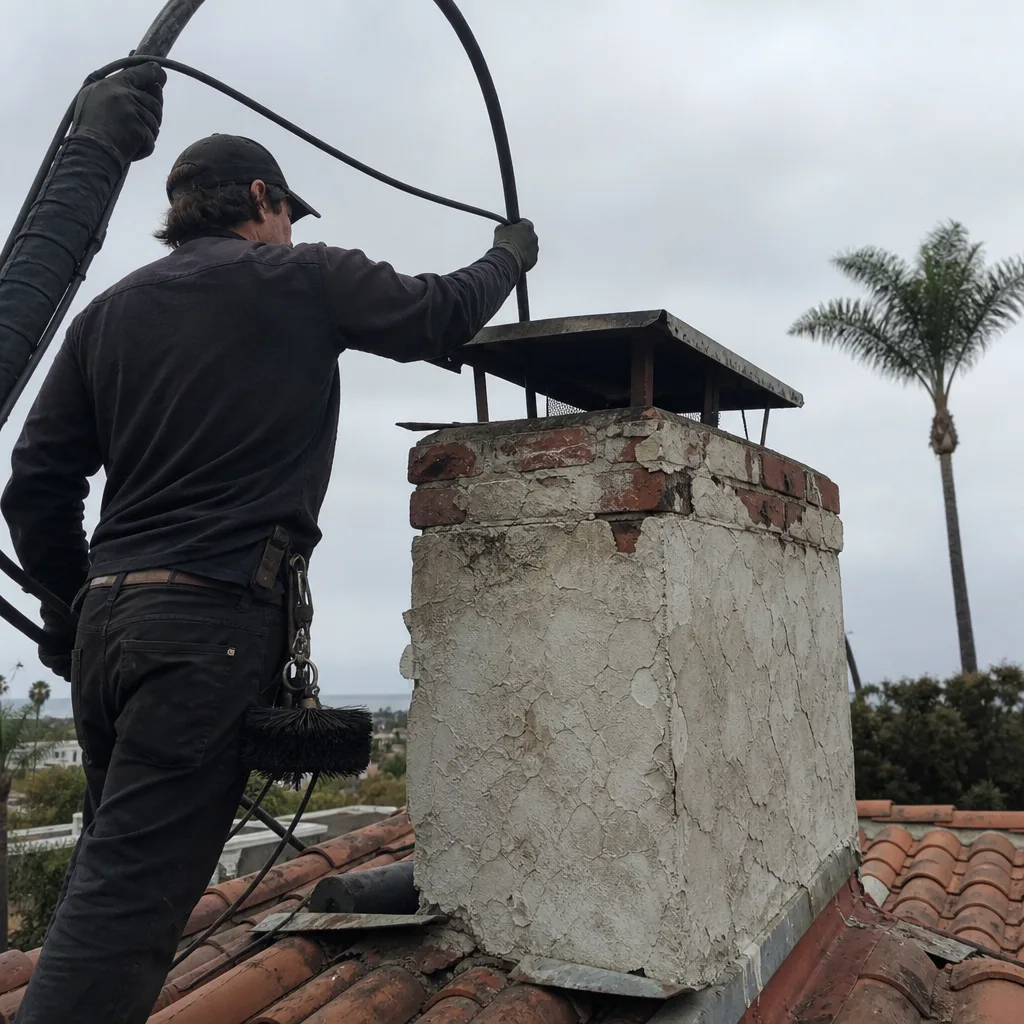
- Mechanical cleaning. Wire or poly brushes sized to your specific flue diameter run the full length of the chimney. For terra cotta liners, a traditional wire brush does the job. For stainless steel liners, a poly brush prevents scratching. The right brush matters more than most homeowners realize.
- Flue inspection. After cleaning, the interior is inspected. This is where a good sweep differs from a brush-only operation. We’re looking for cracks, spalling (flaking terra cotta), gaps between tile sections, and discoloration that indicates moisture penetration or acidic attack.
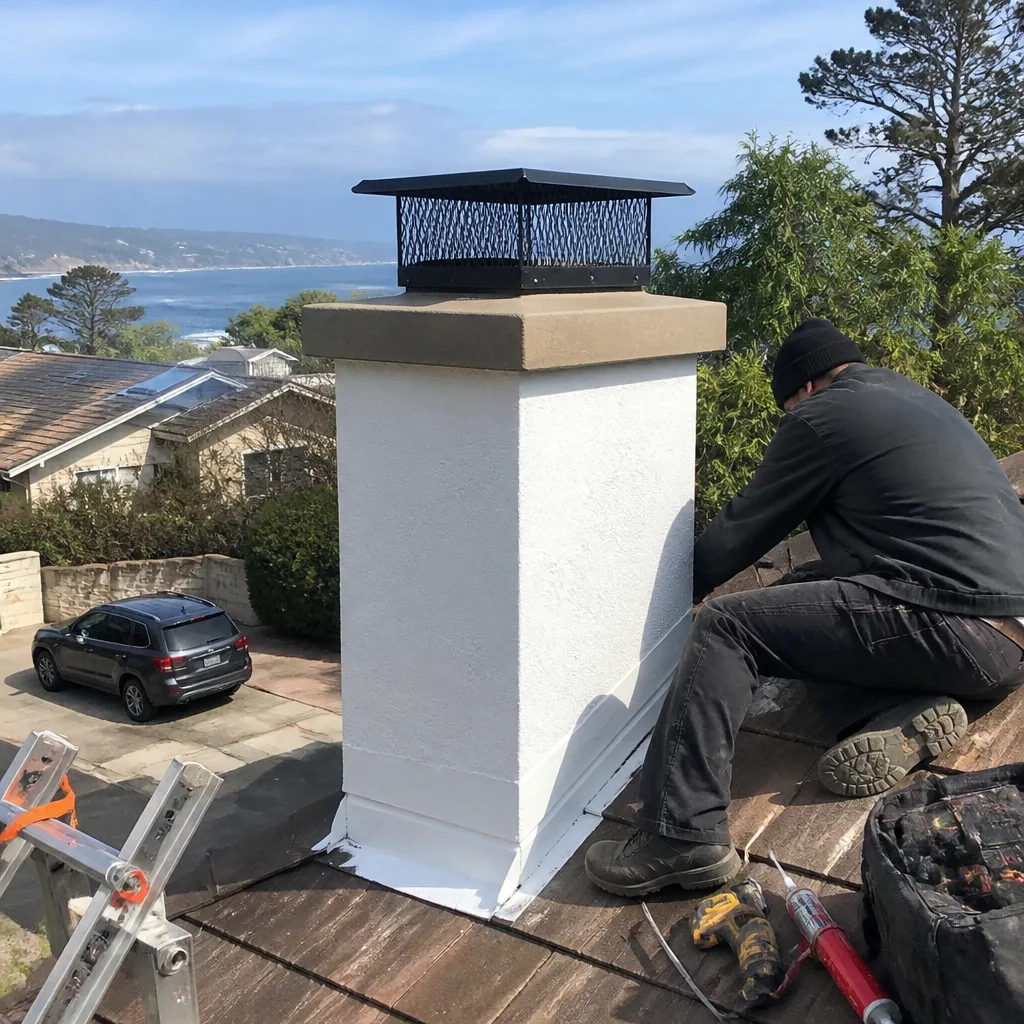
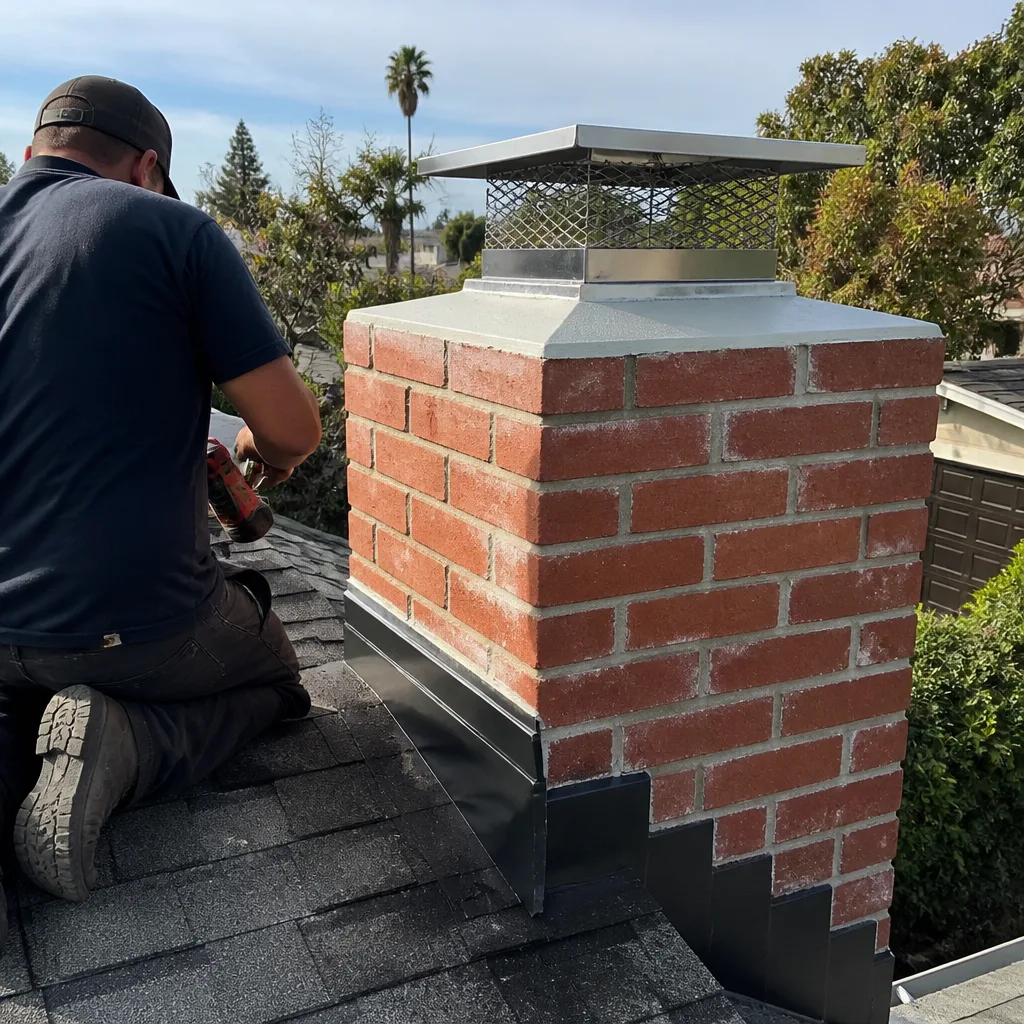
- External inspection. The crown, cap, flashing, and mortar joints get examined from the roofline. In La Jolla, this step is non-negotiable. Salt air corrodes these components faster than almost any other climate in California.
- Reporting. You should receive a written or photo-documented summary of what was found, what was cleaned, and what (if anything) needs attention. We’ll tell you exactly what we found, and show you. Camera images are included when a liner is suspect.
The entire process typically takes 45 to 90 minutes depending on flue condition, roof access, and whether the fireplace has been used since the last cleaning. Gas fireplaces take less time but still require inspection of the log set, burner, and venting.
Why La Jolla’s Salt Air Changes Everything
La Jolla sits directly on the Pacific. The ocean doesn’t just shape the view, it shapes the rate at which chimney materials break down. Salt-laden air, combined with persistent marine layer humidity, creates an environment that inland chimney guides never address.
Here’s what we see on coastal chimneys that you won’t find in a generic chimney guide:
- Accelerated cap and crown corrosion. Galvanized steel caps in La Jolla corrode visibly within five to seven years. The same cap lasts a decade or more in El Cajon or Poway. Salt spray deposits sit on the metal and create a continuous corrosion cycle that inland humidity never produces.
- Mortar joint erosion. The crown mortar and the mortar between bricks on the exterior chimney stack absorb moisture from fog and marine air. When that moisture carries dissolved salt, it crystallizes inside the pores of the mortar as it dries. The crystals expand and fracture the mortar from within. This is a geological process, not a cleaning issue.
- Flashing failure at the roofline. Salt accelerates galvanic corrosion where dissimilar metals meet, which is exactly what happens when galvanized flashing is nailed to a chimney chase or when aluminum flashing contacts copper components. La Jolla homes built near the coast show flashing deterioration years earlier than identical construction inland.
- Staining that isn’t cosmetic. White efflorescence on a brick chimney isn’t just ugly. In coastal environments, it indicates water has been moving through the masonry and carrying minerals to the surface. That water movement is what eventually spalls brick faces and cracks the crown.
A proper chimney sweep in La Jolla includes exterior inspection as a core part of the job, not an add-on. If a sweep never goes on the roof, they’re missing half the picture.
The Low-Use Fireplace Problem Nobody Mentions
Here’s the counterintuitive part. Fireplaces that get used heavily build up creosote, but creosote is an expected, visible byproduct of wood combustion and it’s what chimney sweeping is designed to remove. Fireplaces that get used rarely develop a different problem entirely.
When a fireplace burns occasionally in La Jolla’s damp, salt-heavy air, three things happen:
- Acidic condensate forms during short burns. A fire that lasts 45 minutes never fully warms the flue. The combustion gases cool rapidly as they rise through a cold chimney and condense on the liner walls. That condensate is mildly acidic. Over years of short, occasional fires, it etches terra cotta flue tiles, creating a rough, pitted surface that then holds more condensate. It becomes a self-accelerating cycle.
- Moisture sits in the flue for months. A chimney that gets used in December and then sits idle through May collects damp marine air continuously. That moisture combines with the acidic residues from the last burn. The liner is essentially marinating in a weak acid bath for half the year.
- Small animal activity goes unnoticed. Birds, squirrels, and raccoons find their way into chimneys with damaged or missing caps. In a heavily used fireplace, the first fire of the season usually drives them out (or reveals them dramatically). In a rarely used fireplace, a nest can sit undisturbed for months, adding flue obstruction and debris to whatever the salt and condensate are already doing.
This is why a standard Level 1 inspection, which is what most “sweep and go” companies perform, misses the problem. A Level 1 inspection is visual only, from the top and bottom with no camera. It catches obvious creosote buildup and visible blockage. It does not catch early-stage terra cotta erosion, hairline cracks in the mid-flue, or acidic pitting that hasn’t yet caused a structural break. A Level 2 inspection, which includes a camera scan of the flue interior, is what coastal homes with low-use fireplaces should receive. In our experience, this is the single biggest gap between what La Jolla homeowners think they’re getting and what a chimney actually needs.
Cleaning-Only vs. Diagnostic Sweep: What Gets Missed
The core difference between a cleaning-only sweep and a full diagnostic sweep comes down to what the sweep is looking for while the brush is working. A cleaning-only technician is focused on removing deposits. A diagnostic technician is reading the deposits for clues.
Here’s what a cleaning-only scope misses:
- The significance of glossy creosote. Stage three creosote is shiny, hardened, and indicates previous chimney fire temperatures. It can’t be removed by brushing alone. If a sweep doesn’t flag it, you’re left with a fire risk that looks “clean” but isn’t.
- Terra cotta cracks behind light soot. Light soot doesn’t mean a healthy liner. We regularly find cracked flue tiles in chimneys that have been swept annually because the previous sweep never looked past the soot layer.
- Improperly sized flues. An oversized flue cools combustion gases too quickly, which is exactly what accelerates the acidic condensate cycle described above. A diagnostic sweep measures the flue and cross-references it with the fireplace opening and appliance rating. Cleaning-only sweeps don’t measure anything.
- Ventilation issues in the firebox itself. Smoke rollouts, staining above the fireplace opening, and backdrafting all point to airflow problems. Sometimes it’s a flue sizing issue. Sometimes it’s negative pressure from the house. Either way, simply brushing the flue doesn’t address why the fireplace doesn’t draw properly.
- Moisture intrusion paths. A diagnostic sweep traces where water is entering. Cracks in the crown, a rusted damper assembly, missing cap screening, failed flashing, all of these show up in a careful inspection. The brush removes the soot. It doesn’t stop the leak.
The reason this matters for La Jolla specifically is the low-use factor. A cleaning-only sweep is calibrated for wood-burning fireplaces in cold climates that get 50 to 100 burns per year. The primary concern is creosote accumulation. That’s simply not the primary concern for a La Jolla fireplace that gets lit 8 times between November and February. The primary concern is what happens during the other 357 days, and that requires a different set of inspection priorities.
Liner Repair Materials, Explained Without the Jargon
When a chimney liner shows damage, homeowners face a decision that’s often presented with unnecessary confusion. Here’s what the materials actually are, in plain terms, and when each one is appropriate.
HeatShield is a ceramic resurfacing system. Think of it as a durable mortar-like coating applied directly to the inside of an existing terra cotta or clay liner. It restores a smooth, continuous surface to a flue that has cracks, gaps, or eroded joints. It’s appropriate when the underlying liner is structurally intact but the interior surface has failed. It avoids a full demolition. It’s a less invasive, lower-cost repair path when conditions allow, and it’s a solution that many sweep-only companies don’t offer because it requires specific training and application equipment.
DuraFlex is a stainless steel flexible liner system. It’s used when the existing flue cannot be restored through resurfacing, either because the terra cotta has cracked through completely, the flue is improperly sized for the appliance, or the chimney has shifted. DuraFlex is a full relining solution, installed inside the existing chimney as a new, continuous flue. It’s a brand name you’ll encounter in professional chimney work because it’s built to the standards that chimney professionals specify, not the lighter-gauge products sold at retail.
When is a repair actually needed? Honestly, not every crack requires immediate action. Here’s the framework we use:
- Hairline cracks with no flue gas leakage: Monitor. Sweep annually, camera inspect every two years.
- Gaps or offset tile joints in the flue: This is a real defect. HeatShield resurfacing is often the right call if the structure around the gap is sound.
- Full-thickness cracks, shattered tiles, or missing sections: A DuraFlex liner is the safe and correct fix. These defects allow flue gas and heat to reach combustible framing.
- Flue sizing mismatch: A liner may need to be installed regardless of the condition of the existing clay tile, simply because the flue was never the right size for the fireplace. This is surprisingly common in older La Jolla homes.
A reputable chimney company will tell you when a repair can wait. The right material for the repair, not just what’s on the truck, is the principle. If a company only installs one type of liner or coating, their recommendation may have more to do with their inventory than your chimney.
A Seasonal Timeline for La Jolla Fireplaces
Generic advice says “sweep your chimney every fall.” La Jolla doesn’t have a fall in the way that advice assumes. Our fire season is compressed into the coolest months, and the preparation should account for the long damp offseason that follows.
Here’s a timeline calibrated to La Jolla’s actual weather patterns:
- September to early October: Schedule your annual sweep and inspection. This is before the first cool snap, which in La Jolla typically arrives in late October or November. Getting the sweep done in the September/October window means the chimney is clean, dry, and ready for the first fire instead of waiting for a cold evening and hoping the chimney isn’t a problem.
- November to February: This is the active fire season. It covers the holiday period when fireplaces get their heaviest use. If you haven’t swept by December and you’re lighting fires, you’re rolling the dice on whatever has accumulated since May.
- March: Schedule any repair work identified during the winter season. March is the transition month. The weather is mild enough for masonry work and liner installation, and you’re not competing with the pre-winter rush.
- April to August: This is the longest stretch without fire use, and it’s when the slow damage happens inside the flue. It’s also the ideal window for larger projects like full liner replacement or crown rebuilding. Materials and schedules are more flexible than the fall rush. The work gets done before the next fire season starts, not during it.
One clarification based on the “sweep every fall” rule: for a wood-burning fireplace that gets even occasional use, an annual sweep is right. The nuance for La Jolla is timing and scope. Annual cleaning, with a camera inspection every two to three years, is the sweet spot for most coastal homes. If you have a gas fireplace that gets used regularly, annual inspection without the full brush work may be appropriate, but the exterior and venting still need eyes on them.
What It Costs to Sweep a Chimney in La Jolla
Chimney sweeping prices in La Jolla run slightly higher than inland San Diego because of roof access patterns, the age of housing stock in neighborhoods like Bird Rock and La Jolla Shores, and the inspection scope a coastal home genuinely needs.
- Standard sweep and Level 1 inspection: $195 to $275. This is the basic sweeping service with visual inspection from roof and hearth. Appropriate for fireplaces swept within the last 2 years with no known issues.
- Sweep with Level 2 camera inspection: $325 to $425. The camera adds $100 to $150 to the base sweep. For La Jolla homes with low-use fireplaces that haven’t been camera-inspected in several years, this is the inspection we recommend.
- Dryer vent cleaning (separate service): $145 to $225 depending on vent run length and accessibility. Many La Jolla homes have laundry rooms in interior locations with long vent runs to the exterior, which increases the cost.
- HeatShield resurfacing: $1,800 to $3,200 depending on flue height and the number of sections requiring treatment. This is a targeted repair, not a full liner replacement.
- DuraFlex stainless liner installation: $2,800 to $5,500 depending on the flue size, roof pitch, and whether the existing chimney requires prep work.
These are La Jolla market ranges we see in 2025. Every home is different, which is why estimates should be free and specific. The important thing is understanding that the “cheap sweep” price often reflects a cleaning-only scope that skips the exterior inspection or the camera work that a coastal chimney requires. We price by the scope of the job we agree to in advance, not by what we find once we’re on the roof.
Common Mistakes to Avoid
- Skipping the sweep because the fireplace is “hardly ever used.” This is the most dangerous assumption a La Jolla homeowner can make. Low use creates its own set of problems, and they’re slower to reveal themselves than creosote buildup.
- Hiring a sweep who never goes on the roof. If the technician doesn’t physically inspect the crown, cap, and flashing, you’re paying for half a service. Coastal corrosion happens at the roofline first.
- Accepting a “cleaning” as a full assessment. Cleaning is step one. We stay to handle what cleaning uncovers. A brush through the flue tells you nothing about liner condition, moisture entry, or flue sizing.
- Waiting until November to schedule. The first cool weekend creates a booking rush. You’ll wait longer, and if the sweep uncovers a repair need, you’ll either delay the repair or miss part of the short fire season.
- Ignoring the dryer vent. Your dryer vent is a fire hazard too. A home that rarely uses its fireplace but does laundry twice a week may have a more significant lint accumulation risk in the dryer vent than in the chimney.
- Assuming a gas fireplace needs no maintenance. Gas logs still vent combustion products through the flue. The venting, cap, and exterior components face the same salt air exposure as wood-burning chimneys. Annual inspection still applies.
- Painting or sealing the chimney exterior as a “fix.” Waterproof sealers on a chimney that already has moisture trapped inside accelerate spalling by trapping the moisture. A proper diagnosis identifies the water entry point first. Sealers come after, and only when appropriate.
When to Call a Professional
Call a chimney professional if you notice any of these: water in the firebox after rain, white staining on the exterior brick or chimney face, a rusted or missing chimney cap, smoke entering the room when the fireplace is lit, visible cracks in the firebox or exterior masonry, or if you haven’t had the flue inspected in more than two years. Any one of these signals a condition that cleaning alone won’t resolve. For dryer vents, call if you notice longer drying times, a burning smell from the laundry area, or visible lint accumulating around the vent termination outside. Chimney Sweep La Jolla offers free estimates throughout La Jolla, including Bird Rock, La Jolla Shores, La Jolla Village, and Muirlands, call (833) 952-1418.
Frequently Asked Questions
For wood-burning fireplaces, schedule our Chimney Sweep services annually regardless of how often you light fires. For gas fireplaces, an annual inspection is appropriate, with full cleaning as needed. La Jolla’s low-use pattern doesn’t reduce the cleaning need, it changes what the inspection should look for.
A standard sweep with Level 1 inspection runs $195 to $275. A sweep with camera inspection and diagnostic scope runs $325 to $425. The camera work is strongly recommended for coastal homes with low-use fireplaces because it’s the only way to assess liner erosion the Level 1 inspection can’t see. Call (833) 952-1418 for a free estimate specific to your chimney and roof type.
A Level 1 inspection is visual and verifies basic soundness with no camera. A Level 2 includes a camera scan of the flue interior and is more thorough. For La Jolla homes near the coast, a Level 2 inspection every 2 to 3 years is the practical standard because of what salt air and damp conditions do to liners over time.
We don’t recommend it unless you had a clean inspection within the past year. The risk isn’t just creosote buildup, which is often modest in La Jolla fireplaces, it’s the unknown condition of the liner, cap, and flashing after months of coastal moisture. The first fire of the season puts heat through whatever has accumulated or deteriorated since spring, which works better if you’ve had a look first. Call (833) 952-1418 and we’ll tell you what we see.
White efflorescence means water is moving through the masonry. In La Jolla, the most common sources are failed crowns, cracked mortar joints, and flashing failures at the roofline. The staining itself is cosmetic, but the water movement causing it isn’t, and over time it degrades brick faces and allows moisture into the flue.
Yes. La Jolla’s infrequent-use pattern creates acidic condensate damage inside the flue during the long damp offseason. That’s a slow process that a routine sweep won’t necessarily catch unless the inspection is looking for it specifically. A camera inspection every couple of years is the most reliable way to confirm that a low-use fireplace liner remains sound, as explained in The Complete Guide to Chimney Cleaning in La Jolla. Call (833) 952-1418 for a free estimate.
The Bottom Line
A chimney in La Jolla lives in a different environment than a chimney in Denver, and it should be inspected with that in mind. Salt air attacks the cap, crown, and flashing. Infrequent fires leave flue liners exposed to acidic condensate and damp marine conditions for months at a time. The annual sweep matters, but what matters more is the scope of the inspection behind it. Cleaning is step one. We stay to handle what cleaning uncovers. If you’re a La Jolla homeowner, the smartest move is a camera-inspected sweep before fire season, a working knowledge of your liner’s condition, and attention to the other fire-risk exhaust in your home, the dryer vent.
Written by the team at Chimney Sweep La Jolla, serving La Jolla since 2015. Explore more guides & resources.
See the difference
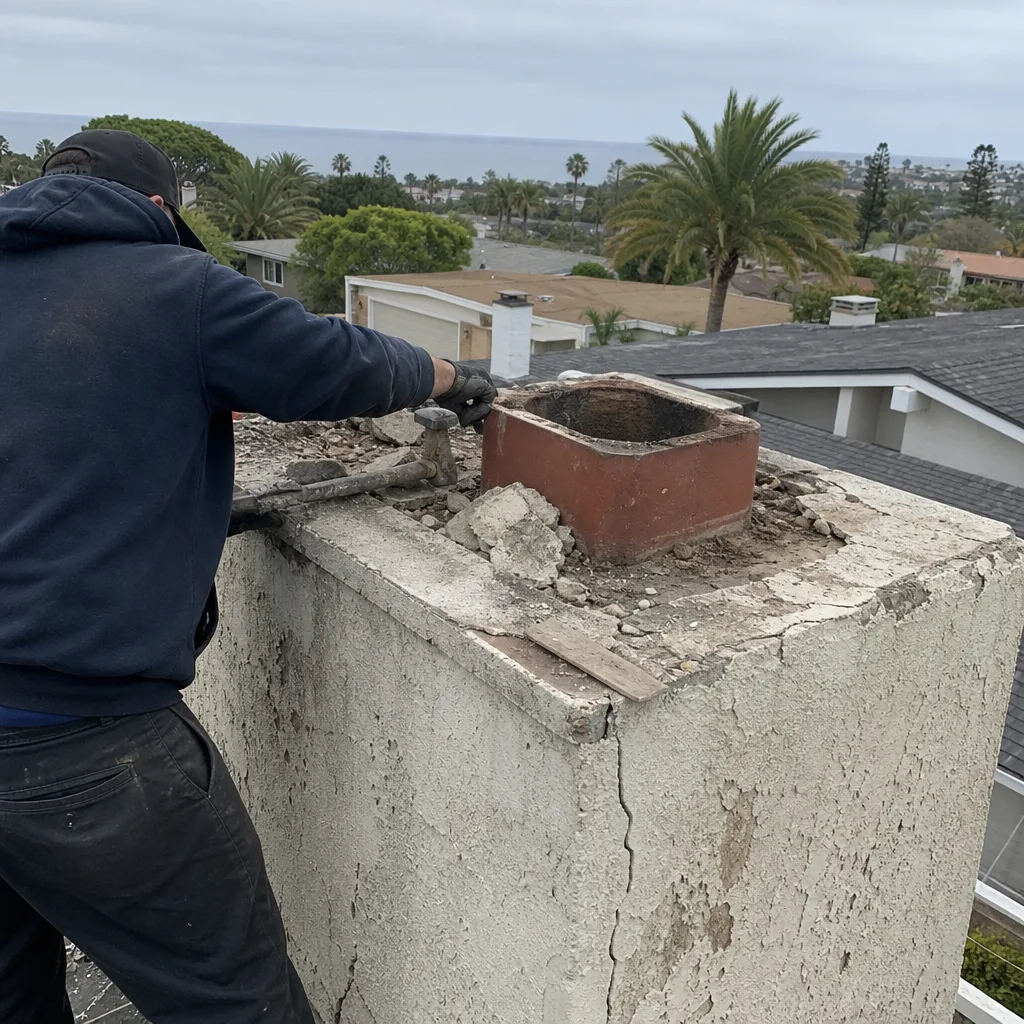 Before
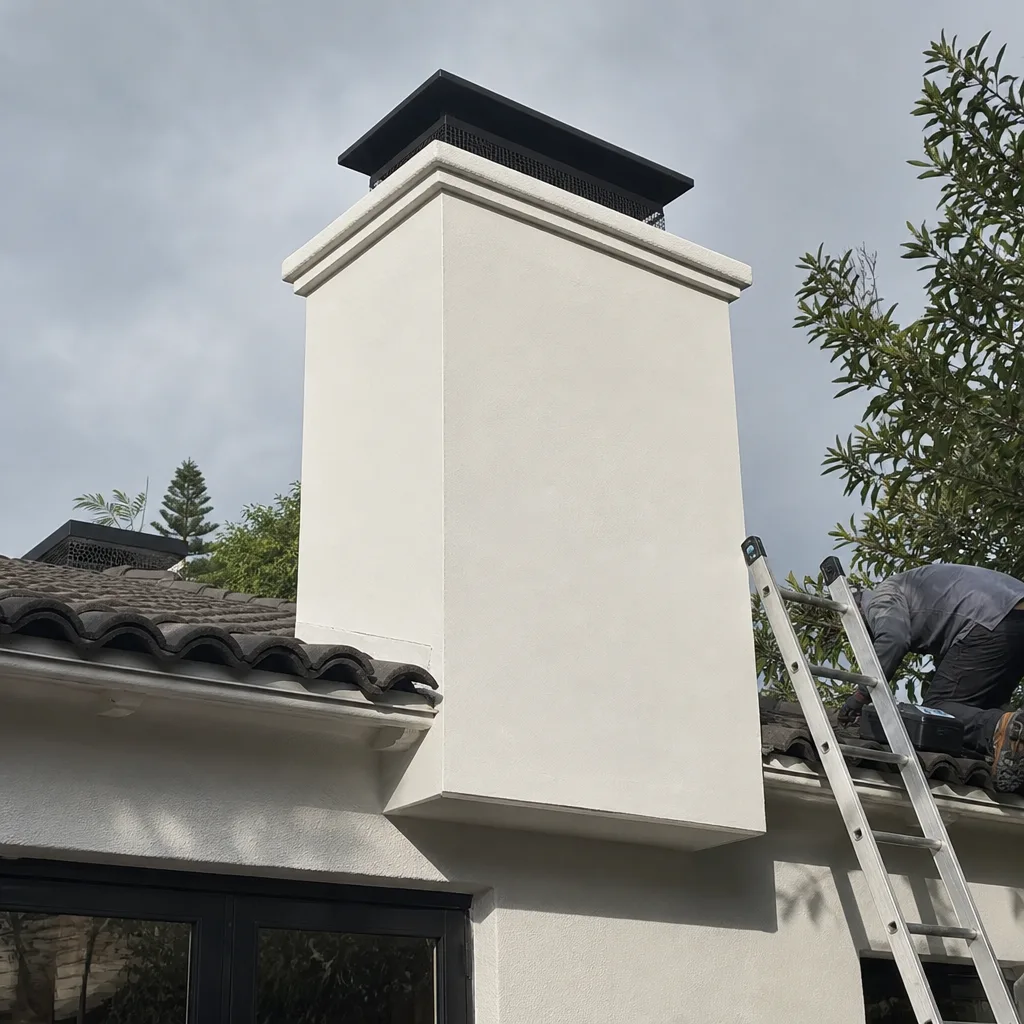 After
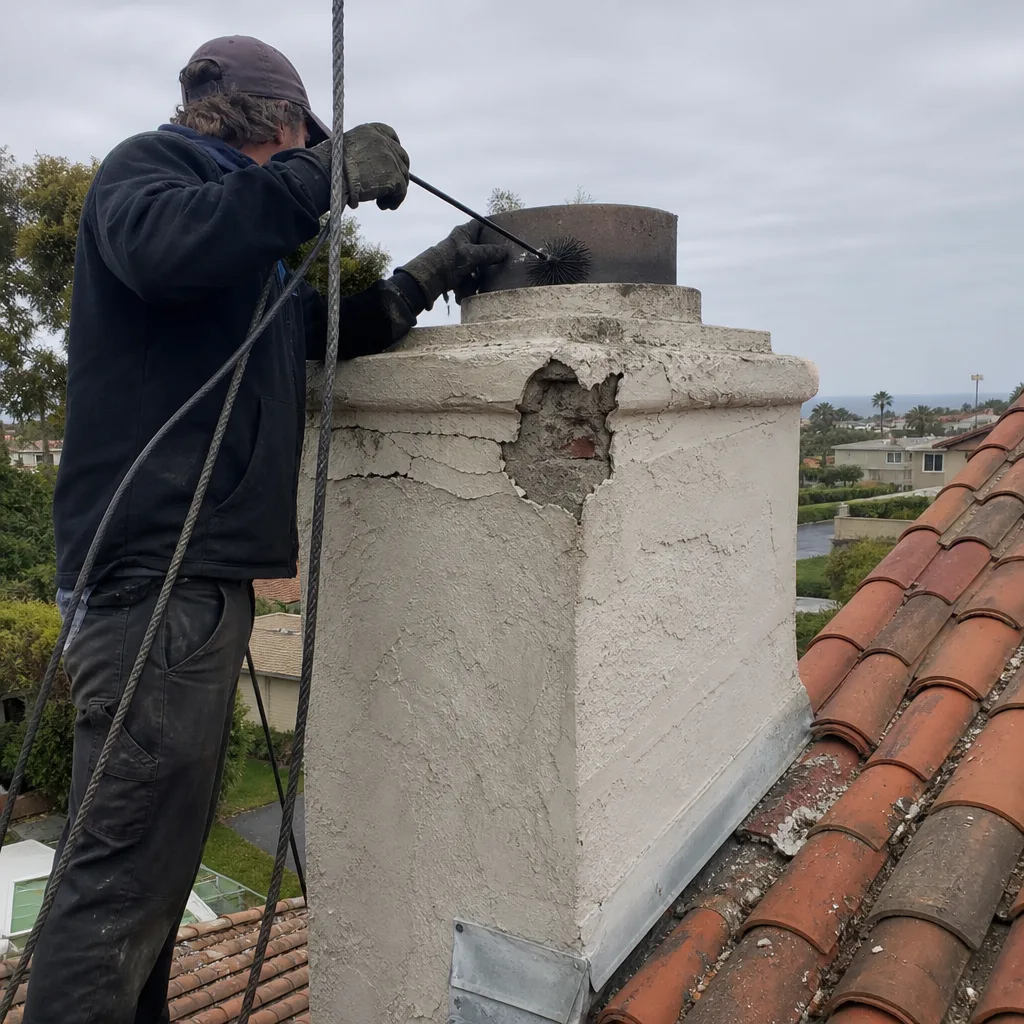 Before
 After
 Before
 After