
Last updated November 2, 2026
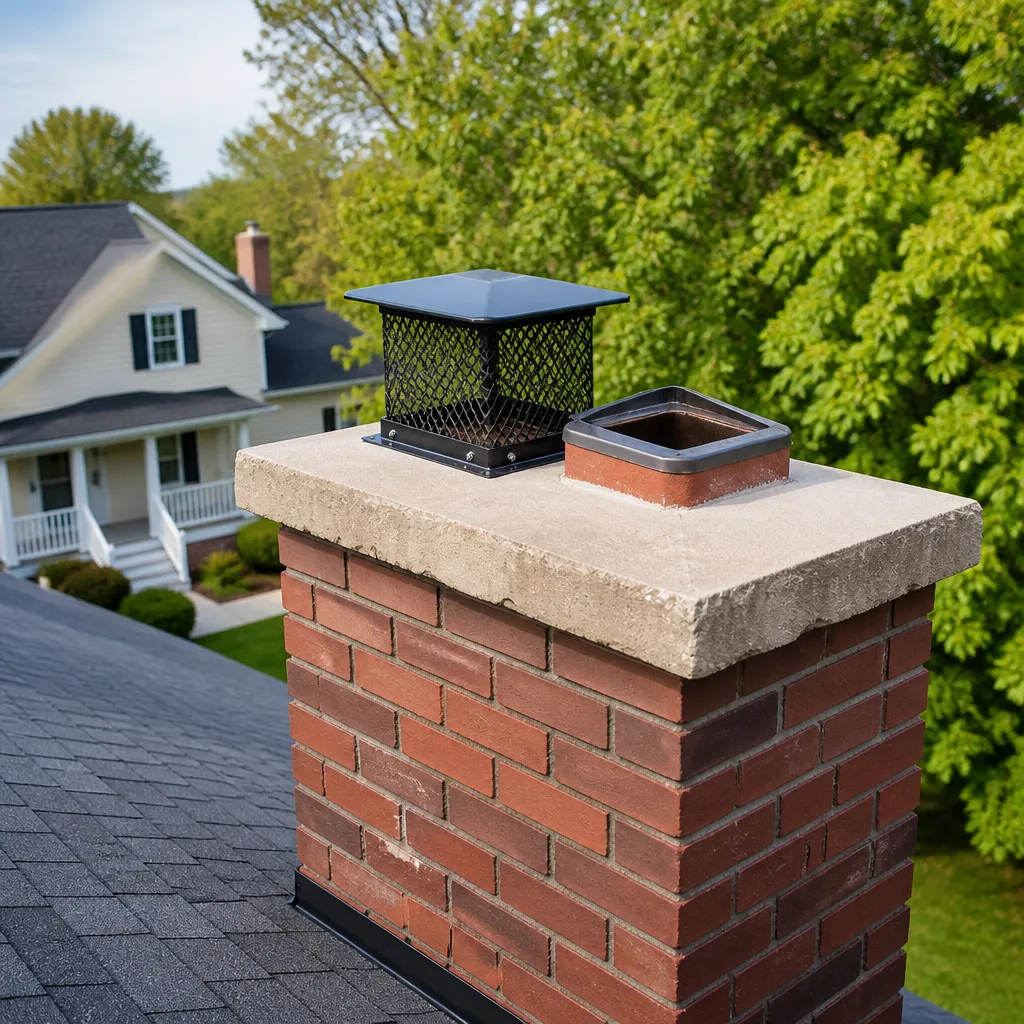 Sweep & inspection
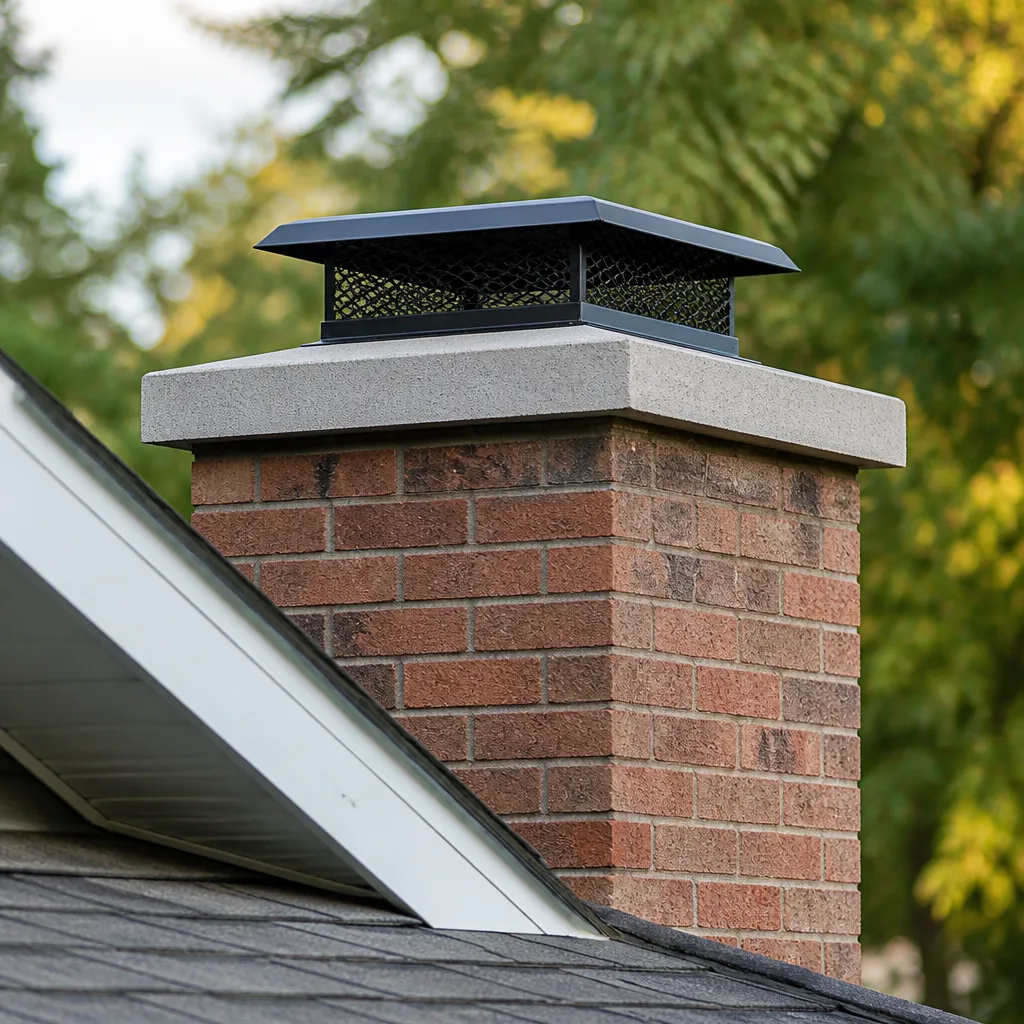 Caps & crowns
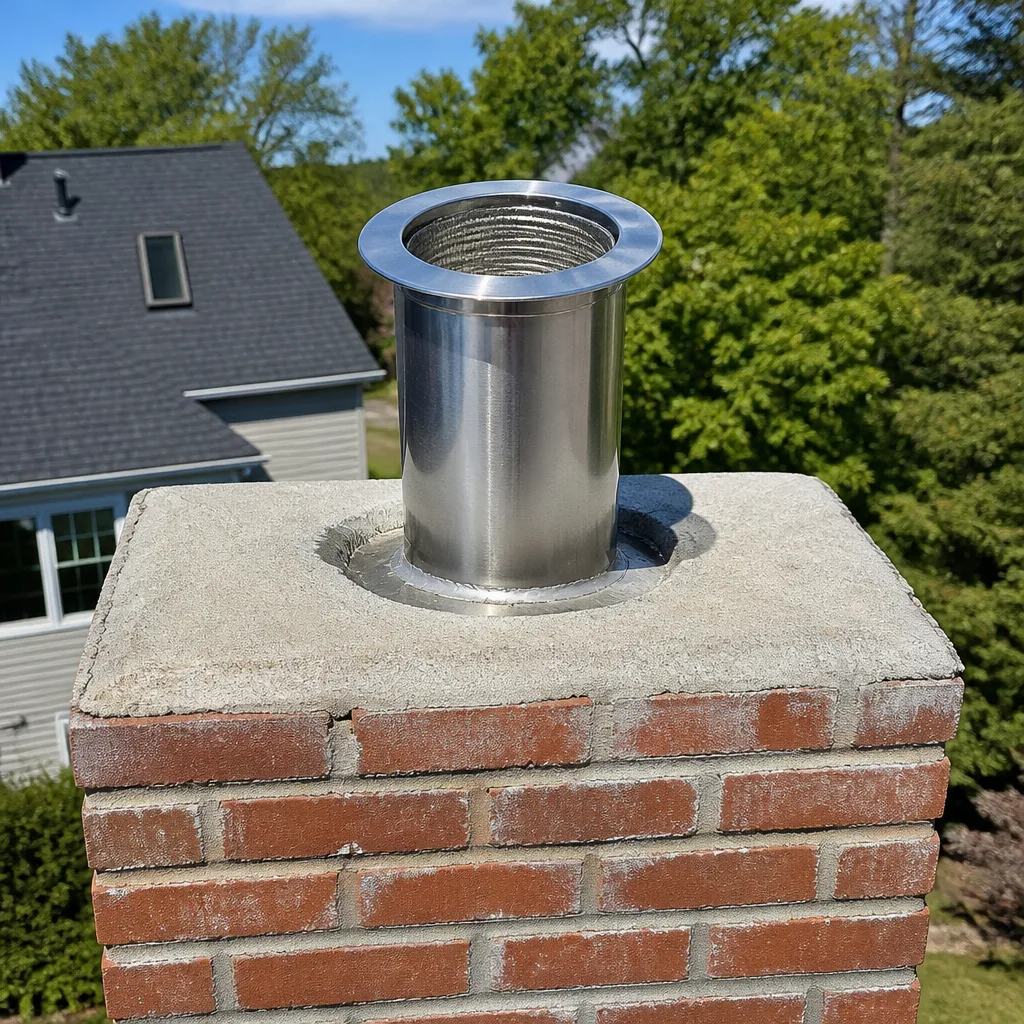 Flue relining
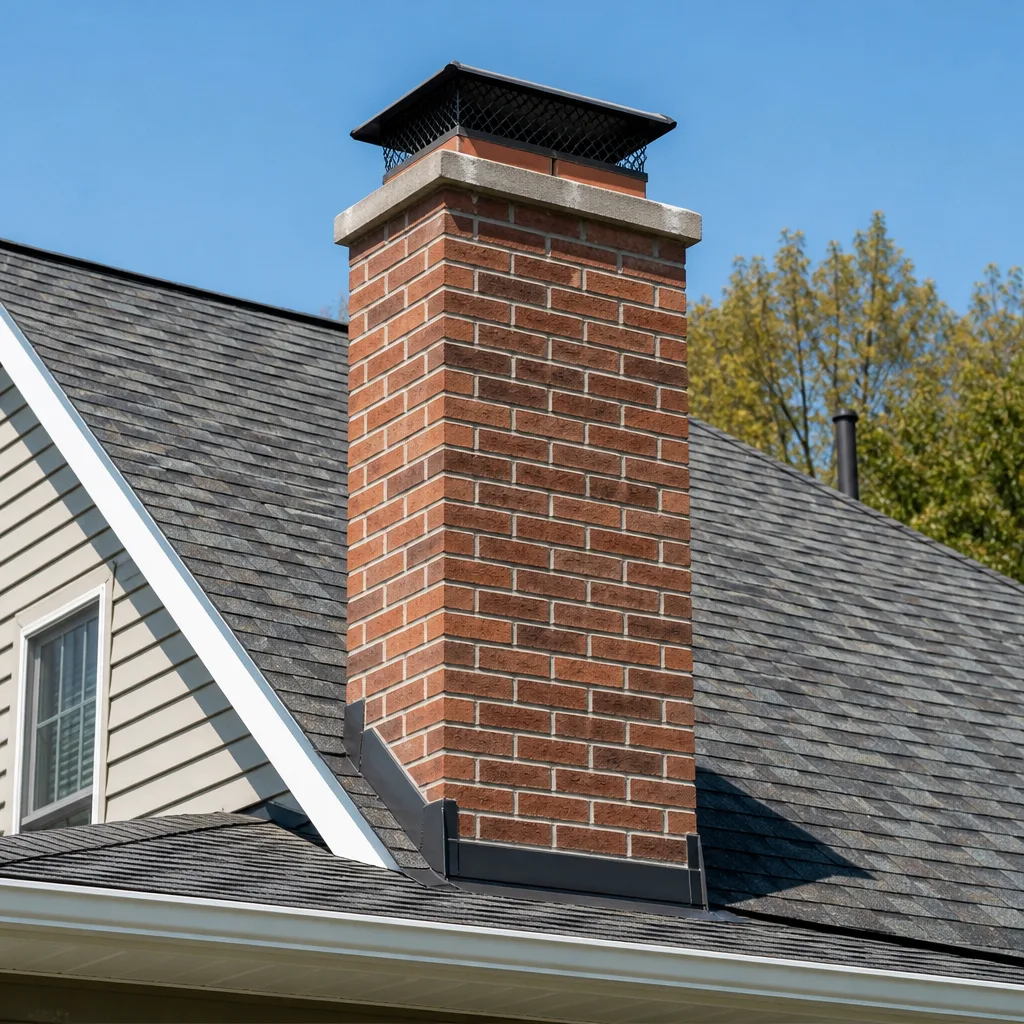 Masonry repair
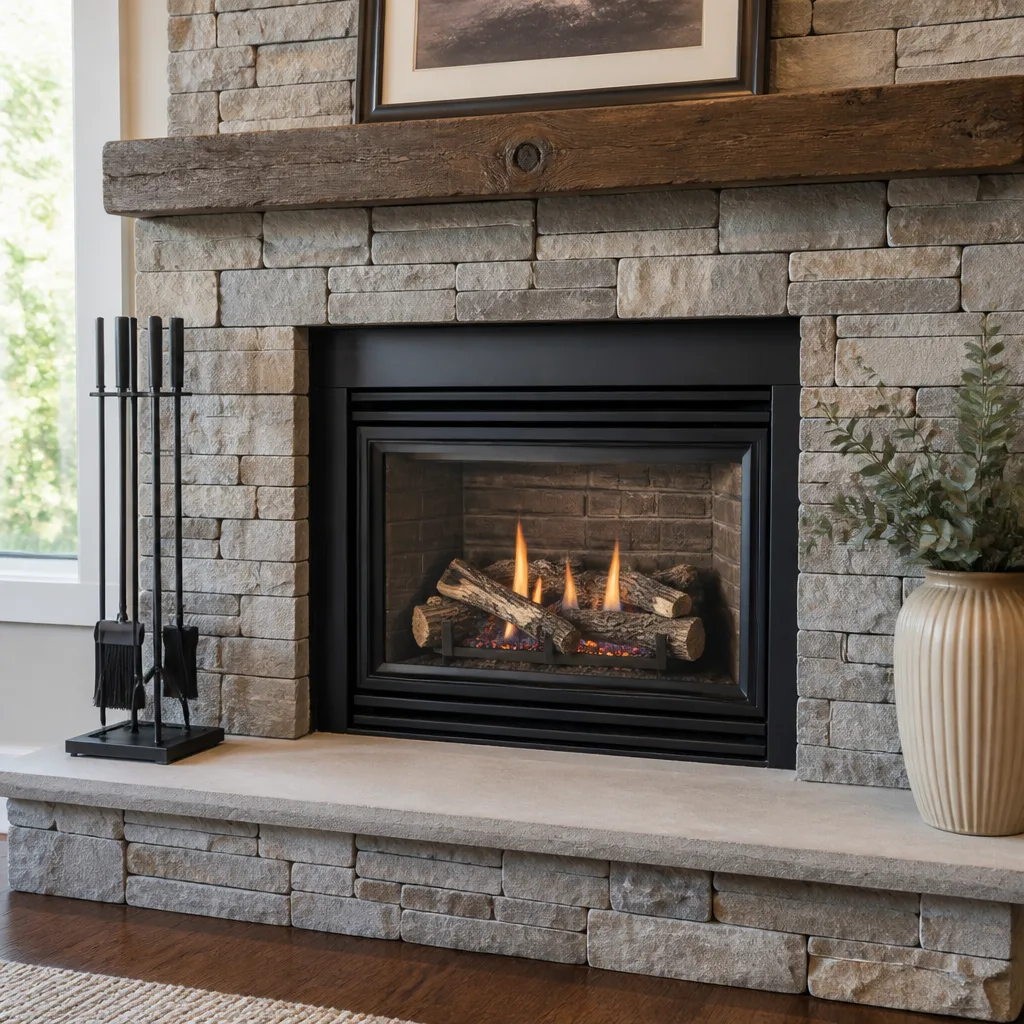 Gas fireplace service
Level 1 sweep and inspection to the NFPA 211 annual standard - flue, crown, cap, and flashing checked and photographed
Chimney sweep logs do not sweep chimneys. They loosen some creosote - which then falls where a brush and vacuum still have to collect it.
How to Hire a Chimney Cleaning Contractor in La Jolla: A Step-by-Step Guide
The $49 chimney sweep special is real, and it’s everywhere in San Diego County. It involves a quick brush pass, no camera, no written report, and no liability if something is missed. Homeowners in La Jolla call us after these appointments more often than we’d like, holding a receipt and wondering whether anything was actually accomplished. This guide gives you the exact screening questions, verification steps, and red flags to separate a diagnostic chimney professional from someone who showed up with a brush and left before you could ask about the flue liner.
Quick Answer
To hire a chimney cleaning contractor in La Jolla, verify CSIA certification independently on the CSIA website, confirm the company carries general liability insurance that covers masonry work, ask whether the sweep includes a camera inspection with written photo documentation, and get a flat-price quote before booking. A legitimate La Jolla chimney professional will show you what they found on video and put it in writing. If a company won’t do both, keep looking.
Styles & brands we work with
- Sweep & inspection
- Caps & crowns
- Flue relining
- Masonry repair
- Gas fireplace service
Table of Contents
- Why La Jolla Chimneys Need a Different Standard
- What CSIA Certification Actually Means (and How to Verify It)
- Five Questions to Ask Before You Book
- The Written Post-Inspection Report: What It Must Include
- Evaluating Before-and-After Camera Footage Like a Pro
- San Diego-Specific Red Flags That Get Missed
- What a Chimney Sweep in La Jolla Actually Costs
- Common Mistakes to Avoid
- When to Call a Professional
- Frequently Asked Questions
Why La Jolla Chimneys Need a Different Standard
La Jolla’s coastal environment creates chimney conditions you won’t find in El Cajon or Escondido. Salt air accelerates mortar deterioration on exterior chimney crowns and caps. Marine-layer moisture combines with creosote to form a sticky, acidic residue that clings to flue walls differently than the dry, flaky creosote common in inland communities. And many La Jolla homes were built between the 1950s and 1980s, which means terra cotta flue liners that have been absorbing decades of thermal stress and salt exposure.
These conditions mean a visual-only inspection often isn’t enough. A flue liner can look acceptable from the top while hiding hairline cracks or spalling along its full length. We’ve pulled camera footage from La Jolla chimneys that looked clean from the roof but revealed missing mortar joints and separated liner sections at the midpoint. That’s why the standard matters: a contractor who cleans without looking – really looking, with a camera – is guaranteeing the surface, not the system.
La Jolla also has a high concentration of older masonry fireplaces paired with wood-burning habits that vary by season. Coastal homeowners often burn more frequently in the damp winter months than their inland counterparts, and they burn in shorter, smokier bursts because the fireplace is secondary to central heat. That pattern produces creosote buildup that’s harder to remove and more likely to conceal damage beneath it. A proper chimney sweep in La Jolla accounts for this local burning pattern when they assess what they’re seeing.
What CSIA Certification Actually Means (and How to Verify It)
CSIA stands for the Chimney Safety Institute of America, and it’s the most widely recognized credential in the industry. A CSIA-certified sweep has passed an exam covering fire codes, clearances, construction standards, and inspection protocols. They also complete continuing education to maintain the credential. But here’s what matters more: CSIA certification is verifiable, and you should verify it every time.
Go to the CSIA website’s “Find a Certified Professional” directory and type in the company name or the technician’s name. If they’re not there, they’re not currently certified. It takes thirty seconds. The certification number on a business card or website is meaningless unless it checks out in the directory.
We’ll be direct about this: certification is a baseline, not a guarantee of thoroughness. A CSIA-certified tech can still choose to do a surface-only job. But certification signals that the person has demonstrated knowledge of how chimneys actually function, what the code requirements are, and what a proper inspection involves. It also gives you recourse: CSIA has a complaint process for certified professionals who violate standards of practice.
In La Jolla, you’ll encounter companies using the word “certified” loosely. Some are “certified” by a manufacturer to install a specific product. Some are “certified” by an internal training program with no external oversight. Some are certified by a duct-cleaning franchise that added chimney services as an upsell. Ask directly: “Are you CSIA certified, and under what name is that certification registered?” Then check the directory. If the answer is anything other than a clear yes with a verifiable listing, move on.
Beyond CSIA, chimney repair work in La Jolla may require familiarity with NFPA 211 standards, which govern chimneys, fireplaces, and venting systems. A professional who references NFPA 211 when explaining why a clearance is inadequate or a liner needs attention is demonstrating that they’re working from code, not from a sales script. That distinction matters when someone is telling you that you need thousands of dollars of work.
Five Questions to Ask Before You Book
These five questions, asked during the initial phone call, will separate diagnostic sweeps from surface-only services before anyone steps foot in your home. The answers tell you almost everything you need to know.
- “Does the sweep include a camera inspection of the flue interior, and will I see the footage?” If the answer is no, or if there’s an upcharge for the camera, you’re talking to a brush-and-go operation. A proper sweep includes camera documentation. Period. In La Jolla’s coastal conditions, skipping the camera means skipping the diagnostic step that actually matters.
- “Do you provide a written report after the inspection, and what does it include?” The answer should be immediate and specific: yes, and the report includes photos, measurements, and condition notes for the liner, crown, cap, flashing, damper, and smoke chamber. A verbal summary is not a report. If they hesitate, that’s your answer.
- “Are you CSIA certified, and under what business name is the certification registered?” Write down what they tell you. Verify it on the CSIA directory. Don’t skip the verification step just because the answer was confident.
- “Do you carry general liability insurance that covers chimney and masonry work?” A handyman policy often excludes masonry and chimney work because of the roof-access liability. Ask for proof. A legitimate company can provide a certificate of insurance quickly. In La Jolla, where roof pitches and coastal winds make ladder work genuinely hazardous, this isn’t a formality.
- “If your inspection uncovers damage, do you repair it yourself or refer it out?” A cleaning-only company will tell you they’ll refer you to someone else. That’s fine if the referral is legitimate, but understand what you’re getting: a cleaner, not a diagnostician. A full-service chimney company like Chimney Sweep La Jolla home cleans, assesses, and repairs under one roof, which means the person who finds the problem is the person who can explain the fix without a middleman.
Ask all five questions. Listen for specifics. A professional answers each one directly and without defensiveness. Someone who’s been getting away with brush-only work will start hedging somewhere around question two.
The Written Post-Inspection Report: What It Must Include
A written report is the single most important deliverable from a chimney cleaning appointment. It’s proof of what was found, documentation of what was done, and a record you can reference if something changes later. Any contractor who won’t provide one in writing is a liability risk – for you, not for them.
Here’s what a legitimate post-inspection report from a professional sweep should include, section by section:
- Flue liner condition: Material type (terra cotta, stainless, cast-in-place), measured dimensions if accessible, and a written description of any cracks, gaps, spalling, or separation observed on camera. “Liner appears intact” is not enough. You want a description of what they actually saw.
- Creosote buildup level: The NFPA classification system uses three levels – Stage 1 (light soot), Stage 2 (flaky buildup), Stage 3 (glazed, tar-like creosote). The report should state which stage was present and where.
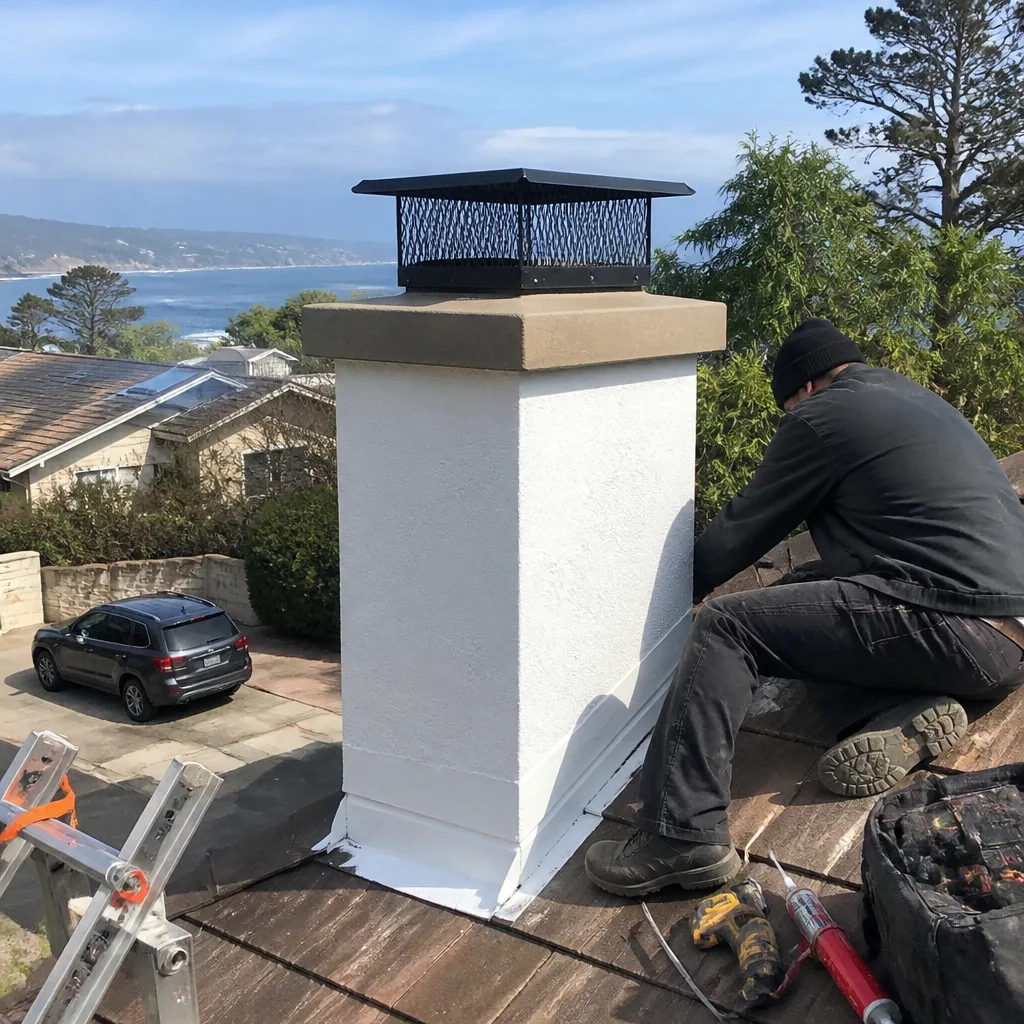
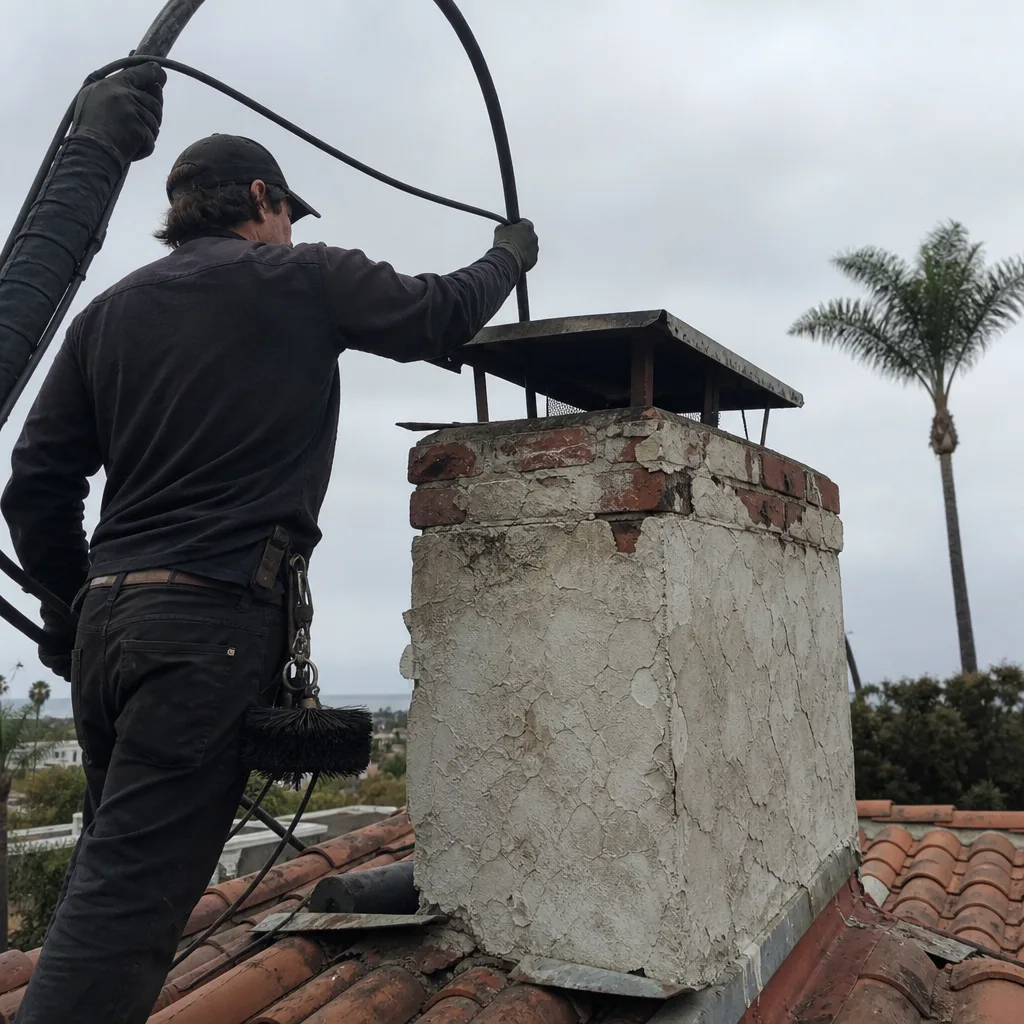
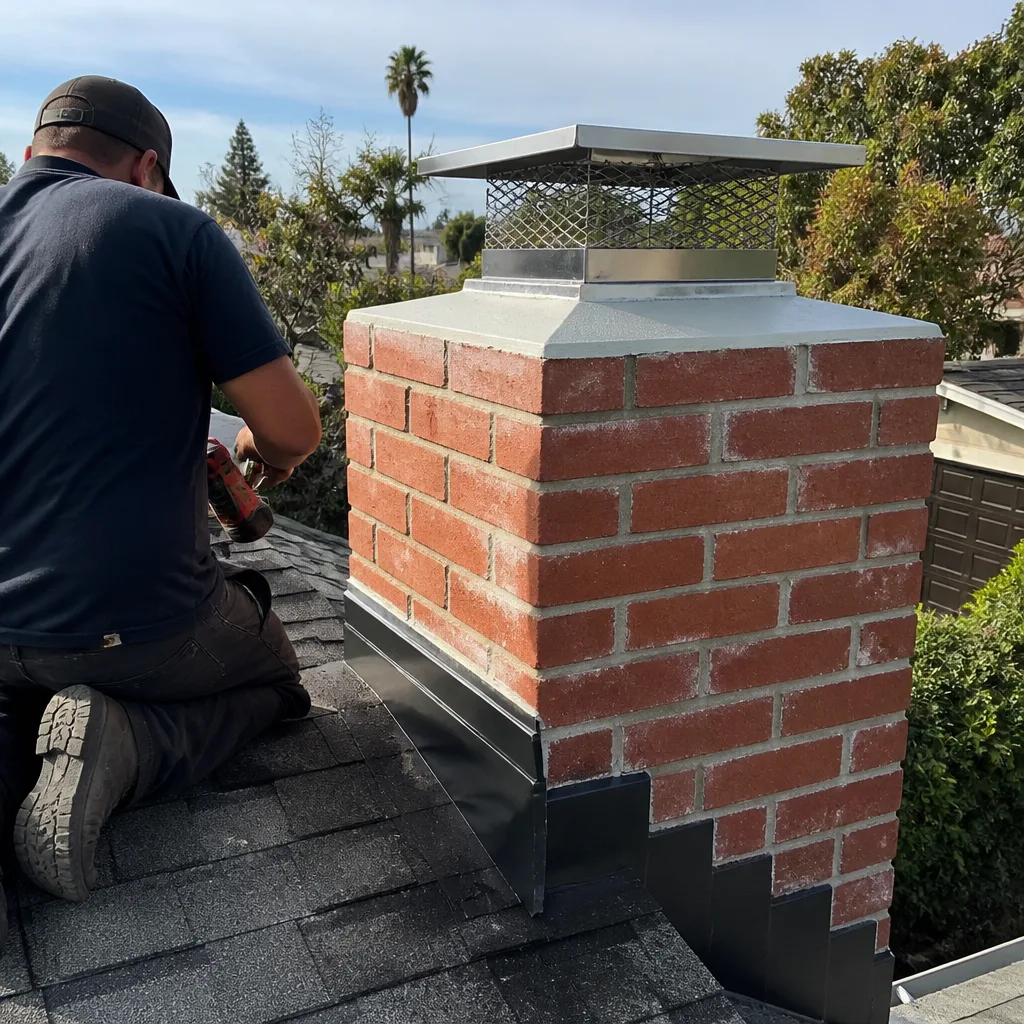
- Chimney crown condition: Cracks, deterioration, or improper overhang. This matters disproportionately in La Jolla because salt air attacks crowns aggressively.
- Cap and spark arrestor status: Present, missing, damaged. A missing cap in La Jolla means salt air and marine moisture get direct access to the flue interior, accelerating every form of deterioration.
- Damper operation: Opens, closes, seals properly – or doesn’t. A damper that doesn’t seal wastes conditioned air year-round in La Jolla’s mild climate.
- Smoke chamber condition: This area behind the damper often gets skipped entirely by surface-level sweeps, but it’s where smoke turbulence and heat concentration cause hidden damage.
- Photos: Dated images from the camera inspection, at minimum of the flue interior, the crown, and any areas of concern. A report without photos is a report you can’t verify.
- Recommended actions: What needs attention now, what can wait, and what’s fine. A professional report separates “recommended” from “required” and tells you why.
The report should be delivered the same day or within 24 hours. It should be dated. It should include the technician’s name. If a company offers to tell you verbally what they found and follow up later with a written report, you may never see it. Insist on written documentation as part of the service. You’re paying for the inspection, not just the brushing.
Evaluating Before-and-After Camera Footage Like a Pro
Camera footage is where the difference between a diagnostic sweep and a surface service becomes undeniable. A proper sweep includes video documentation of the flue interior both before and after cleaning, and the technician should walk you through what you’re seeing. You don’t need to be a chimney expert to evaluate it. Here’s what to look for.
Before footage: You should see the full length of the flue, from the firebox up through the termination. Look for shiny or glassy black deposits – that’s Stage 3 glazed creosote and it indicates high-temperature buildup that’s difficult to remove with standard brushes. Look at the liner joints. In terra cotta systems, you’ll see horizontal seams between sections. If those seams look uneven, displaced, or missing mortar, that’s structural evidence, not cosmetic soot. Look for cracks, which show up as dark lines that don’t disappear when the camera passes. In La Jolla’s older homes, you’re looking specifically for spalling – the flaking and pitting of terra cotta surfaces caused by moisture intrusion and thermal cycling.
After footage: The flue should look visibly cleaner, but more importantly, the after footage should reveal the liner itself. If you’re still looking at a black wall after the sweep, the creosote wasn’t removed. A proper sweep brings you back to the liner material – terra cotta or stainless – so you can actually see its condition. If the after footage still obscures the liner surface, ask why.
Here’s the key distinction: cosmetic soot is a thin, even dark film. Liner damage is geometric – cracks, gaps, displacement, spalled surfaces. A professional technician points these out in real time and pauses the video to show you specific concerns. A brush-and-go operator plays the footage fast and hopes you don’t ask questions. In our experience in La Jolla, camera footage regularly reveals conditions that visual inspection from the roof would miss entirely, including mid-flue liner separation and hidden smoke chamber damage.
If a contractor offers a chimney sweep without camera documentation, they’re offering you a guess. And a guess isn’t worth $49 – or $249.
San Diego-Specific Red Flags That Get Missed
Every market has its own patterns of low-quality chimney service, and San Diego County has some distinctive ones. These red flags are common enough in La Jolla and the surrounding coastal communities that you should treat them as disqualifying on their own.
The “certified” label without a certifying body. A San Diego contractor can call themselves “certified” with no external verification. If the certification isn’t CSIA, ask what it is and who issued it. If you can’t verify it independently, it’s a marketing word, not a credential.
No general liability coverage for masonry work. California doesn’t require all contractors to carry the same scope of coverage. A company doing roof-level chimney work in La Jolla – where many homes sit on steep lots with challenging access – needs insurance that specifically covers that work. Ask for the certificate. If they won’t provide it, they’re operating at your risk.
Subcontracting the repair work. A cleaning company that “partners” with a repair contractor is adding a layer between you and the person doing the work. If the cleaning company won’t stand behind the repair – and they usually won’t, because they didn’t do it – you’re left with a referral and a problem. A full-service chimney company handles cleaning and chimney repair directly.
The duct-cleaning crossover. The cheapest chimney sweeps in San Diego are frequently duct-cleaning companies with a chimney brush attachment. They’re not CSIA certified, they don’t carry masonry insurance, and they don’t diagnose chimneys. They clean ducts, and they’ll brush your flue while they’re there. The equipment fits; the expertise doesn’t. This is the most common source of $49 specials, and it’s the most common path to a missed liner crack that becomes a $4,000 repair.
Local business licensure. In California, chimney work may fall under specific contractor classifications depending on the scope. Verify that the company has a current California contractor’s license appropriate for the work. You can check the CSLB (Contractors State License Board) website by business name or license number. A company that hesitates to provide their license number is a company you don’t want on your roof.
One more market-specific note: La Jolla’s coastal exposure means chimney crowns and caps deteriorate faster than inland. A contractor who tells you your crown damage “isn’t a priority” in this environment may be right – or may be dismissing a condition that’s actively worsening with every marine-layer cycle. A professional assessment should reference your specific coastal exposure, not a generic timeline.
What a Chimney Sweep in La Jolla Actually Costs
A legitimate, diagnostic chimney sweep in La Jolla – with camera inspection, written report, and documentation – typically costs between $200 and $400 depending on the chimney’s size, accessibility, and condition. The $49 to $99 specials exist because someone is skipping the camera, skipping the report, and spending thirty minutes instead of ninety.
Here’s what the price differences actually map to in terms of what you receive:
- $49 – $99 brush-only special: Brush pass through the flue, visual check from the roof, verbal summary. No camera, no written report, no diagnostic assessment. Usually a duct-cleaning company or a high-volume operation running multiple appointments per day.
- $150 – $250 standard sweep: Basic cleaning with visual inspection. May or may not include camera documentation. Report, if provided, is typically minimal. Often a legitimate chimney-only company operating on volume.
- $200 – $400 diagnostic sweep with camera: Cleaning plus full camera inspection, written report with photos, condition assessment for liner, crown, cap, damper, and smoke chamber. This is what a professional sweep should cost and what it should include.
- $400+ complex or multi-flue: Larger chimneys, two-story roof access, multi-flue systems, or heavy Stage 3 creosote requiring chemical treatment or specialized mechanical removal. La Jolla’s larger bluff-side homes often fall into this range.
Additional services have their own cost ranges. A basic stainless steel chimney cap installation typically runs $150 to $400 depending on the cap size and roof access. Crown repair ranges from $300 to $800 for partial repair to $1,500 to $3,000 for full crown replacement. Flue relining with a stainless steel system like a DuraFlex liner – when the existing liner has failed – typically runs $2,500 to $5,000 depending on flue dimensions and accessibility. A less invasive alternative, ceramic resurfacing using a system like HeatShield, runs $1,500 to $3,500 in cases where the liner damage is moderate and the structure is otherwise sound.
We’ll tell you exactly what we found – and show you. Before recommending any repair, you see the camera footage, you get the measurements, and you get a written explanation of what’s happening and whether it can wait. That’s how diagnostic chimney work should function, and it’s the standard we hold for every chimney sweep in La Jolla we perform.
Common Mistakes to Avoid
- Hiring on price alone. The $49 chimney sweep in San Diego County is usually a duct-cleaning crossover with no camera and no report. You’re not saving $200; you’re paying $49 to have nothing documented and nothing diagnosed. If your liner has a crack, the missed finding costs you far more than the “savings.”
- Taking “certified” at face value. Anyone can put the word on a flyer. Verify CSIA certification through the independent directory before booking. Thirty seconds of checking prevents a bad hire.
- Accepting a verbal summary instead of a written report. If the findings aren’t written down with photos, they don’t exist as a record. You can’t reference a verbal summary in six months when you’re comparing condition, and you can’t hold anyone accountable to it.
- Assuming a clean flue means a safe chimney. Cleaning removes creosote; it doesn’t address liner cracks, crown deterioration, or damper failure. In La Jolla’s coastal environment, structural issues progress even on a clean flue. The camera inspection is where the safety assessment happens.
- Ignoring the dryer vent. Homeowners focus on the fireplace chimney and forget that the dryer exhaust is also a fire-risk venting system that accumulates lint the same way a flue accumulates creosote. A company that handles both can assess both exhaust systems in a single appointment. Dryer vent cleaning in La Jolla addresses a documented fire hazard that most homeowners never think about.
- Delaying repairs on a compromised crown. In coastal La Jolla, a cracked crown lets salt-laden moisture into the chimney structure. The damage compounds with every marine-layer cycle. What starts as a $400 crown repair can become a $4,000 liner replacement if deferred for two or three seasons.
- Not asking who does the repair work. If the company cleaning your chimney refers all repairs elsewhere, you’re hiring a cleaner, not a chimney professional. When the camera finds damage – and in La Jolla’s older housing stock, it often does – you want the person who found it to be the person who can fix it.
When to Call a Professional
If you’ve lived in your La Jolla home for more than two years and haven’t had the chimney inspected, schedule one. If you burn wood regularly – even seasonally – schedule an annual inspection and cleaning as a matter of routine. If you notice any of these specific signs, don’t wait for the calendar: visible soot or staining around the fireplace opening, a persistent smoky smell even when the fireplace isn’t in use, water staining on the ceiling near the chimney, pieces of terra cotta or mortar in the firebox, or white staining (efflorescence) on the exterior chimney brick. Any of these indicates a condition that’s actively progressing. Chimney Sweep La Jolla offers free estimates throughout La Jolla – call (833) 952-1418 and we’ll assess what you’re seeing and tell you honestly whether it needs attention now or can wait.
Frequently Asked Questions
A proper diagnostic chimney sweep in La Jolla with camera inspection and written report typically costs $200 to $400. Brush-only specials for $49 to $99 exist but generally omit the camera documentation, written report, and diagnostic assessment that a legitimate sweep includes. Call (833) 952-1418 for an exact quote – estimates are free.
Go to the CSIA (Chimney Safety Institute of America) website and search their “Find a Certified Professional” directory using the company name or technician’s name. If they’re not listed, they’re not currently CSIA certified. Don’t rely on the word “certified” on a website or business card – verify it independently every time.
Not necessarily. Hairline cracks in a terra cotta liner can sometimes be addressed with a ceramic resurfacing system like HeatShield instead of a full replacement. Full relining with a stainless steel system like DuraFlex is appropriate when the liner has separated, spalled extensively, or is improperly sized. The right answer depends on what the camera shows and where the damage is located. A professional will show you the footage and explain why a particular repair path makes sense – or doesn’t.
The NFPA recommends an annual inspection for chimneys, fireplaces, and vents, with cleaning as needed based on what the inspection finds. In La Jolla, the coastal environment doesn’t increase creosote accumulation, but it does accelerate structural deterioration through salt-air exposure and marine moisture. The annual inspection matters as much for the structural assessment as for the cleaning itself.
Skipped maintenance allows creosote to accumulate to dangerous levels, which increases the risk of a chimney fire. A chimney fire can reach temperatures above 2,000°F and crack flue liners, damage the chimney structure, and spread to the home’s framing. Separately, unnoticed structural issues – like a cracked crown or missing cap – allow water intrusion that deteriorates the entire system from the inside out. The repair costs escalate the longer it’s deferred. Call (833) 952-1418 for a free assessment before a small issue becomes a structural one.
Yes, though it’s often ignored. Lint accumulation in a dryer vent is a documented fire hazard, and the risk increases with long or kinked vent runs, which are common in La Jolla homes where the laundry room is centrally located. A professional dryer vent cleaning addresses this fire risk directly, and it’s a service we handle alongside chimney work so both exhaust systems get assessed in one appointment.
The Bottom Line
Hiring a chimney cleaning contractor in La Jolla comes down to one test: does this company document what they find, or do they just brush and leave? A legitimate professional verifies as CSIA certified, carries insurance that covers masonry work, uses a camera, provides a written report with photos, and can repair what the inspection uncovers. In La Jolla’s coastal environment – where salt air, marine moisture, and aging terra cotta liners combine – the camera and the written report aren’t optional extras. They’re the whole point. Skip the $49 special. Hire the diagnostic sweep. Your chimney is either safe or it isn’t, and the only way to know the difference is to see it for yourself.
Written by the team at Chimney Sweep La Jolla, serving La Jolla since 2015.
See the difference
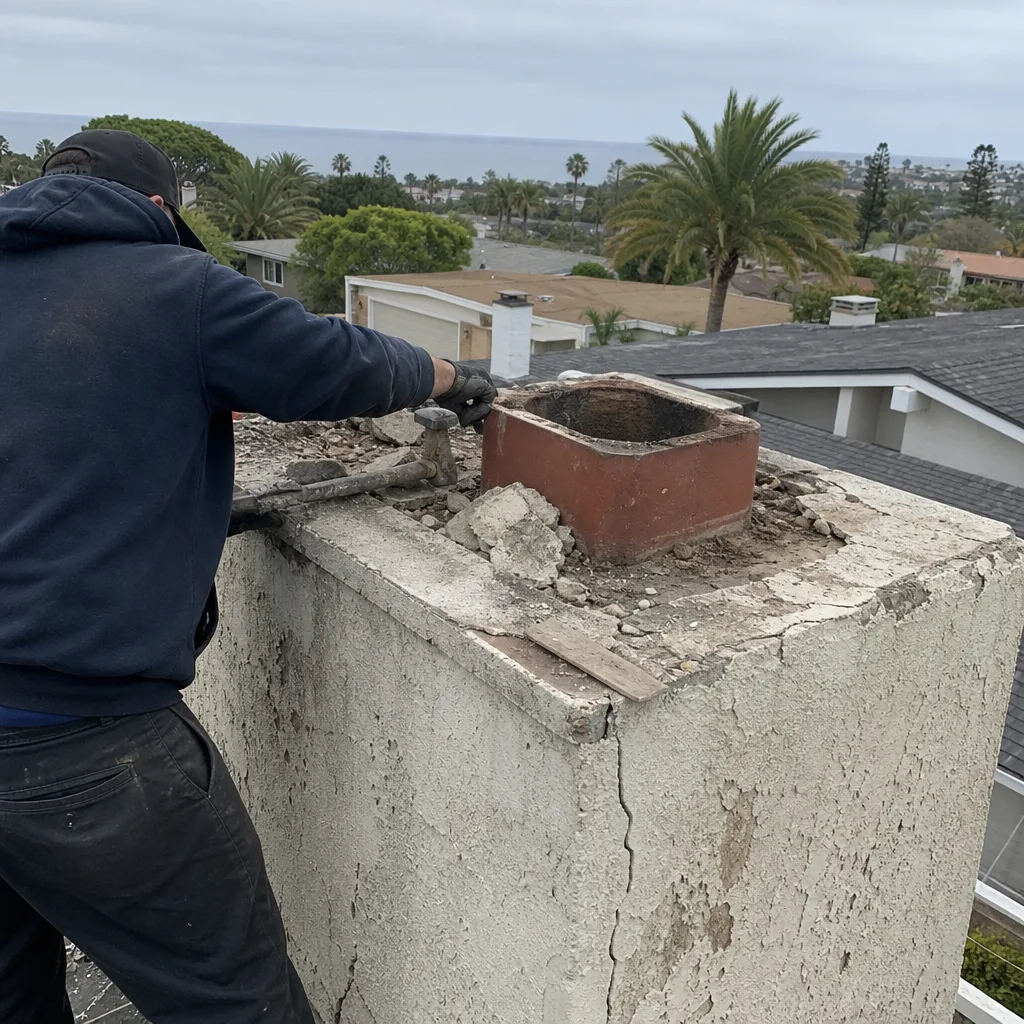 Before
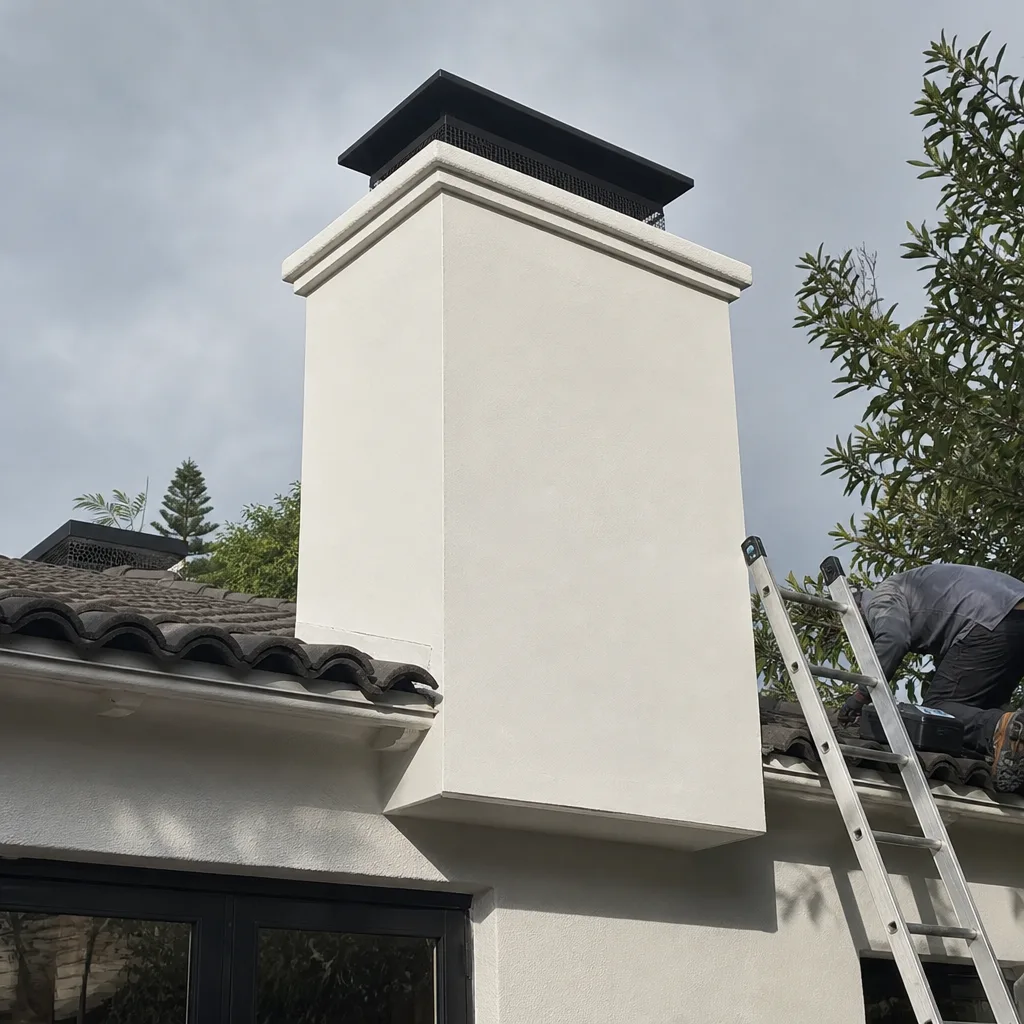 After
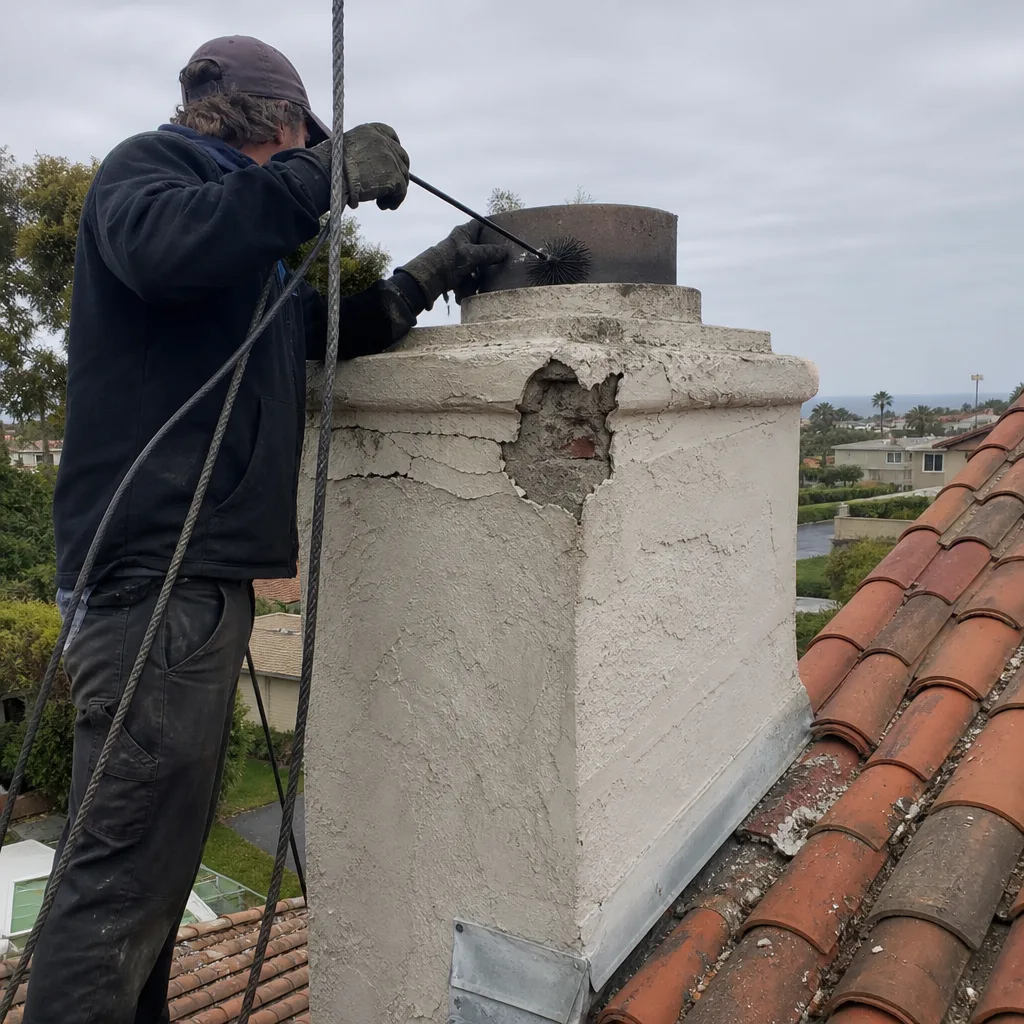 Before
 After
 Before
 After