
Last updated November 2, 2026
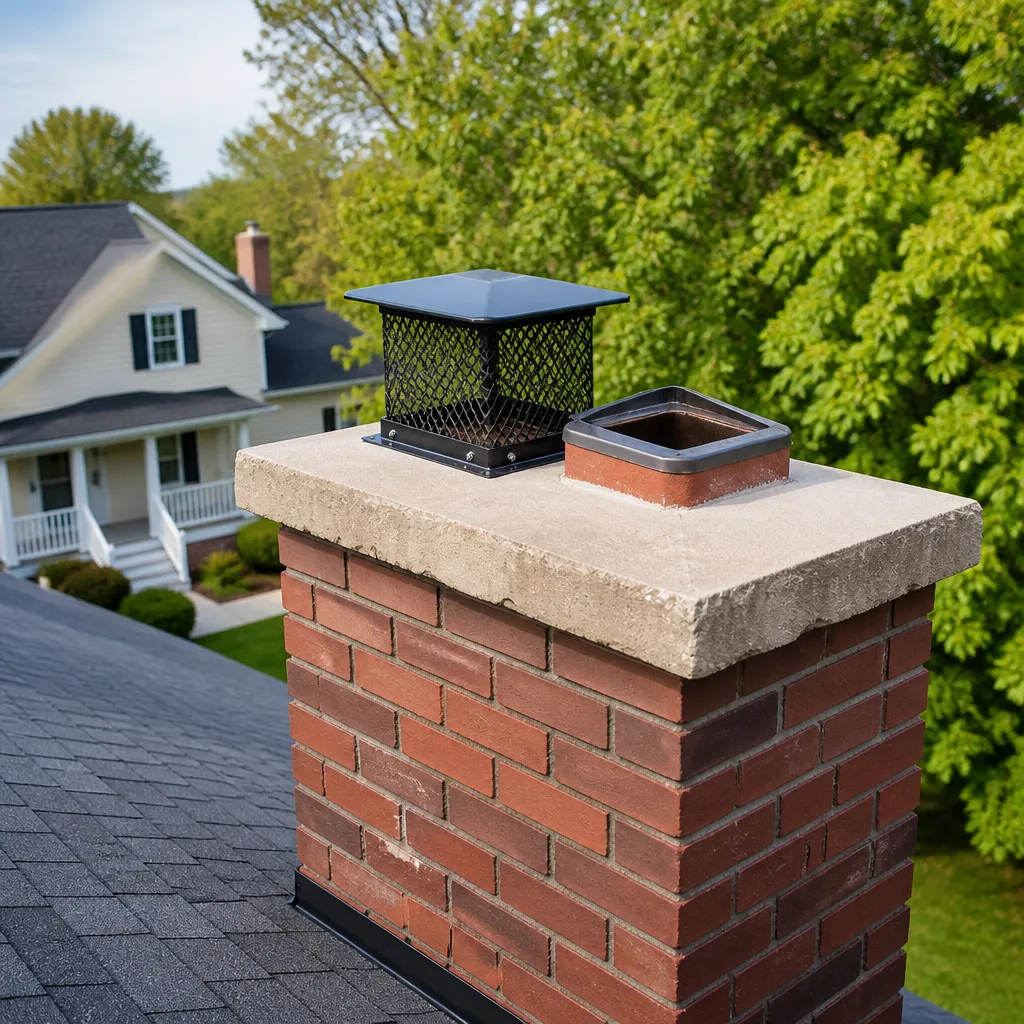 Sweep & inspection
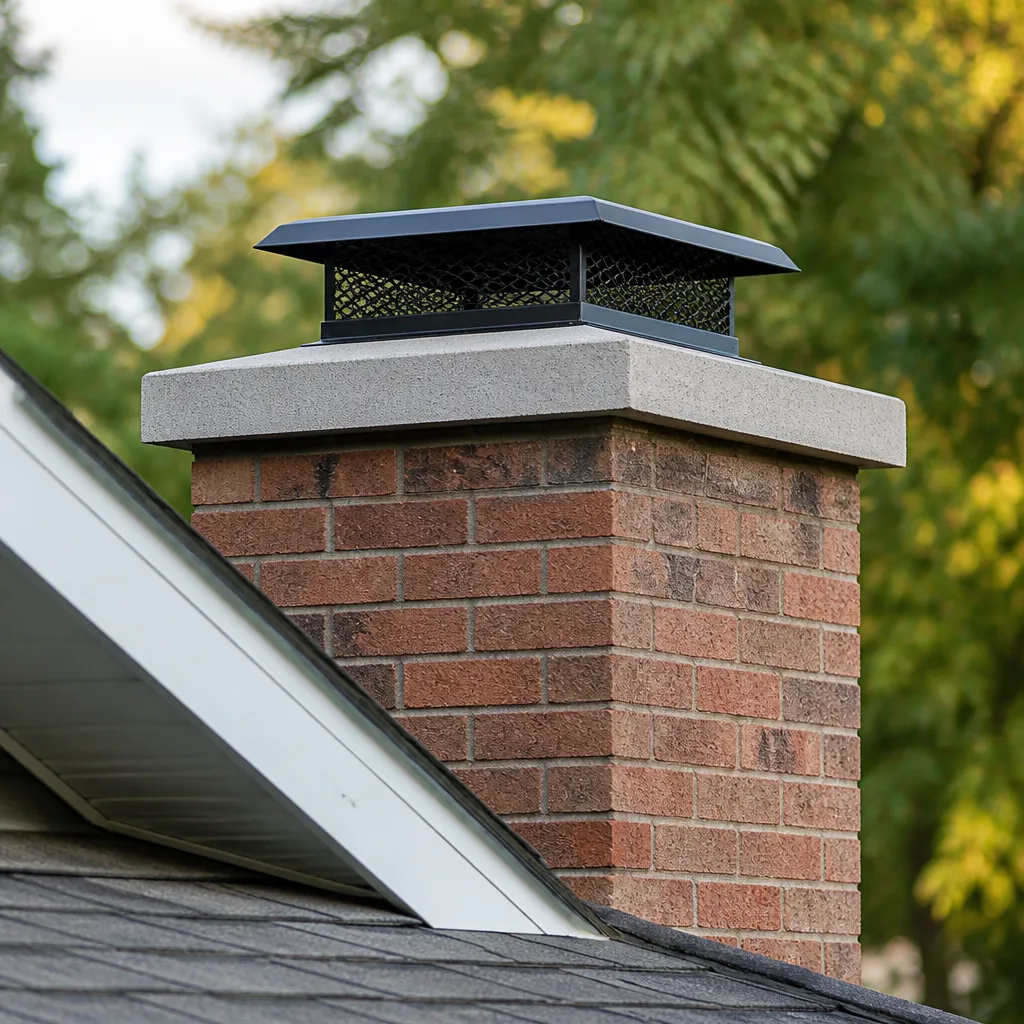 Caps & crowns
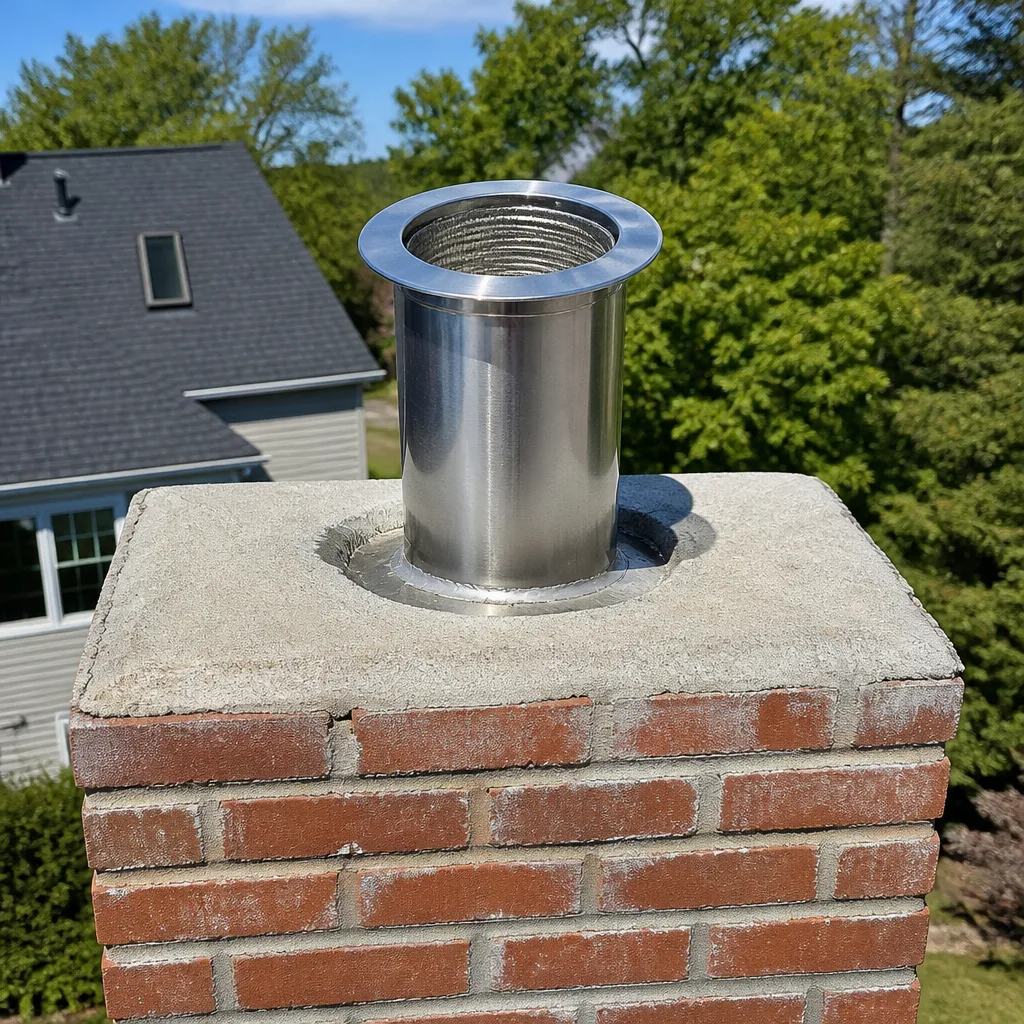 Flue relining
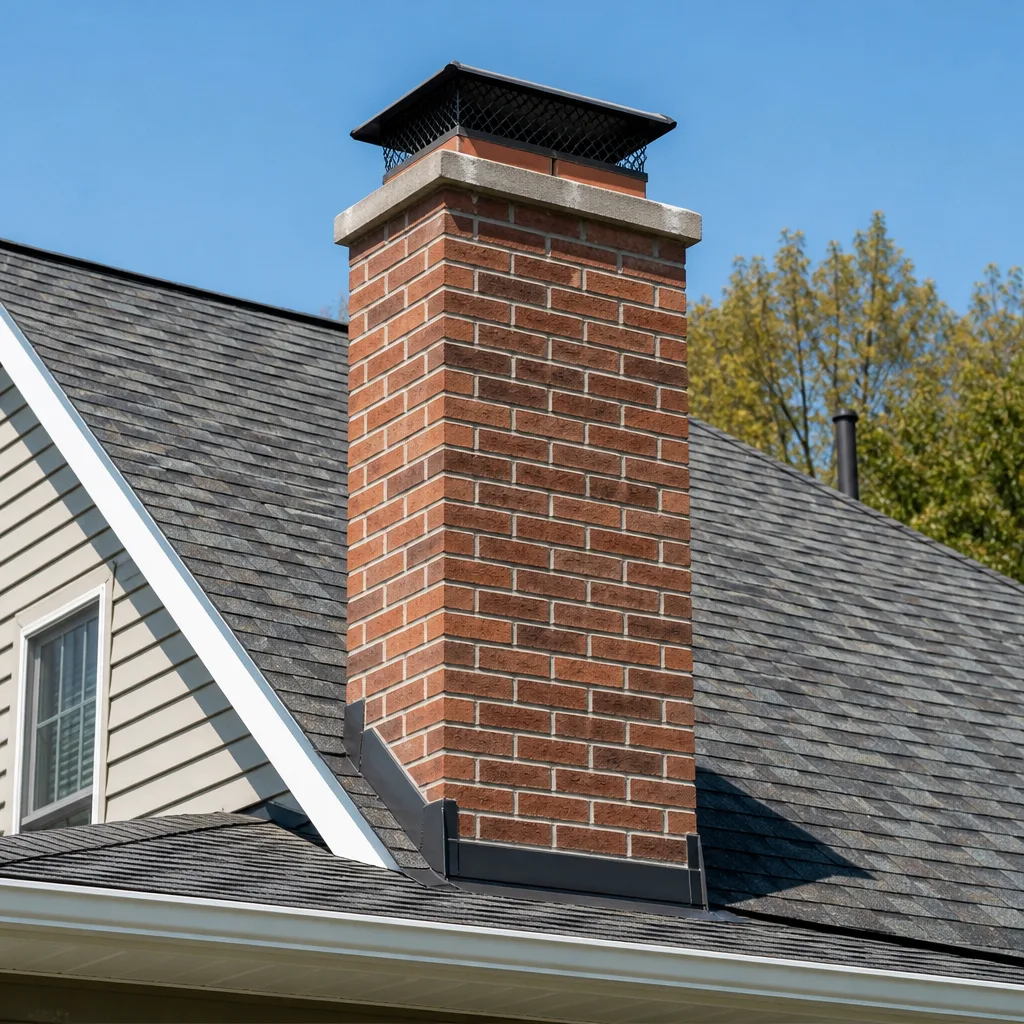 Masonry repair
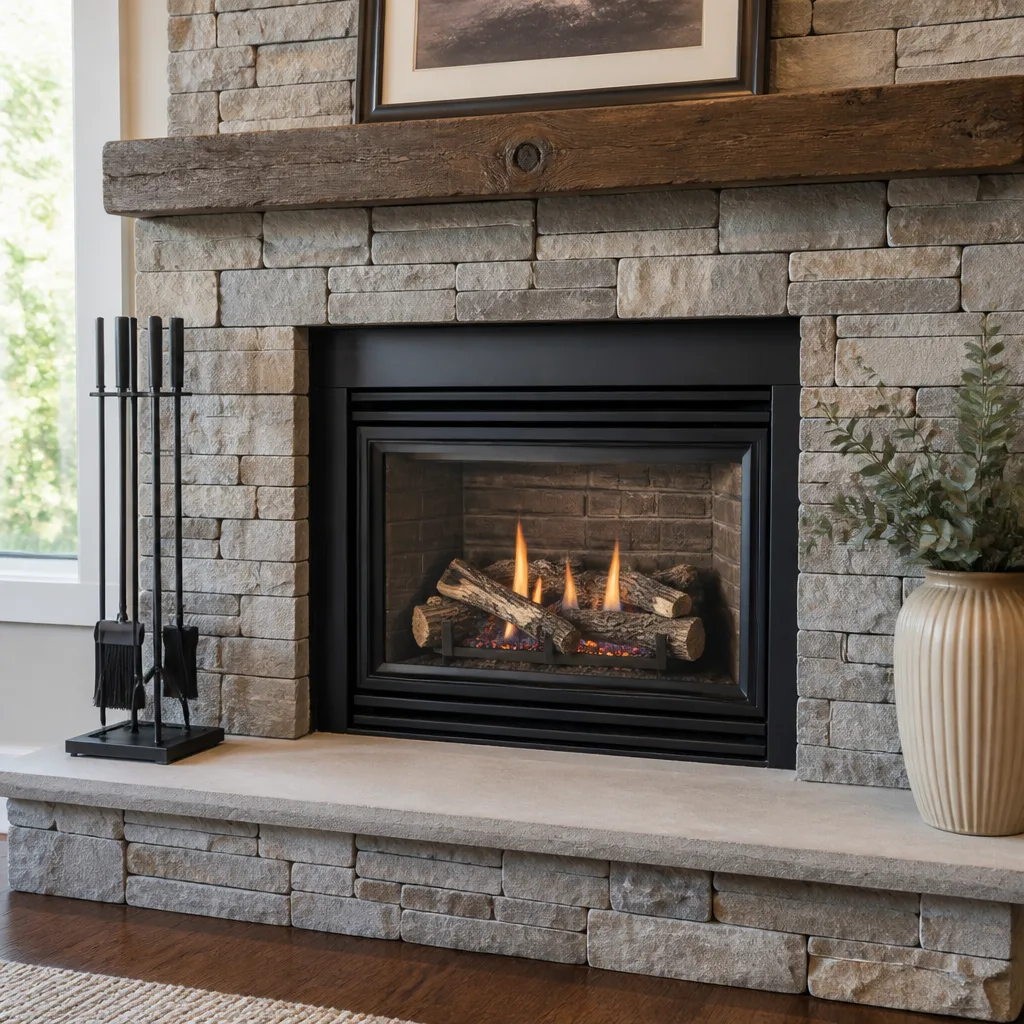 Gas fireplace service
Level 1 sweep and inspection to the NFPA 211 annual standard - flue, crown, cap, and flashing checked and photographed
Chimney sweep logs do not sweep chimneys. They loosen some creosote - which then falls where a brush and vacuum still have to collect it.
Chimney Cleaning Permits, Codes & Inspections in CA: What You Need to Know
Replacing a chimney liner in California without a permit doesn’t just risk a fine. It can void your homeowner’s insurance coverage if that liner is later involved in a fire or carbon monoxide incident. Most homeowners in La Jolla and across San Diego County have no idea this distinction exists until it’s too late. This guide walks through exactly where California code draws the line between routine maintenance and permitted alteration, how San Diego County fire ordinances layer on top of state requirements, and what documentation protects you when you sell the house. You’ll learn what triggers a permit pull, what a Level 2 inspection actually documents, and the specific questions to ask any contractor before work begins.
Styles & brands we work with
- Sweep & inspection
- Caps & crowns
- Flue relining
- Masonry repair
- Gas fireplace service
Quick Answer
Chimney sweeping is maintenance and never requires a permit in California. However, chimney relining, firebox reconstruction, and in some San Diego County jurisdictions, crown replacement or structural repair crosses into building alteration territory that does require a permit. If you’re unsure, call your local building department or have a Level 2 inspection performed first – that report tells you exactly what the chimney needs and whether the work falls under maintenance or alteration. For a deeper look at what problems to watch for, see our Chimney Cleaning Warning Signs: A La Jolla Homeowner’s Reference Guide.
Table of Contents
- Maintenance vs. Alteration: Where California Draws the Line
- San Diego County Fire Code and Spark Arrestor Requirements
- Title 24 and Post-Wildfire Building Updates
- Level 2 Inspections: Documentation for Insurance and Real Estate
- Questions to Ask Any Contractor Before Chimney Work
- La Jolla-Specific Considerations: Canyons, Coastal Air, and Compliance
- Common Mistakes to Avoid
- When to Call a Professional
- Frequently Asked Questions
- The Bottom Line
Maintenance vs. Alteration: Where California Draws the Line
California Building Code treats chimney sweeping exactly as it sounds: routine maintenance. No permit, no filing, no inspection notification. The code is clear that removing creosote buildup, sweeping the flue, and light debris removal from the smoke shelf or firebox floor are maintenance activities. This holds true in La Jolla, in San Diego, and throughout the state.
What changes the classification is when work modifies the structure or function of the chimney system itself. Here’s where California code uses the term “alteration” rather than “maintenance”:
- Relining a flue – Installing a new DuraFlex stainless steel liner or performing a full reline changes the venting pathway. This is alteration work in most California jurisdictions and typically requires a permit.
- Firebox reconstruction – Rebuilding the firebox with new refractory panels or masonry goes beyond surface repair. Permits are generally required.
- Structural repairs to the chimney chase or stack – Rebuilding crumbling brickwork that affects the structural integrity of the chimney is alteration, not maintenance.
- Changing fuel type – Converting a wood-burning fireplace to gas or vice versa changes the appliance classification and requires both permits and inspection.
The gray area in San Diego County involves crown repair and cap replacement. Some jurisdictions classify minor crown sealing as maintenance; others treat crown rebuild as alteration. In La Jolla specifically, we’ve seen the county treat chimney crown replacement conservatively because of the area’s coastal exposure. Salt air accelerates crown deterioration, and a failed crown often means deeper water intrusion issues. The county would rather see a permit pulled and an inspector verify the repair than discover the work was done informally.
Practically, here’s the rule we give our Chimney Sweep La Jolla home customers: if the work changes how the chimney vents, holds fire, or sheds water, assume it needs a permit until your local building department tells you otherwise.
San Diego County Fire Code and Spark Arrestor Requirements
San Diego County’s fire code doesn’t operate independently from state code. It incorporates and enforces the California Fire Code, which adopts national standards with local amendments. For chimneys, the critical piece is the spark arrestor requirement.
California Fire Code requires that chimneys serving solid-fuel appliances be equipped with an approved spark arrestor. The arrestor must be made of noncombustible material, typically stainless steel or galvanized mesh, with openings no larger than 1/2 inch. This requirement isn’t optional, and it applies regardless of whether you use your fireplace twice a year or every winter weekend.
In La Jolla, the hillside and canyon adjacency changes how this code is enforced. Homes in La Jolla’s canyon-adjacent neighborhoods – places like La Jolla Shores, La Jolla Farms, and the slopes above Torrey Pines – sit within designated Very High Fire Hazard Severity Zones. In these zones, compliance isn’t just checked during permit-triggered inspections. County fire inspectors can cite non-compliant properties during routine defensible-space inspections. A missing or damaged spark arrestor in a VHFHSZ can generate a correction notice that remains on file until resolved.
The practical implication: if you own a wood-burning fireplace in La Jolla, verify your spark arrestor is intact. If you’re not sure whether yours meets the current mesh size requirement, a Chimney Sweep in La Jolla can check it during a standard cleaning. It’s a two-minute visual verification that saves you a county citation.
Title 24 and Post-Wildfire Building Updates
California’s Title 24 energy code doesn’t directly regulate chimney sweeping, but its 2020 and 2023 updates changed requirements for new solid fuel installations and major alterations. After the 2017 Napa fires and 2018 Camp Fire, California’s building standards commission accelerated changes to how new homes and remodels handle fireplaces, chimneys, and venting.
Here’s what changed and what it means for existing La Jolla homes:
- New solid fuel appliances face stricter emissions standards. If you’re adding a new wood-burning fireplace or stove to your La Jolla home, it must meet current EPA emissions limits. This applies even if you’re just replacing an old insert with a new one.
- Gas fireplaces are the default in new construction. Title 24 creates strong incentives for gas or electric fireplaces over wood-burning in new builds. This doesn’t affect existing wood-burning fireplaces, but it does affect what you’re allowed to install going forward.
- Major chimney alterations trigger full appliance review. If you’re relining and the county requires a permit, the inspector may require the entire solid fuel appliance to meet current standards, not just the liner. This can mean upgrading an old fireplace insert even though your original project was just relining.
- Spray foam insulation restrictions affect chimney chase areas. Title 24’s evolving insulation requirements create fire safety restrictions around chimney penetration areas. If you’re doing attic insulation work alongside chimney work, we’ve seen La Jolla homeowners run into code conflicts that require coordinated inspection dates.
The takeaway isn’t that Title 24 makes chimney work harder. It’s that post-wildfire updates changed the compliance landscape enough that what was true in 2015 may not be true now. If your chimney documentation predates 2020, it’s worth verifying current code alignment before you need it for an insurance claim or resale.
Level 2 Inspections: Documentation for Insurance and Real Estate
A Level 2 inspection is a camera-based evaluation of your chimney’s interior, and it’s the documentation standard that insurance companies and California real estate transactions increasingly expect. The inspection uses a video camera to capture the flue interior, checking for cracks, gaps, spalling, or blockages that wouldn’t be visible during a standard Level 1 visual inspection.
California law doesn’t mandate a Level 2 inspection before every real estate sale. However, the California Residential Purchase Agreement includes disclosure requirements that make a documented chimney evaluation prudent for both buyer and seller. If you’re selling a La Jolla home with a fireplace, the buyer’s home inspector will almost certainly flag the chimney for either a Level 2 inspection or a basic safety review. Providing a current Level 2 report upfront removes that contingency from negotiations.
For insurance, the value of a Level 2 report becomes clear in the claim process. If you file a homeowner’s claim related to chimney fire damage, your insurer will ask when the chimney was last inspected and what was documented. A Level 2 report that shows the flue was clean and structurally intact within the prior year strengthens your position. The absence of documentation doesn’t automatically deny a claim, but it leaves the insurer room to argue contributory negligence.
One specific area where we see La Jolla homeowners benefit from Level 2 documentation: earthquake readiness. La Jolla sits within several miles of active fault lines. A Level 2 inspection after a noticeable seismic event can document whether the flue sustained any new cracking. That report creates a baseline that’s valuable both for insurance and for planning future Chimney Repair in La Jolla work.
Questions to Ask Any Contractor Before Chimney Work
You wouldn’t hire an electrician without asking whether they’ll pull a permit for a panel replacement. Chimney work deserves the same scrutiny, but most homeowners don’t know which questions to ask. Here are the five that matter most:
- “Is this work classified as maintenance or alteration under current California code?” A contractor who can’t answer this question clearly in under 30 seconds doesn’t understand the regulatory framework. Walk away.
- “Will you be pulling a permit for this work, and can I see the permit number before you start?” If the answer is “you don’t need one” for work that sounds structural, get a second opinion from the building department. Don’t take the contractor’s word for it.
- “What documentation will I receive when the work is complete?” Expect a written report, inspection photos, and if applicable, a copy of the signed permit and inspection approval. “Trust me, it’s done right” is not documentation.
- “What materials are you using, and why?” If you’re getting a liner installed, ask whether it’s a DuraFlex system, what the warranty terms are, and why the contractor chose that specific product for your chimney’s size and fuel type. Generic “good quality liner” answers suggest commodity thinking.
- “How will this work affect my home’s ability to pass a future Level 2 inspection?” The answer should demonstrate that the contractor is building for long-term compliance, not just fixing today’s symptom.
We manage permits for La Jolla customers when the work requires them. If the work doesn’t require a permit, we say so plainly and document why. That transparency matters because hidden permits are a legal problem for you, not for the contractor who leaves town.
La Jolla-Specific Considerations: Canyons, Coastal Air, and Compliance
La Jolla’s geography and microclimate create chimney conditions that don’t exist in inland San Diego neighborhoods. Understanding these local factors helps you read code enforcement patterns and predict what your chimney will need.
Coastal salt air accelerates metal deterioration. Chimney caps, spark arrestors, and metal flashing in La Jolla rust faster than the same components in Mira Mesa or Poway. We regularly see caps that look structurally intact from the ground but are rusted through at the mounting points. This matters for compliance because a rust-damaged spark arrestor is a fire code violation even if the mesh is still in place.
Canyon-adjacent homes face stricter fire code enforcement. La Jolla’s VHFHSZ designation for hillside neighborhoods means fire inspectors are already visiting properties for defensible space reviews. A missing spark arrestor or deteriorated chimney crown is more likely to be caught and cited here than in flat, interior neighborhoods. If you live on the slopes above La Jolla Shores or in the canyon-adjacent areas of La Jolla Farms, treat fire code compliance as an ongoing obligation, not something you only address before a remodel.
Older La Jolla homes have chimneys built under outdated codes. A 1960s-era La Jolla home may have a masonry chimney that was fine under the building code of its era but wouldn’t meet current requirements for flue tile sizing or clearance to combustible material. That doesn’t mean you’re required to upgrade it. California generally grandfathers existing structures. But if you’re doing any permitted alteration – relining, firebox work, or crown replacement – the inspector will evaluate the entire system against current code. A minor repair can snowball into a larger remediation project. Knowing this in advance helps you plan and budget.
Dryer vents are part of the same fire-safety conversation. This guide focuses on chimneys, but the compliance mindset applies to dryer exhaust systems too. Long or kinked dryer vent runs create lint accumulation that burns like a champ. The code requirement is straightforward: dryer vents must terminate outdoors and meet maximum length and elbow-count standards based on the dryer’s exhaust rating. In La Jolla homes where laundry rooms sit deep in the floor plan, vents often run 20 to 30 feet with multiple elbows. A Dryer Vent Cleaning in La Jolla service that also checks code compliance for the vent run is worth scheduling alongside your chimney work.
Common Mistakes to Avoid
- Assuming all chimney work is maintenance. Sweeping is maintenance. Relining is alteration. Mixing these up can put you in violation of California building code and void insurance coverage if something goes wrong.
- Skipping the spark arrestor check because “we don’t use the fireplace.” The code doesn’t care how often you use it. A solid fuel chimney without a compliant spark arrestor is a violation regardless of usage frequency.
- Doing major repairs without a permit because the contractor said it wasn’t needed. Your local building department, not the contractor, determines permit requirements. Call them. It’s a 10-minute phone call that protects you.
- Treating a Level 1 visual inspection as sufficient for real estate transactions. In La Jolla’s competitive market, buyers expect Level 2 documentation. A Level 1 report from three years ago won’t satisfy a sharp buyer’s agent.
- Deferring crown repair in coastal La Jolla. Salt moisture accelerates crown deterioration, and a failed crown means water inside the chimney chase. What starts as a $400 crown repair becomes a $4,000 chase rebuild within two or three La Jolla winters.
- Installing a new fireplace insert without checking current Title 24 emission requirements. What you buy at a home center may not be ISO-compliant for installation in California. Verify EPA certification before purchasing.
- Ignoring dryer vent compliance until the dryer stops working. Lint-clogged vents are a fire hazard first and a performance problem second. Code-compliant vent runs protect your home regardless of how your dryer is performing.
When to Call a Professional
You should call a chimney professional when you see spalling brick, crumbling mortar, water stains on the ceiling near the chimney, or when you smell smoke in the house after the fireplace has been burning normally. These conditions indicate structural or draft problems that get worse quickly. Any significant seismic event should trigger a Level 2 inspection, especially in La Jolla where fault proximity is a real consideration. If a home inspector flags a chimney concern during a pending sale, a qualified sweep can assess whether the issue is cosmetic or structural. If you haven’t had the chimney swept in more than two years, schedule a cleaning and inspection before lighting the first fire of the season. Our Chimney Sweep Maintenance Checklist for La Jolla Homeowners covers everything to expect. We work with HeatShield products for flue restoration and can advise when a DuraFlex reline is the right call versus a more conservative repair. Chimney Sweep La Jolla offers free estimates in La Jolla – call (833) 952-1418.
Frequently Asked Questions
No. Chimney sweeping is classified as routine maintenance under California building code and never requires a permit. Sweeping involves removing creosote and debris from the flue and firebox without modifying the chimney’s structure or function. This is true throughout California, including all San Diego County jurisdictions.
A standard chimney sweep in La Jolla typically costs between $180 and $350 depending on the chimney’s condition, accessibility, and whether you have a standard fireplace or a wood stove with connector piping. La Jolla’s coastal salt exposure can add time to the cleaning if the cap and flashings need extra attention. Call (833) 952-1418 for an exact quote – estimates are free.
Not always. Minor surface cracking in clay tile liners can sometimes be addressed with HeatShield ceramic restoration, which resurfaces the flue interior without full replacement. However, if the cracks extend through the tile, allow flue gas to contact combustible material, or the liner has shifted out of alignment, a full DuraFlex stainless reline is the correct fix. The only way to know is a Level 2 camera inspection that shows the actual interior condition. Call (833) 952-1418 for an assessment.
The National Fire Protection Association standard, adopted throughout California, calls for annual inspection and cleaning as needed. Homes that burn more than 2 cords of wood per winter or use soft woods like pine typically need sweeping every 25 to 50 burns. A chimney with 1/8 inch of creosote accumulation needs cleaning before further use regardless of time elapsed. Coastal La Jolla homes often benefit from an extra visual check simply because salt moisture accelerates metal component wear.
Creosote accumulates in layers, and at roughly 1/4 inch of buildup, you’ve created conditions for a chimney fire. Chimney fires can burn at temperatures exceeding 2,000 degrees, cracking flue tiles, warping metal liners, and in serious cases, igniting the framing around the chimney chase. You may also develop carbon monoxide backdrafting if the flue becomes partially blocked. These are not hypothetical risks – we see the aftermath in La Jolla homes where maintenance was deferred during years the fireplace went unused.
Burn restrictions are issued by the San Diego Air Pollution Control District, not the fire code. During a Spare the Air alert or other burn ban window, burning wood is prohibited regardless of your chimney’s condition. Pine and other high-resin woods produce more particulate matter than seasoned hardwoods. If you’re in a La Jolla canyon-adjacent home, you may also face additional restrictions during red flag fire weather conditions, even outside formal burn bans.
The Bottom Line
California chimney code separates work into two buckets: maintenance, which keeps your fireplace clean and safe, and alteration, which changes the chimney’s structure or function. The first requires no permit; the second usually does. La Jolla homeowners face additional compliance pressure from coastal salt deterioration, canyon fire zone enforcement, and buyer expectations for documented chimney condition. The best protection is documentation: a current Level 2 inspection report, a receipt showing permitted work and inspection approval, and a maintenance record that shows you’ve been cleaning on schedule. When you know which bucket your next chimney project falls into, you can plan for the permit, the inspection, and the paperwork that protects your home and your insurance position. Browse more guides & resources to stay informed. Call (833) 952-1418 for a free estimate in La Jolla.
Written by the team at Chimney Sweep La Jolla, serving La Jolla since 2015.
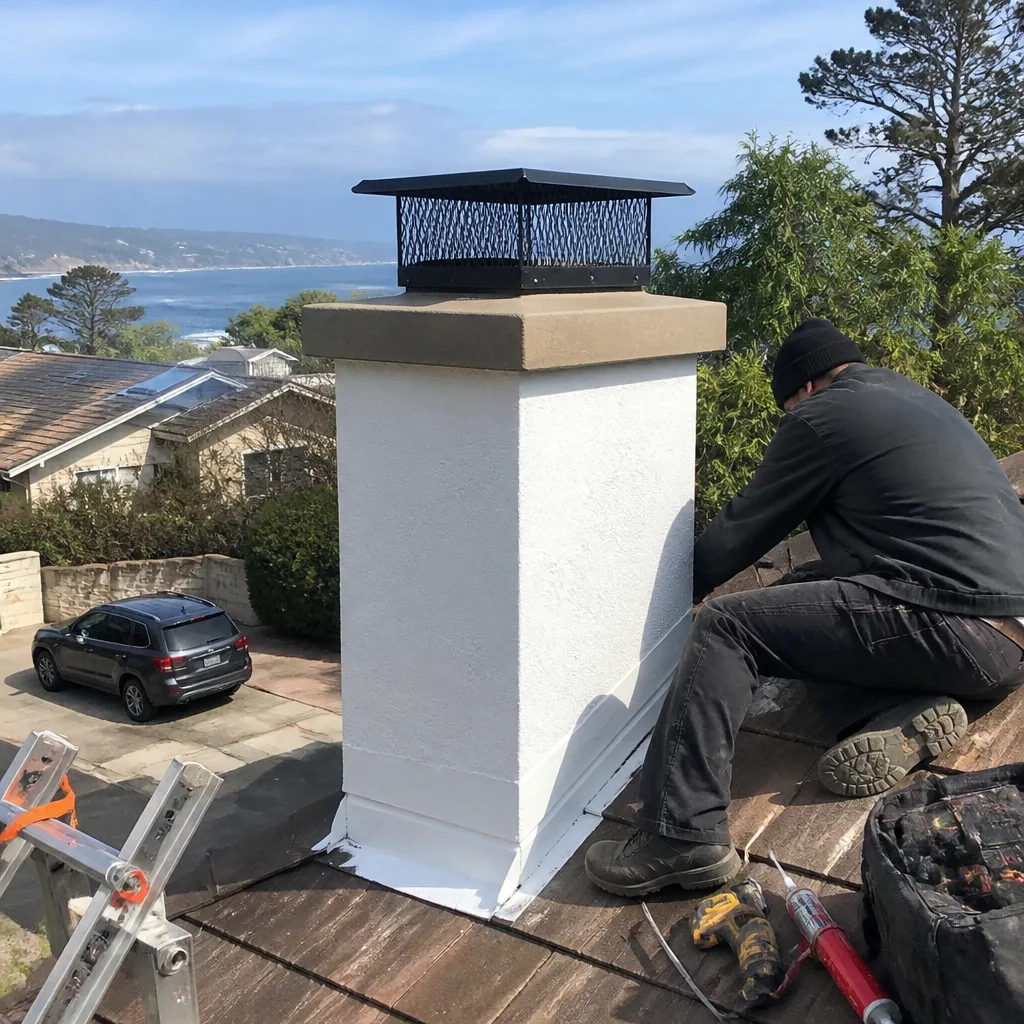
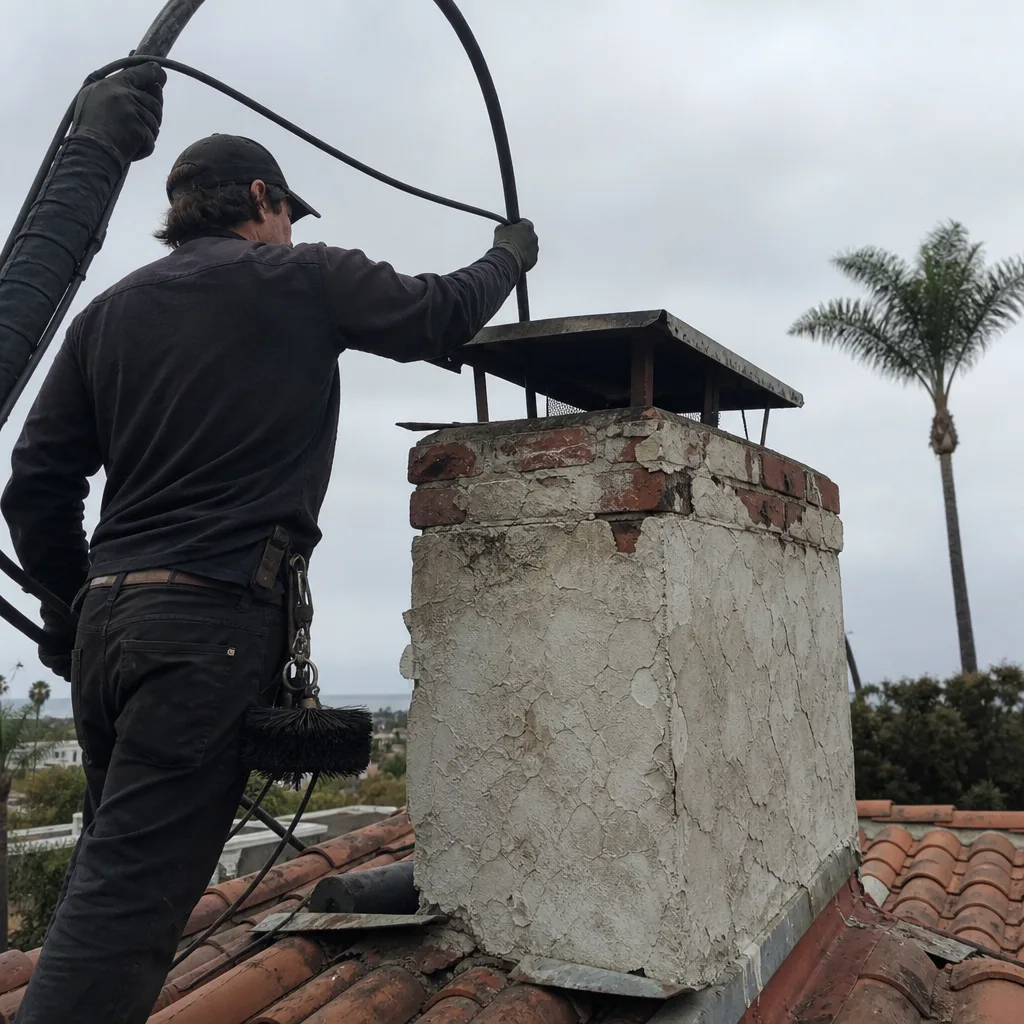
See the difference
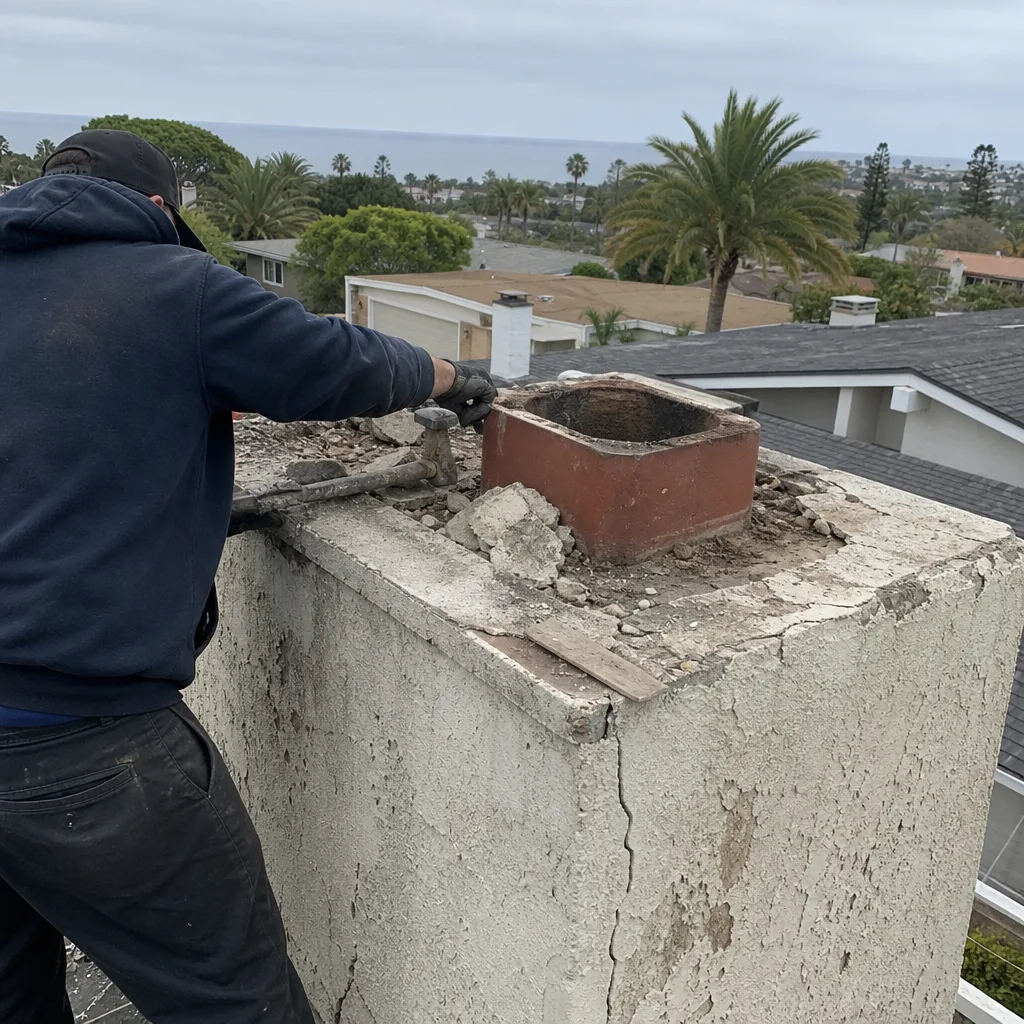 Before
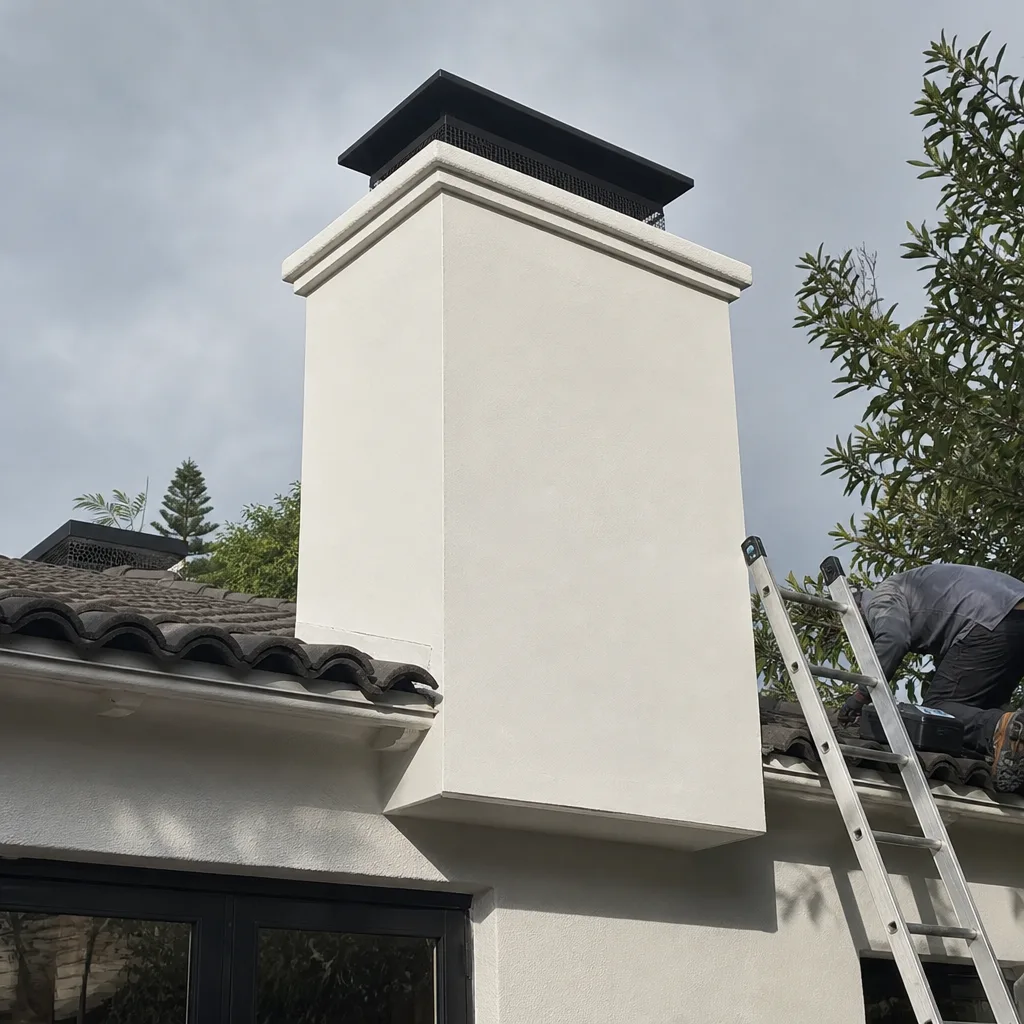 After
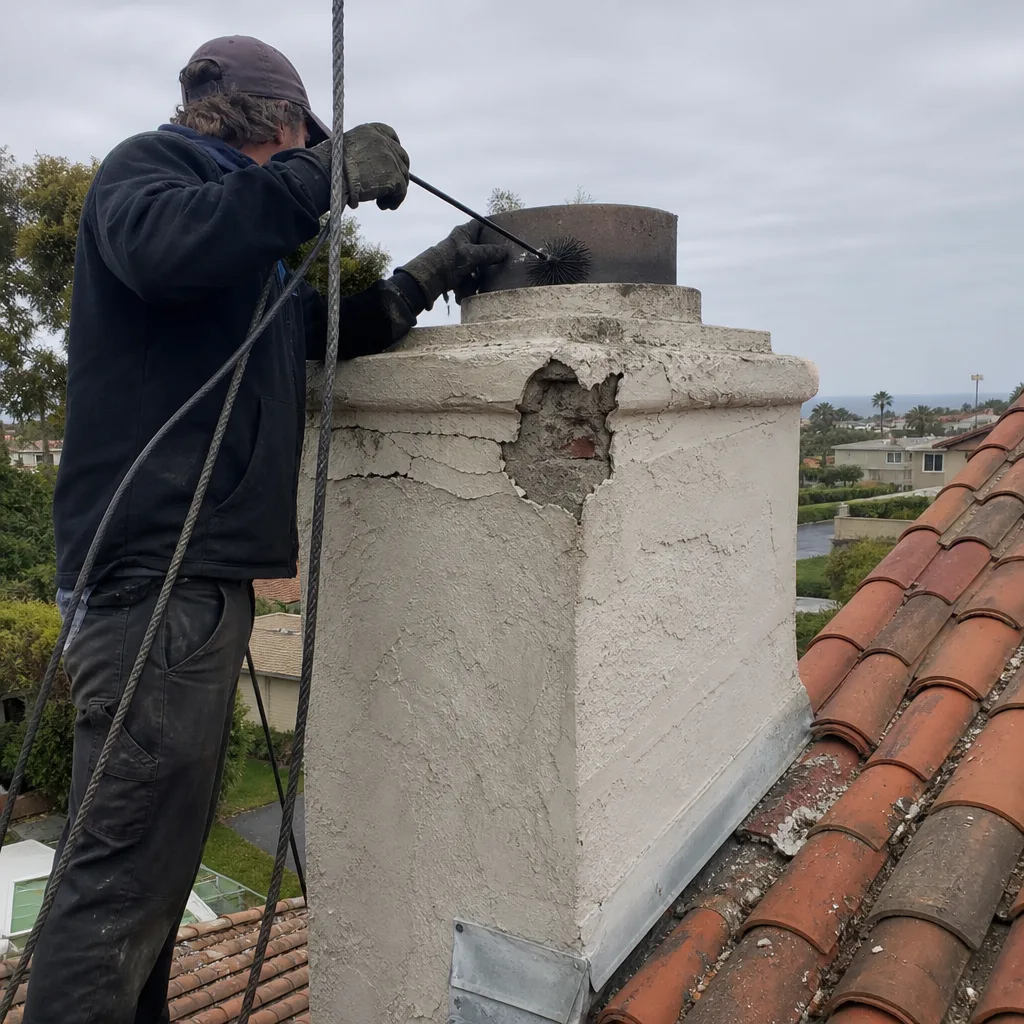 Before
 After
 Before
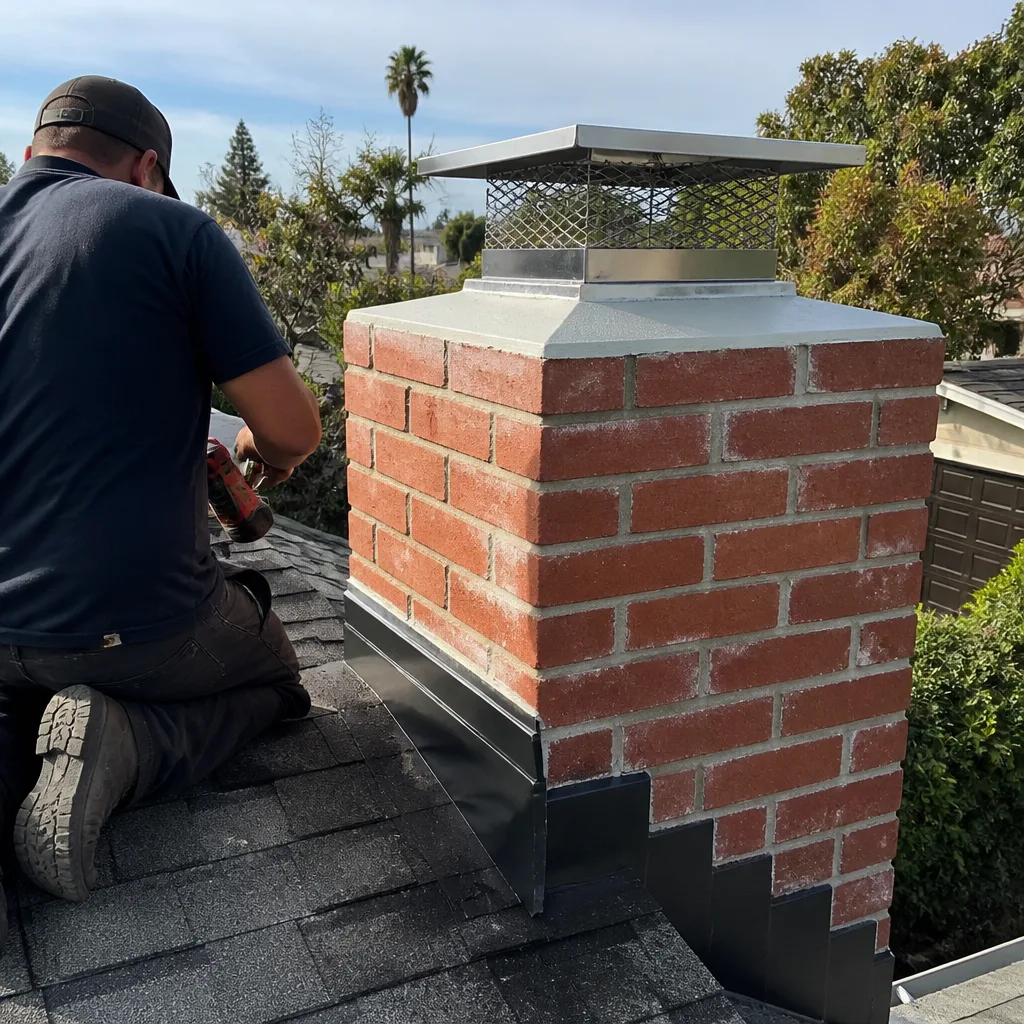 After