
Last updated November 2, 2026
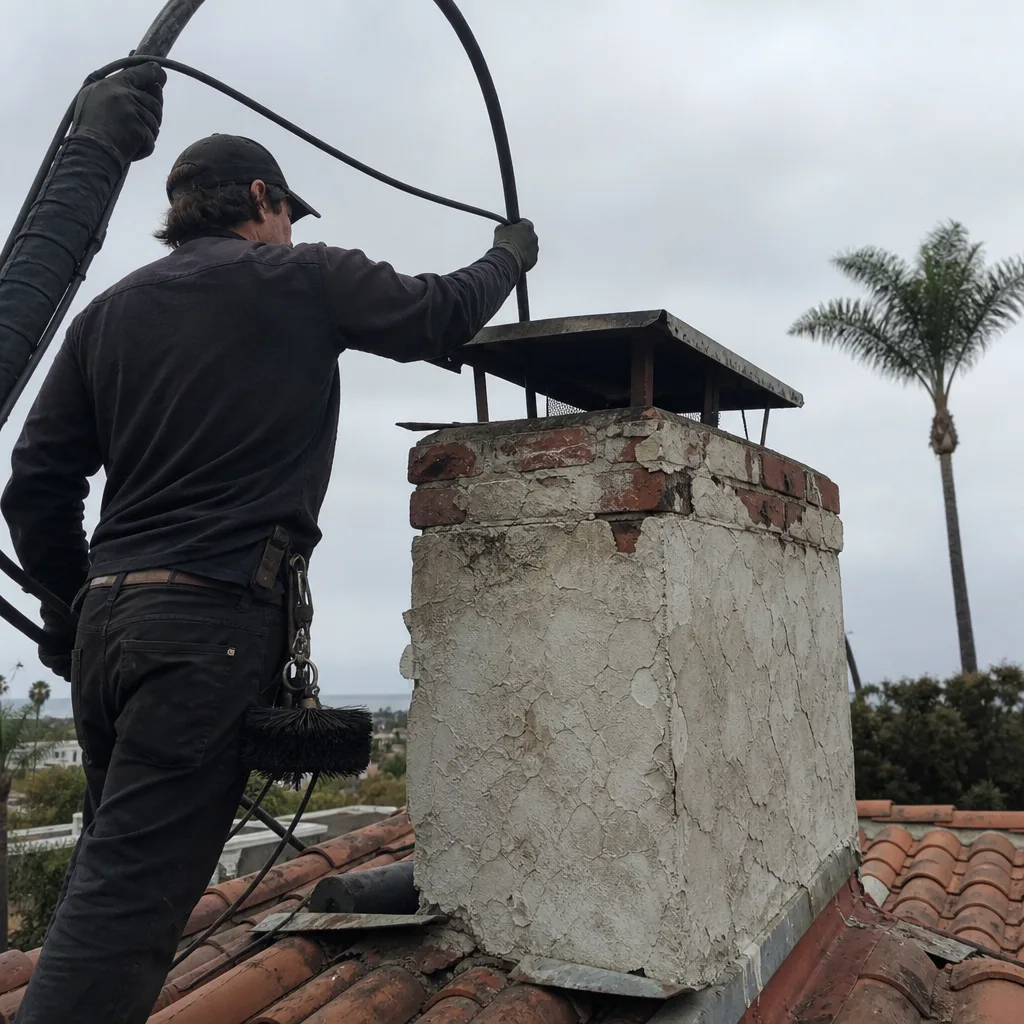
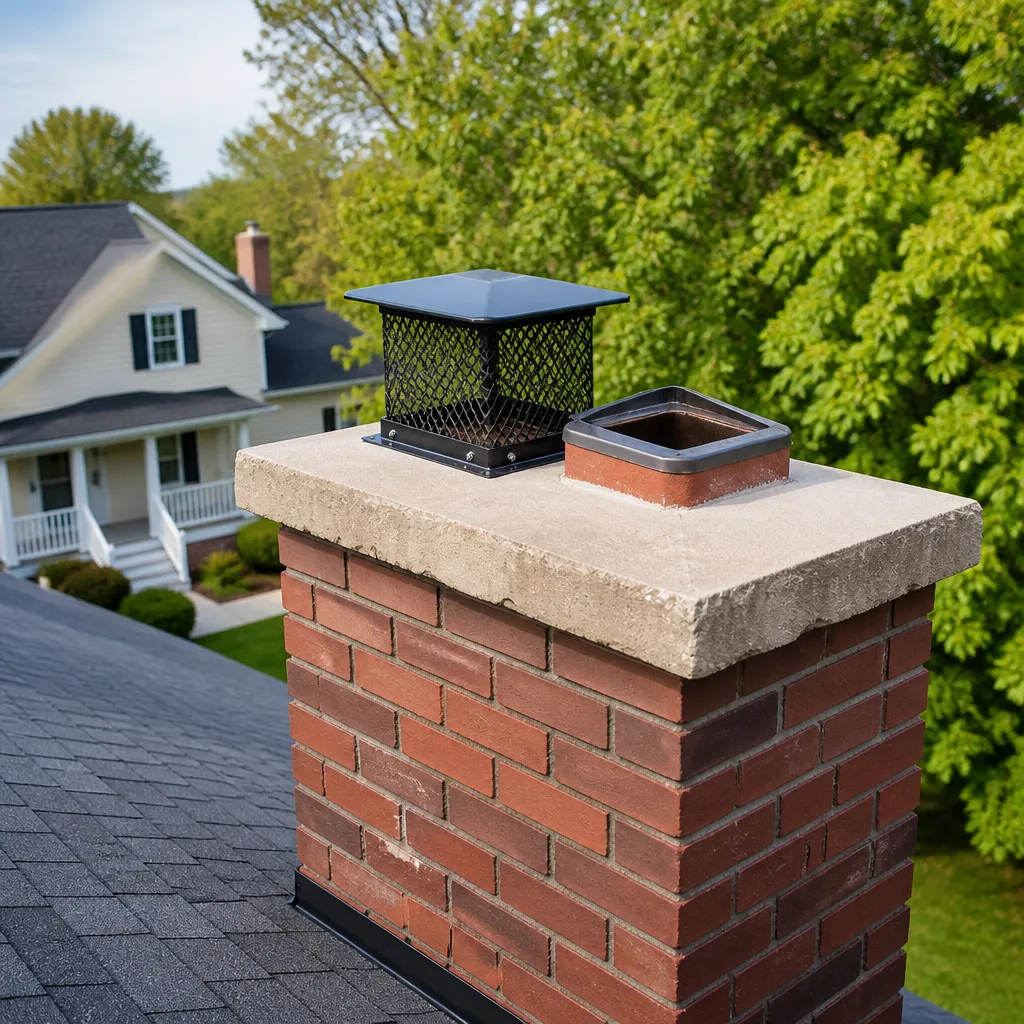 Sweep & inspection
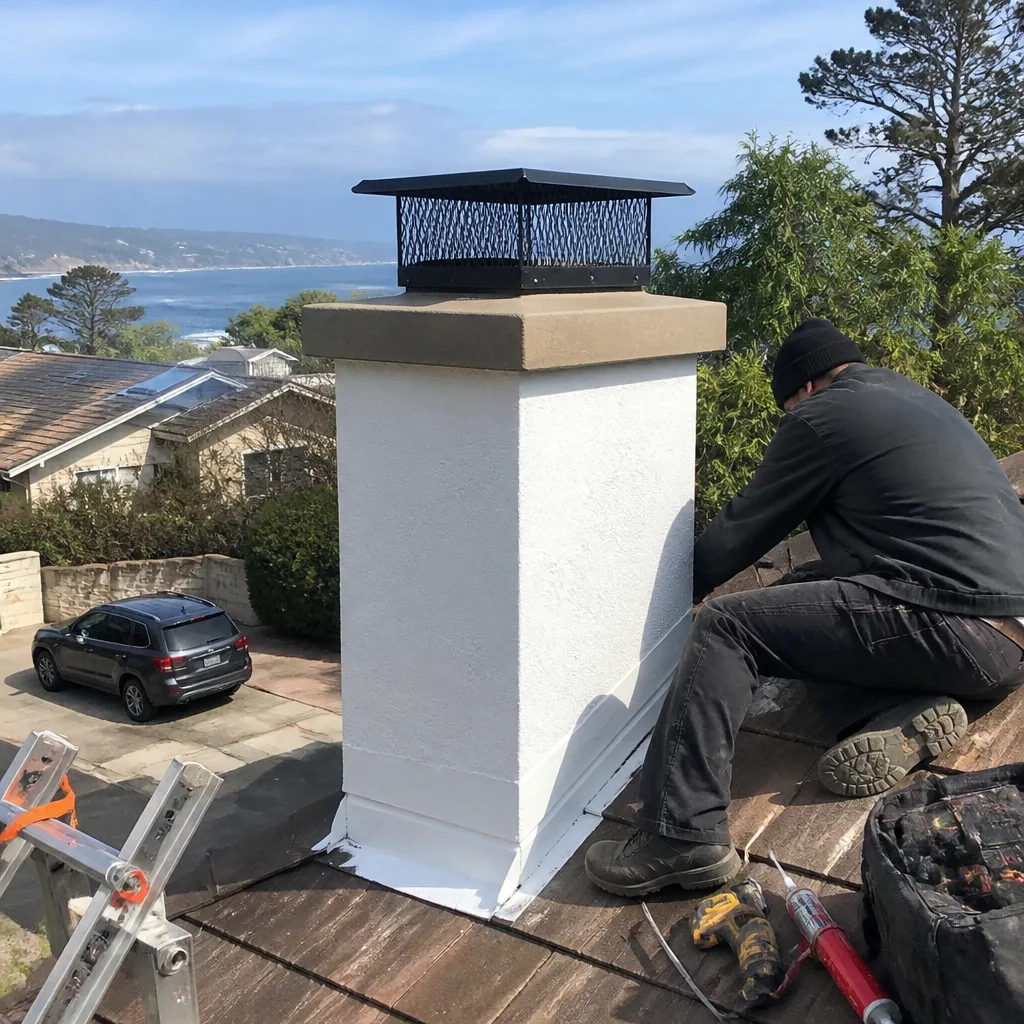
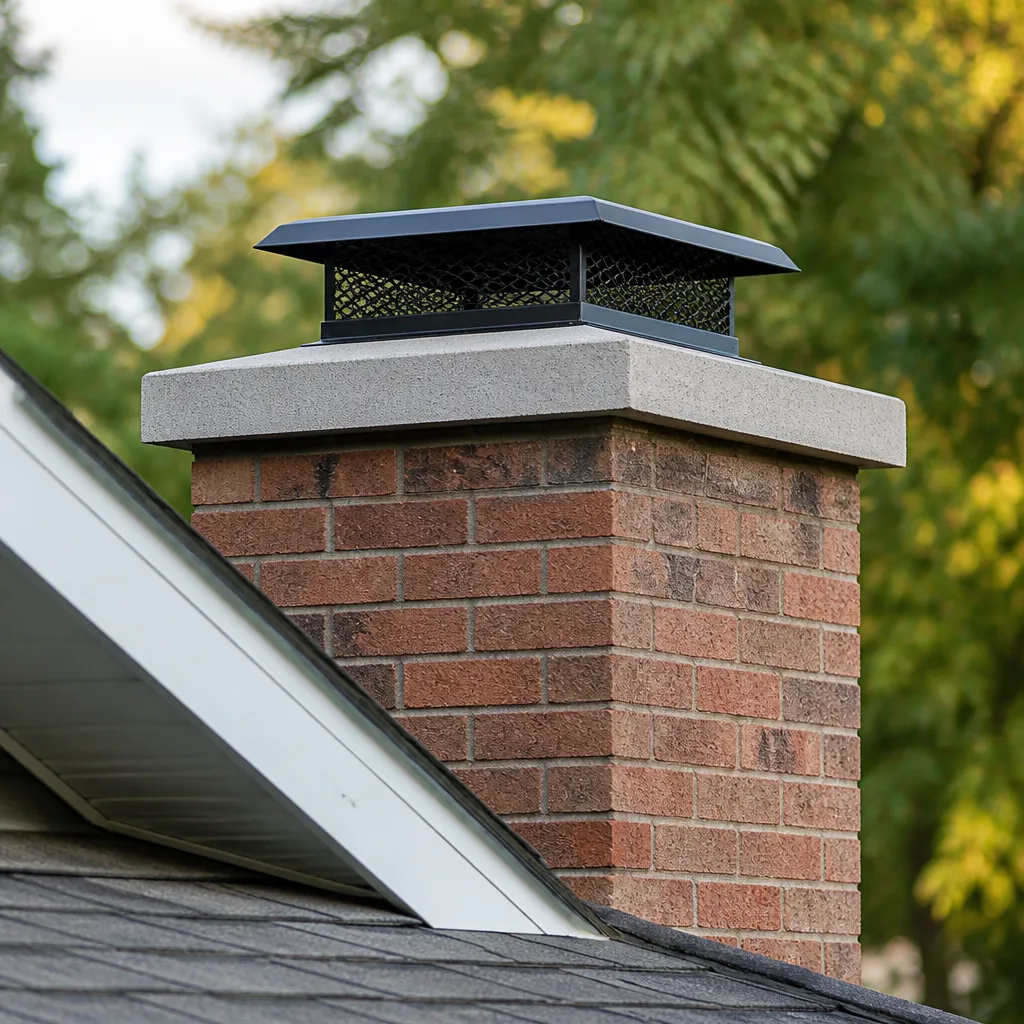 Caps & crowns
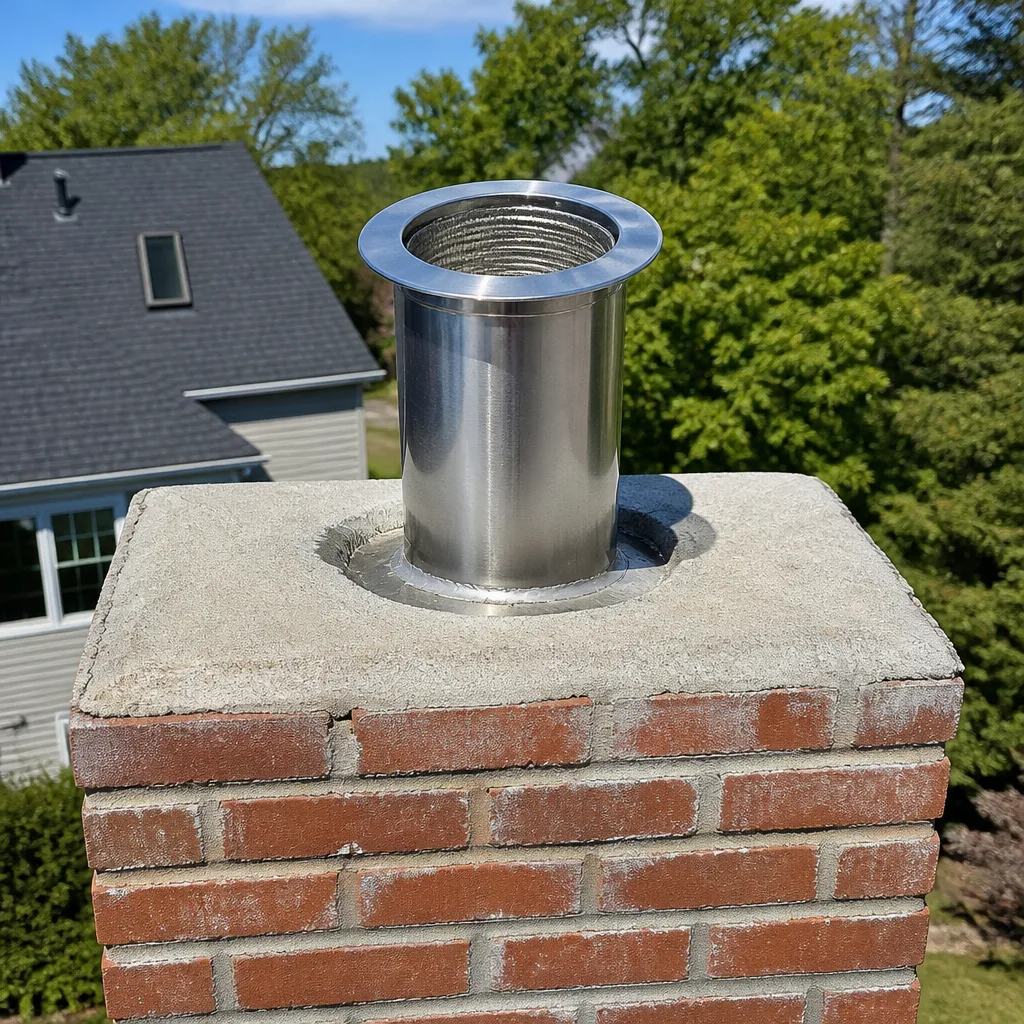 Flue relining
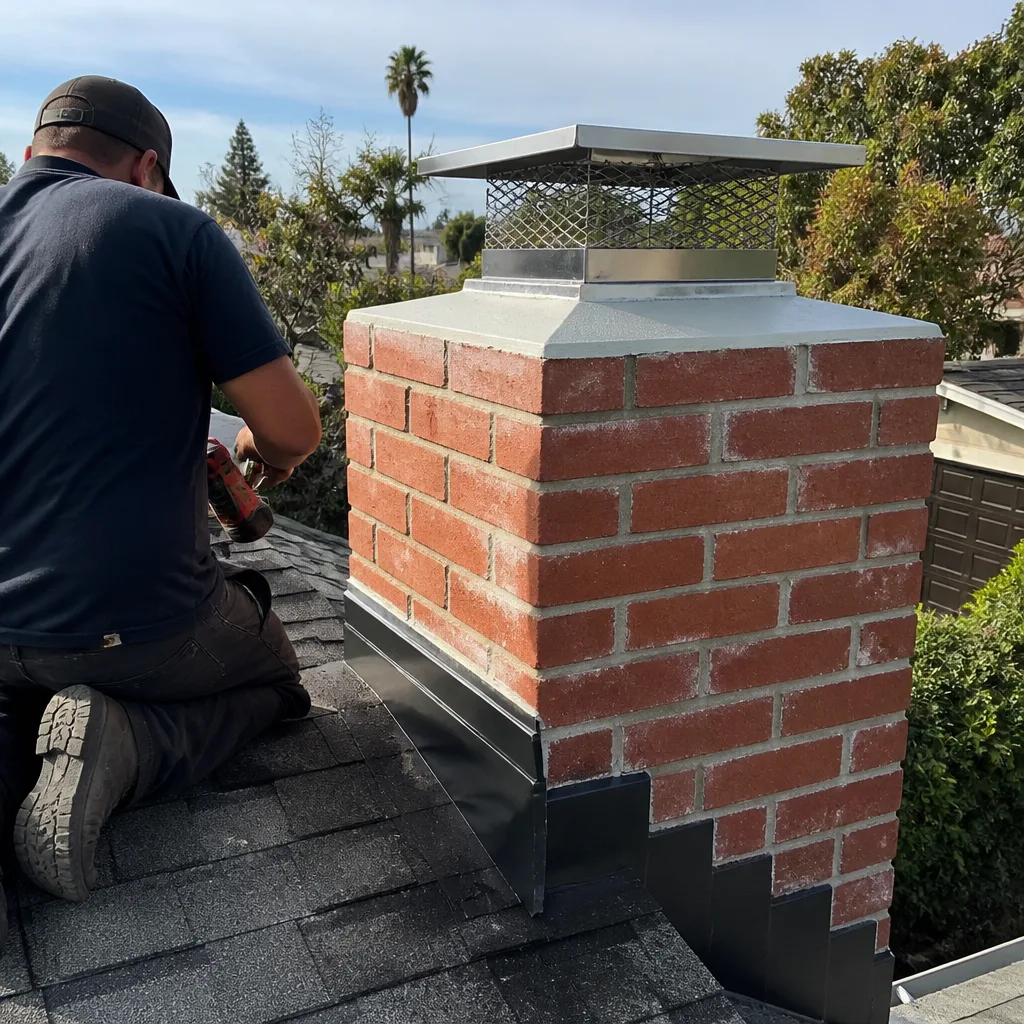
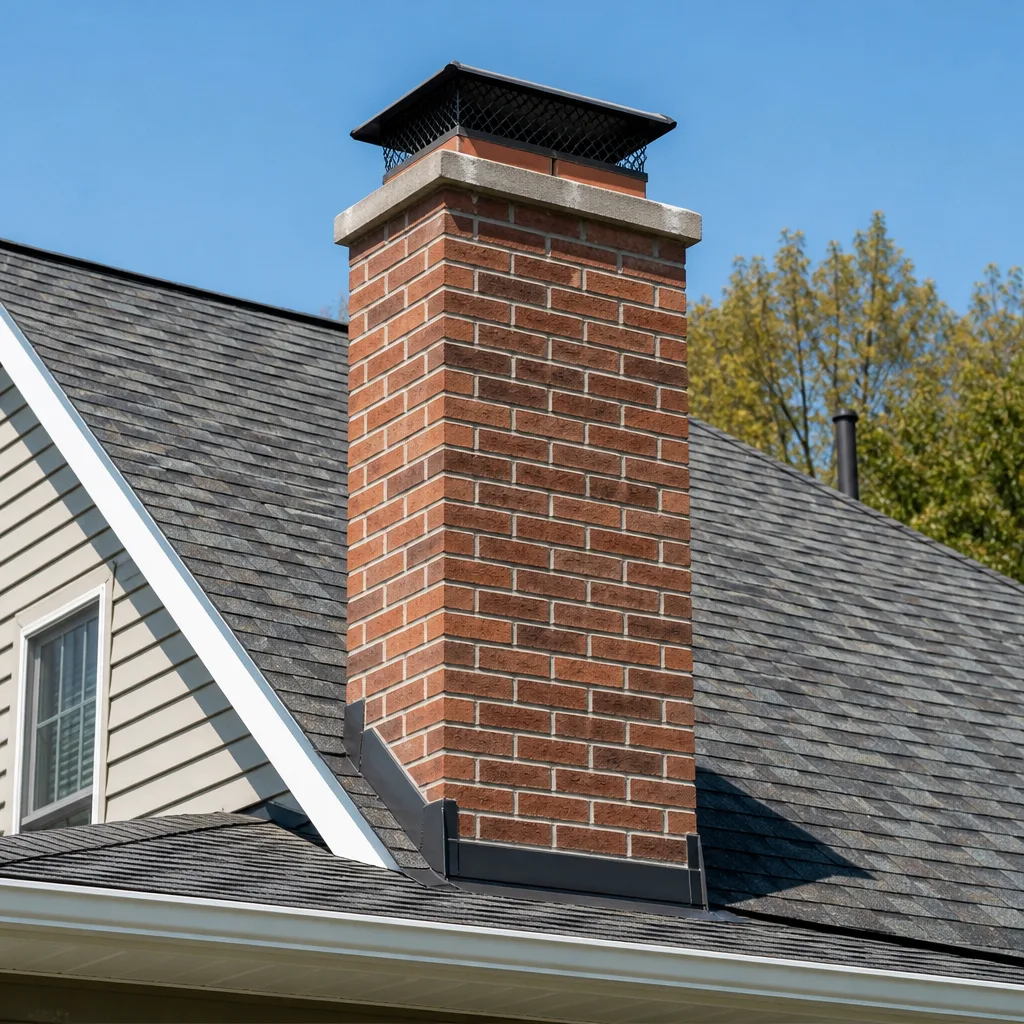 Masonry repair
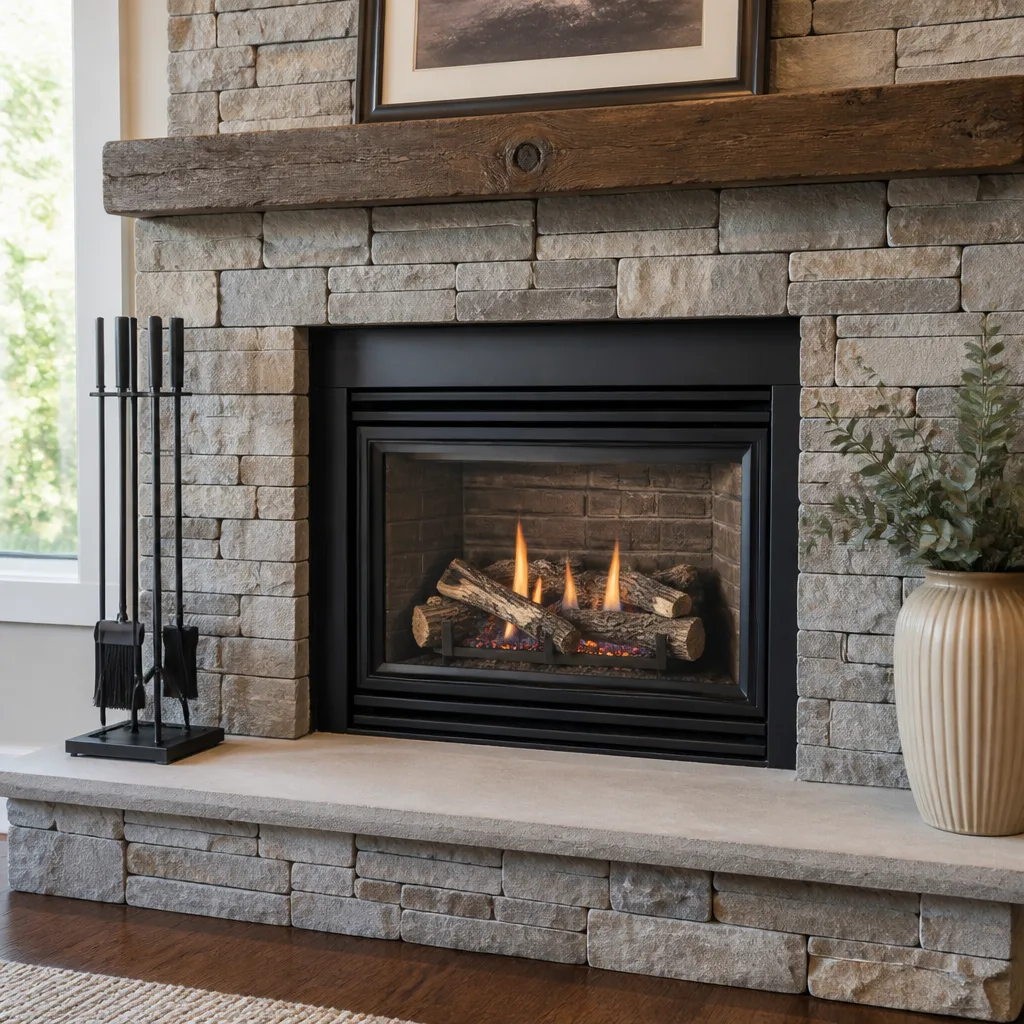 Gas fireplace service
Level 1 sweep and inspection to the NFPA 211 annual standard - flue, crown, cap, and flashing checked and photographed
Chimney sweep logs do not sweep chimneys. They loosen some creosote - which then falls where a brush and vacuum still have to collect it.
DIY vs Professional Chimney Cleaning: The La Jolla Homeowner’s Decision Guide
A chimney brush kit from Amazon will remove Stage 1 creosote adequately. What it won’t tell you is that the tile liner behind that soot has a hairline crack from last winter’s temperature cycling between La Jolla’s cool coastal nights and warm Santa Ana days. That crack is where chimney fires become house fires, and no amount of brushing will reveal it. This guide draws a precise line between what a careful La Jolla homeowner can safely do themselves and what genuinely requires trained eyes and specialized equipment. You’ll learn the diagnostic gap that most DIY advice ignores, the specific creosote stages that brushing handles versus the ones it makes worse, and how to decide based on your fireplace type and usage history.
Quick Answer
DIY chimney cleaning is reasonable for light annual maintenance on a well-used gas fireplace or a wood-burning fireplace burned with seasoned hardwood and cleaned regularly, but it cannot replace a professional inspection. The core issue isn’t soot removal, it’s structural assessment: a homeowner with a brush kit cannot evaluate liner integrity, smoke chamber condition, or draft performance, and those are the failure points that cause chimney fires and carbon monoxide intrusion in La Jolla homes. Schedule a professional sweep and video inspection at least every other year – our How to Hire a Chimney Cleaning Contractor in La Jolla: A Step-by-Step Guide explains what to look for – and use DIY brushing only as a between-service maintenance step when you know your system is sound.
Table of Contents
- What DIY Chimney Cleaning Actually Gets Right
- The Diagnostic Gap: What a Brush Cannot See
- Creosote Stages: Why Brushing Can Make Things Worse
- When DIY Chimney Cleaning Is Genuinely Reasonable
- When DIY Creates a False Sense of Safety
- Insurance and Liability: What La Jolla Homeowners Need to Know
- What Professional Chimney Cleaning Costs in La Jolla
- Common Mistakes to Avoid
- When to Call a Professional
- Frequently Asked Questions
- The Bottom Line
What DIY Chimney Cleaning Actually Gets Right
Let’s be fair: there’s a legitimate place for homeowner chimney maintenance. We’re not going to tell you that touching your own fireplace is reckless or that every sweep absolutely requires a truck-mounted vacuum. That would be dishonest, and it’s not how we operate. The honest version is that a careful person with the right brush kit can handle one specific job well: removing loose Stage 1 soot from a fireplace that’s already in known-good condition.
Here’s what a homeowner can legitimately do safely, assuming basic ladder comfort and no physical limitations:
- Firebox visual inspection: Look for cracked firebrick, gaps in mortar joints, or loose panels. These are visible without special tools and worth checking before and after the burn season.
- Damper operation check: Open and close the damper fully. If it sticks, squeals, or won’t seal, that’s a problem worth noting. A damper that doesn’t close properly pulls conditioned air out of your La Jolla home year-round.
- Cap and crown visual from the ground or a low ladder: You can spot obvious rust on a cap or spalling on a crown without getting on the roof. Binoculars work fine for this.
- Basic debris removal from the firebox: Cold ash, small bits of bark, the occasional bird nest fragment that’s fallen down. This is housekeeping, not chimney cleaning, but it matters.
- Top-down brushing of light Stage 1 creosote: If you know your chimney was professionally inspected within the last two years, and you burn only seasoned hardwood, and you can see that the buildup is a fine gray or brown dust rather than a shiny or tar-like deposit, a poly brush on a rod kit can handle it.
The key phrase in that last bullet is “if you know.” That’s the part most DIY guides skip over. The reason you know a chimney is sound is that someone looked at it with a camera. A brush kit doesn’t come with that knowledge. In La Jolla’s coastal climate, where salt air accelerates rust on caps and flashing, that knowledge has a shelf life.
The Diagnostic Gap: What a Brush Cannot See
This is the actual dividing line between DIY and professional chimney work, and it’s not about effort or skill. It’s about instrumentation. The brush removes a symptom. The diagnosis is what prevents the emergency.
When we sweep a chimney in La Jolla, we’re doing several things simultaneously. The brush work is maybe a third of the job. The rest is assessment, and it uses equipment that simply doesn’t exist in a homeowner’s garage:
- Video camera inspection of the flue liner: This shows hairline cracks, spalling tiles, misaligned sections, and gaps where mortar has failed. None of these are visible from the top of the chimney or the firebox. Most chimney fires in single-family homes start because a compromised liner let heat reach combustible framing.
- Smoke chamber evaluation: The area above the damper and below the flue is often the most neglected part of a fireplace system. Soot accumulates in its stepped walls, and cracks there are common in older La Jolla homes. A camera shows this area clearly.
- Draft testing: A proper sweep includes checking that the chimney pulls correctly. Weak draft means smoke and carbon monoxide linger in the living space. Excessive draft means the fire burns too hot and accelerates creosote conversion in the flue.
- Carbon monoxide measurement: While the system is operating, a professional-grade meter checks for CO at the fireplace opening and in the living space. This catches blockages or backdraft conditions that a visual inspection alone won’t reveal.
The homeowner’s brush kit addresses none of these. And here’s the uncomfortable part: a homeowner who brushes their chimney every year and never has it inspected may be maintaining a false confidence. The flue looks clean. The fire burns fine. Meanwhile, a crack behind the third tile has been widening for two seasons.
In our experience across La Jolla’s older housing stock, roughly a quarter of the chimneys we inspect for the first time have some form of liner or smoke chamber defect that the owner didn’t know about. Most of those chimneys were being used regularly and looked fine from the firebox. The brush doesn’t find that. The camera does.
Creosote Stages: Why Brushing Can Make Things Worse
Creosote isn’t one substance. It’s three distinct forms, each requiring a different approach. Most DIY guides treat it as a single problem with a single solution: brush it off. That works for one stage and actively makes another worse.
Stage 1 creosote is a fine, dusty film that accumulates from burning hot fires with seasoned wood. It’s brown or gray, flakes easily, and a poly brush removes it without much effort. This is the stage that DIY kits are designed for, and when that’s all you have, brushing works fine.
Stage 2 creosote is different. It’s the shiny, flaky, tar-like deposit that forms from lower-temperature fires or occasional green wood. You’ll see it as a dark, glossy layer that looks like dried molasses. A homeowner’s brush struggles with this. The bristles can compress the deposit rather than remove it, or they can tear off chunks that fall into the smoke chamber and create a secondary blockage. Professional sweeps use rotary brushes with metal teeth or chemical treatments designed for this stage.
Stage 3 creosote is the dangerous one: a hardened, tar-like glaze that looks like black glass. It’s concentrated fuel. It burns at extremely high temperatures once ignited, and it does not respond to any mechanical brushing from either DIY or standard professional methods. Removing Stage 3 creosote typically requires chemical treatment like a professional-grade creosote modifier, followed by mechanical removal, or in severe cases, a liner replacement or resurfacing.
This is where the retail-versus-professional gap matters. The creosote-removal logs and sprays sold at hardware stores are mild chemical treatments designed for Stage 1 and light Stage 2. Professional-grade products are stronger, applied differently, and chosen based on what the camera showed. If you have Stage 2 or Stage 3 creosote and you brush it yourself, the most likely outcomes are that you scrape off only part of it, leave the rest glazed, and continue using the fireplace under the impression that it’s clean. That’s the worst-case scenario psychologically, even if the immediate flare-up risk stays low.
When DIY Chimney Cleaning Is Genuinely Reasonable
We’re not here to convince you that every chimney needs a professional on a fixed schedule. That’s not true, and saying it would undermine the credibility of everything else on this page or in our Seasonal Chimney Cleaning Care for La Jolla: Year-Round Homeowner’s Guide. Here are the scenarios where homeowner maintenance is appropriate, provided you know your system’s condition from a recent professional assessment.
Scenario 1: Gas Fireplace with No Liner Concerns
Gas fireplaces don’t produce creosote. They produce minimal soot and some moisture, and the venting requirements are simpler than a wood-burning flue. If your La Jolla home has a gas insert or gas log set and the unit was professionally inspected within the last three years with the liner visually confirmed intact, an annual homeowner cleaning of the glass, log set, and accessible vent surfaces is sufficient.
Scenario 2: Light-Use Wood Burning Between Professional Sweeps
If you burn 15 to 20 fires per season with well-seasoned hardwood and your chimney was swept and camera-inspected within the last two years, a mid-season brush-out is legitimate maintenance. You’re removing loose Stage 1 creosote before it converts to Stage 2 during the slow shoulder months. This isn’t replacing professional cleaning, it’s stretching the interval.
Scenario 3: You Know Your Chimney’s History
A homeowner who lived in their La Jolla house for ten years, has had the chimney swept three times, and knows it’s a straight-run flue with a stainless liner is in a different position than someone who just bought a 1970s house in La Jolla Shores with an original tile liner and no service records. The first person can brush safely. The second should not light the first fire without a camera inspection.
When DIY Creates a False Sense of Safety
There are specific situations where homeowner cleaning is not just inadequate, it’s actively dangerous because it produces confidence without information. These are the cases we see in La Jolla where a “clean” chimney turns out to be the one that needed attention most.
After a Home Purchase
You have no service history. You don’t know how the previous owner burned, when the chimney was last inspected, or whether that tile liner has been quietly degrading for a decade. A DIY brush-out makes the firebox look tidy and gives you a clean conscience. It does not tell you whether the flue is safe to use. In La Jolla’s competitive real estate market, chimney inspections are commonly waived to strengthen offers. We see the results of that regularly. The correct sequence after purchase is: professional sweep and video inspection, then homeowner maintenance between scheduled sweeps.
After Seismic Activity
La Jolla sits in a seismically active region, and even small earthquakes can shift chimney masonry or crack tile liners. After any noticeable quake, a visual homeowner check from the ground is not enough. Hairline fractures in the liner don’t show from outside, and they don’t announce themselves with smoke or odor. They announce themselves when heat penetrates the crack and finds the framing. If you’ve felt an earthquake and you plan to use your fireplace, get a camera inspection first.
First Use After Two-Plus Years Idle
A chimney that sits unused for years accumulates more than dust. Birds build nests in flues, rain degrades mortar, rust spreads on dampers, and in coastal La Jolla, salt air accelerates every metal component’s decline. The first fire after a long idle period should follow a professional inspection. Nests in particular are a hazard that DIY brushing doesn’t fully address: removing a nest from the firebox may leave material compacted in the smoke chamber or flue that blocks draft and creates a CO risk.
Any Sign of Water Intrusion
Water stains on the ceiling near the chimney, efflorescence on the exterior masonry, or a musty smell from the firebox after rain means the chimney’s water management has failed. This is a repair issue, not a cleaning issue. Brushing the flue won’t stop water from entering through a failed crown or rusted flashing. The professional path here starts with identifying the water source, not with soot removal.
Insurance and Liability: What La Jolla Homeowners Need to Know
This section rarely appears in DIY-versus-professional guides, and it’s one of the most consequential. When a chimney fire happens, the aftermath isn’t just about repairing the damage. It’s about documenting that you did what a reasonable homeowner would do to prevent it.
California homeowner’s insurance policies generally cover chimney fire damage as a covered peril, but the claims process changes depending on what you can document. If you’ve had your chimney professionally swept and inspected, you have a dated record from a service provider. That record demonstrates maintenance. It shows the insurance adjuster that the fire occurred despite reasonable care. If you’ve been cleaning the chimney yourself, you have no record. The adjuster’s question will be: was this fire preventable if the homeowner had maintained the system properly. Without professional documentation, you’re relying on your own testimony, and you may not have access to the house to provide it.
There’s a secondary issue: after a chimney fire, most insurers require a professional inspection and repair authorization before the chimney can be used again. That inspection establishes whether the liner survived the thermal event. If you call a sweep after a fire and the last professional record is from six years ago, the gap in documented maintenance becomes part of the file. A chimney cleaned professionally before the fire strengthens the claim. A chimney that was only ever DIY-cleaned leaves room for the insurer to argue negligence.
The documentation value alone justifies a professional visit every two years, even if you do your own light maintenance between visits. That record is the difference between a straightforward claim and a contested one.
What Professional Chimney Cleaning Costs in La Jolla
Pricing transparency matters, especially in a market like La Jolla where service costs range widely. For a detailed breakdown, see our Chimney Cleaning Cost Breakdown: The La Jolla Homeowner’s Reference for 2026. Here’s what you should expect to pay for a standard cleaning and inspection in this area, and what drives the price up or down.
| Service Component | Typical La Jolla Range | Notes |
|---|---|---|
| Standard sweep (clean burning fireplace, no complications) | $180 – $280 | Includes firebox, smoke chamber, flue brushing, and cap-to-firebox visual check |
| Video camera inspection | $80 – $150 | Often bundled with sweep; sometimes priced separately |
| Level 2 inspection (required for real estate transactions, seismic events, or after chimney fires) | $250 – $500 | Includes video scanning and more detailed structural assessment |
| Stage 2 or Stage 3 creosote removal | $100 – $300 over base | Requires chemical treatment or rotary mechanical removal |
| Dryer vent cleaning (if you’re already booking chimney service) | $90 – $150 | Often bundled at a discount when scheduled together |
La Jolla pricing runs slightly higher than inland San Diego because of two factors: many older homes in the area have tile-lined chimneys that require more careful cleaning than stainless liners, and the coastal salt environment means caps, dampers, and flashing rust faster, which adds inspection items. If you’re getting a quote well below these ranges in La Jolla, ask what’s being skipped. A $79 “sweep special” usually means the firebox gets vacuumed and the flue gets a quick brush, with no smoke chamber work and no camera. That’s not a sweep, it’s a partial cleaning.
We price our sweeps as a flat rate quoted before we arrive, and that rate includes the video inspection. We show you the footage. If we find a problem, we’ll tell you what it is, what it means, and whether it needs action now or can wait. No pressure, no fear-based upsell. You can see what we see.
If you’re already thinking about chimney maintenance and haven’t had your dryer vent checked in a while, Dryer Vent Cleaning in La Jolla is part of the same fire-risk picture. Scheduling both under one appointment makes sense for most homeowners.
Common Mistakes to Avoid
- Brushing a chimney that has never been professionally inspected. This is the most common error we see. A homeowner brushes the flue, sees that the brush comes out sooty, assumes the chimney is now clean, and continues burning. The liner condition remains unknown. If you’ve never had a camera inspection, don’t start with DIY.
- Using a standard brush on Stage 2 or Stage 3 creosote. The brush either compresses the deposit or scrapes off a thin layer while leaving the glazed remainder intact. You haven’t solved the problem, you’ve made yourself believe you have.
- Treating “I can see the top of the chimney” as an inspection. What you can see from the ground tells you about the cap and crown. It tells you nothing about the flue liner, smoke chamber, or damper seal. Those are the components that fail.
- Ignoring the dryer vent while obsessing over the chimney. Lint-clogged dryer vents cause more residential fires annually than chimneys do in many California counties. If you’re doing a fire-safety audit of your home, both systems matter. We handle Chimney Sweep in La Jolla and dryer vent cleaning under the same appointment.
- Burning green or unseasoned wood and then relying on DIY cleaning to compensate. Wet wood creates Stage 2 creosote quickly. You can’t out-brush poor burning habits. Seasoned hardwood with a moisture content below twenty percent is the single best prevention tool you have.
- Skipping the inspection because the fireplace “works fine.” Fireplaces don’t warn you before they fail. A blocked flue and a cracked liner both produce working fires right up until the day they produce a house fire. Function is not a diagnostic metric.
- Buying the cheapest sweep available and assuming all sweeps are equal. A sweep that doesn’t include smoke chamber cleaning, damper check, and a camera scan isn’t a full sweep. It’s a brushing. The difference matters because the missed components are the ones that fail. If you’ve had a cheap sweep in the past and now need something more thorough, Chimney Repair in La Jolla is where we document what was missed and what needs attention now.
When to Call a Professional
Call a professional if your chimney hasn’t been inspected in more than two years, if you’ve experienced an earthquake since the last inspection, if you’ve bought a home with an unknown chimney history, if you see water stains near the chimney, if you smell smoke or musty air from the fireplace when it’s not in use, or if you’ve had a chimney fire even a small one and haven’t had the system evaluated since. Any one of these conditions means the brush-and-go approach is insufficient.
We work with professional-trade materials including HeatShield for flue resurfacing and DuraFlex for full relining when the damage requires it, so the same crew that finds a liner problem can fix it. You’re not handed off to a separate contractor mid-job. Chimney Sweep La Jolla offers free estimates in La Jolla. Call (833) 952-1418 to schedule.
Frequently Asked Questions
A standard professional chimney sweep in La Jolla runs $180 to $280 for a clean, uncomplicated fireplace, with video inspection adding $80 to $150 if not already bundled. Our sweep pricing includes the camera inspection as part of the flat rate, so you’re not paying extra to see what we see. Call (833) 952-1418 for an exact quote, estimates are free.
You can safely brush out loose Stage 1 creosote if your chimney was professionally inspected within the last two years and you’re burning only seasoned hardwood. What you cannot do safely is assess whether the liner, smoke chamber, and damper are structurally sound, and those are the components that prevent chimney fires. DIY cleaning is maintenance, not inspection.
The National Fire Protection Association standard is to have your chimney inspected at least once a year and swept when creosote reaches one-eighth inch of buildup. For most wood-burning La Jolla households burning two to three fires per week during the winter, that means a professional sweep every one to two years. Gas fireplaces can go longer, but should still be inspected annually for venting integrity.
Creosote accumulates in layers. Stage 1 converts to Stage 2 under lower-temperature fires, and Stage 2 converts to Stage 3 the longer it sits. Stage 3 creosote is fuel, and it ignites at high temperatures once the flue reaches critical heat. A chimney fire burns hot enough to crack a tile liner and spread into wall framing, often without obvious signs from outside. The first warning is frequently the fire itself.
Sometimes you genuinely need a new liner, sometimes a less invasive repair works, and sometimes the liner is fine. The only way to know is to see the video footage. A cracked tile liner with multiple failed joints typically requires relining; a liner with minor surface deterioration may be a candidate for resurfacing with a product like HeatShield, which restores the flue interior without full replacement. We’ll show you the camera images and explain what they mean, and if the liner can safely wait, we’ll say so plainly.
Yes, in two ways. La Jolla’s coastal salt air corrodes metal chimney components faster than inland areas, so caps, dampers, and flashing need more frequent replacement here. And the area’s older housing stock includes many tile-lined chimneys from the 1960s through 1980s, which are more fragile and prone to mortar joint failure than modern stainless liners. A sweep who knows La Jolla’s housing stock will inspect differently than one who sees only newer construction.
The Bottom Line
DIY chimney cleaning has a legitimate, limited role: light maintenance on a known-good system. It becomes dangerous when it substitutes for the diagnostic work that only a camera and a trained eye can provide. The brush removes soot. The inspection determines whether the fire is contained. In La Jolla, where older chimneys, salt air, and seismic activity all stress fireplace systems, that distinction isn’t academic. It’s the difference between a maintained chimney and a concealed problem. Buy the brush kit if you’re confident in your system’s condition. But get the inspection first, and keep getting it every couple of years. For ongoing guidance, explore our more guides & resources. Your insurance file will thank you, and so will your family.
For a full-service chimney and dryer vent assessment in La Jolla, call (833) 952-1418 or visit the Chimney Sweep La Jolla home page to schedule.
Written by the team at Chimney Sweep La Jolla, serving La Jolla since 2015.
Styles & brands we work with
- Sweep & inspection
- Caps & crowns
- Flue relining
- Masonry repair
- Gas fireplace service
See the difference
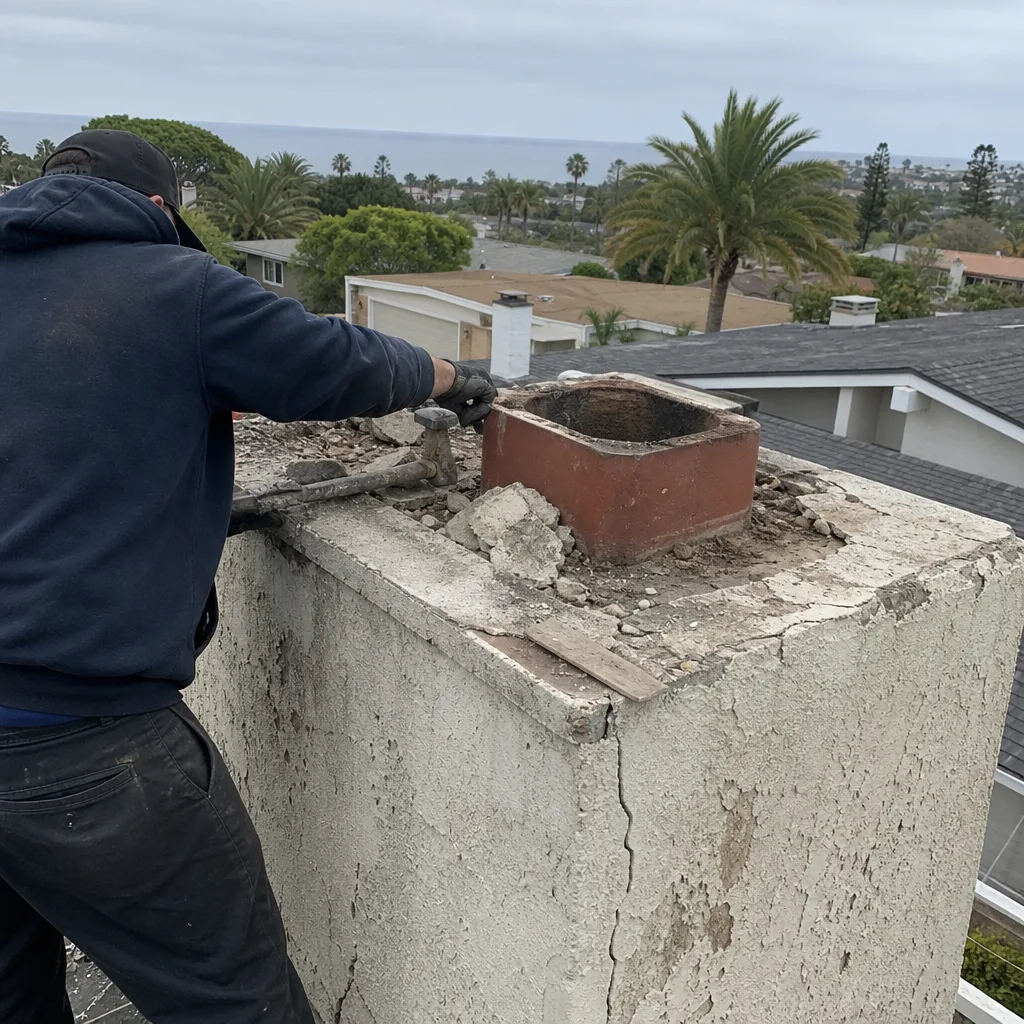 Before
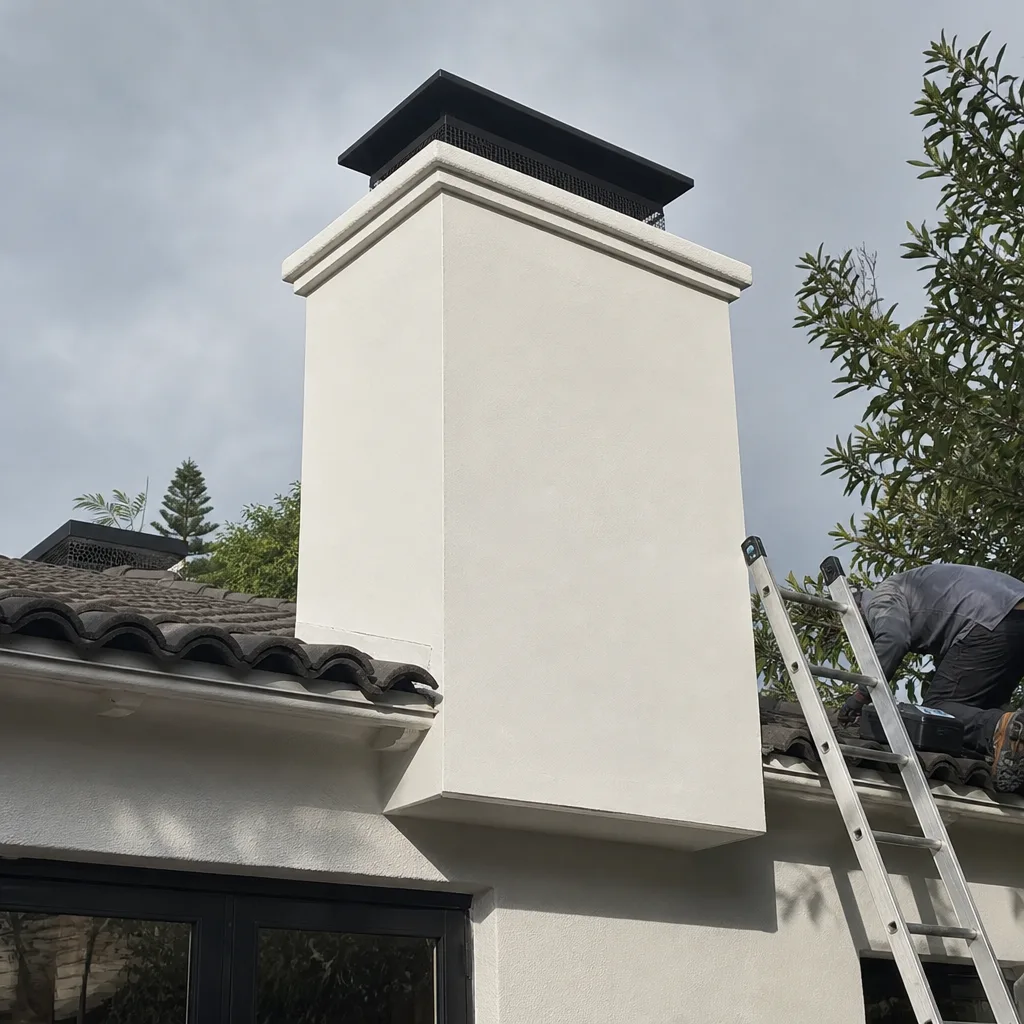 After
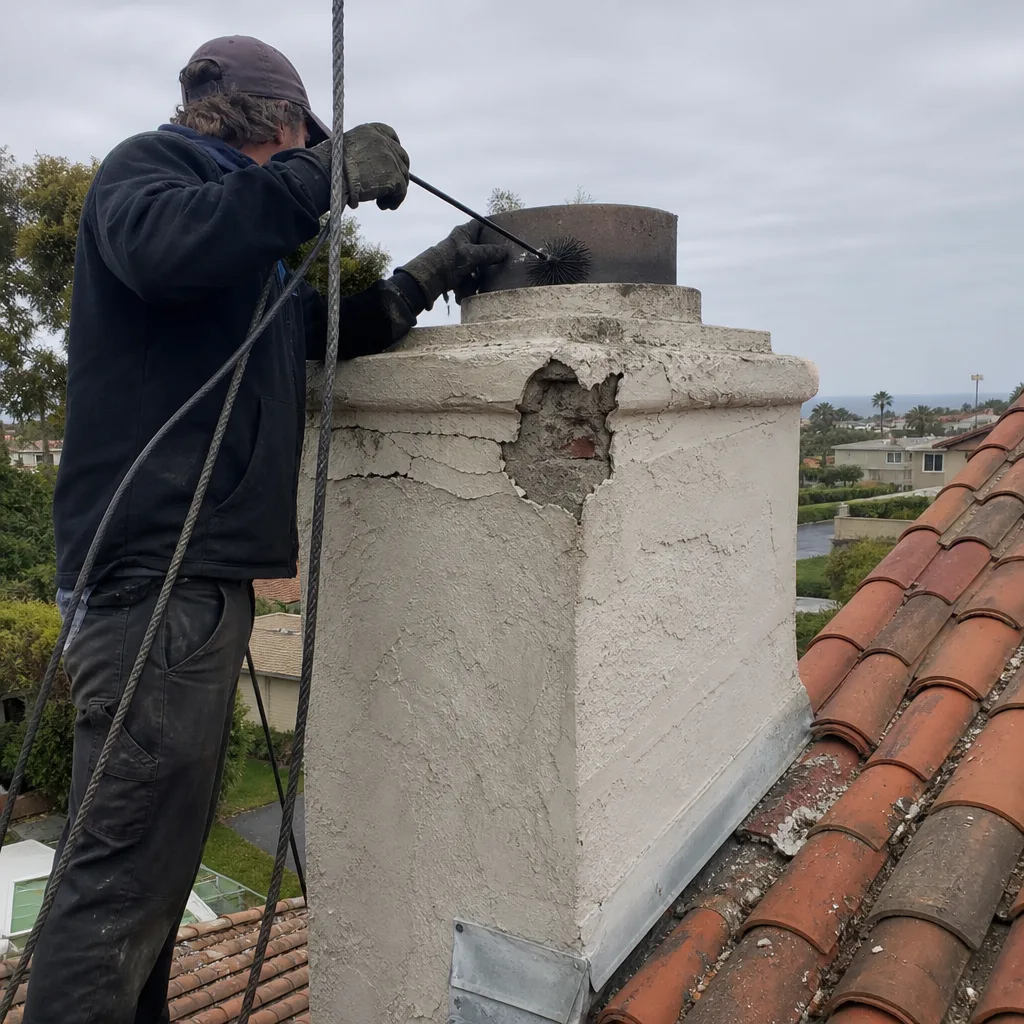 Before
 After
 Before
 After