
Last updated November 2, 2026
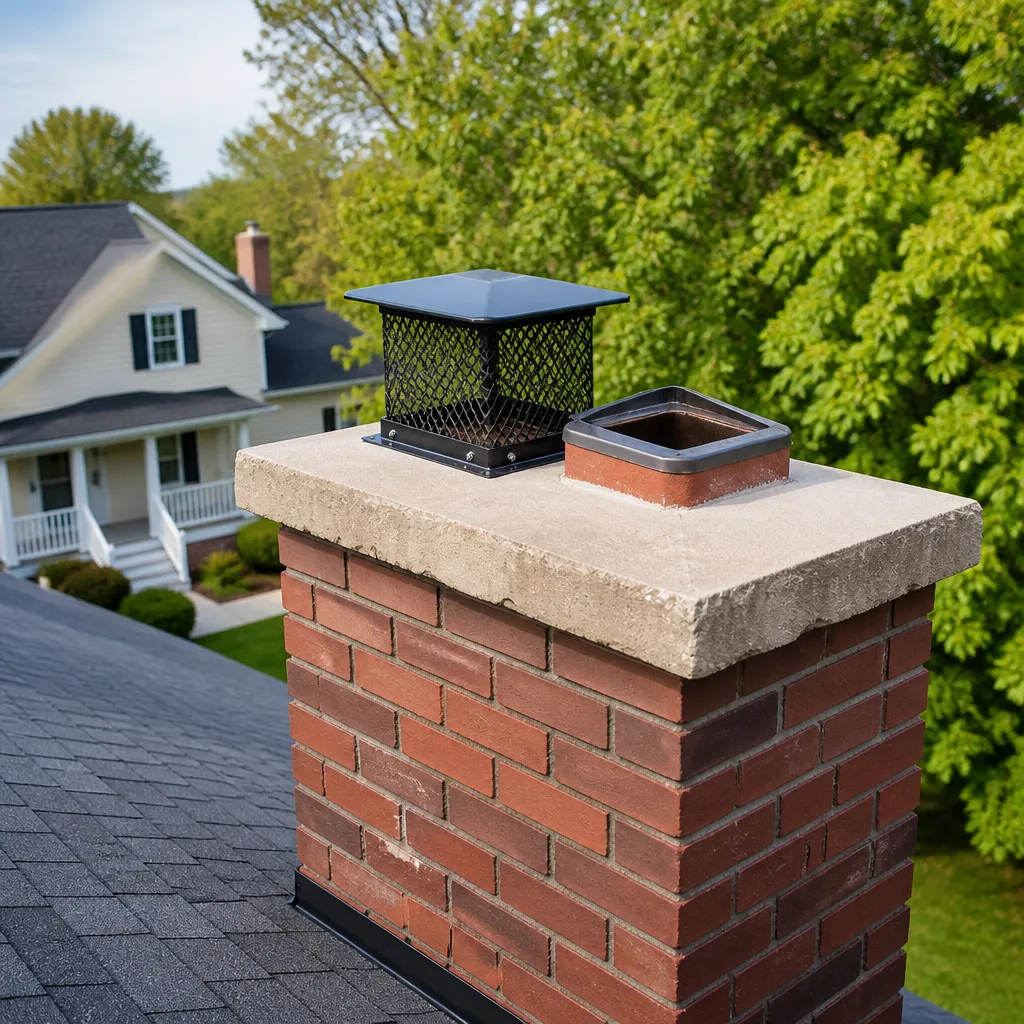 Sweep & inspection
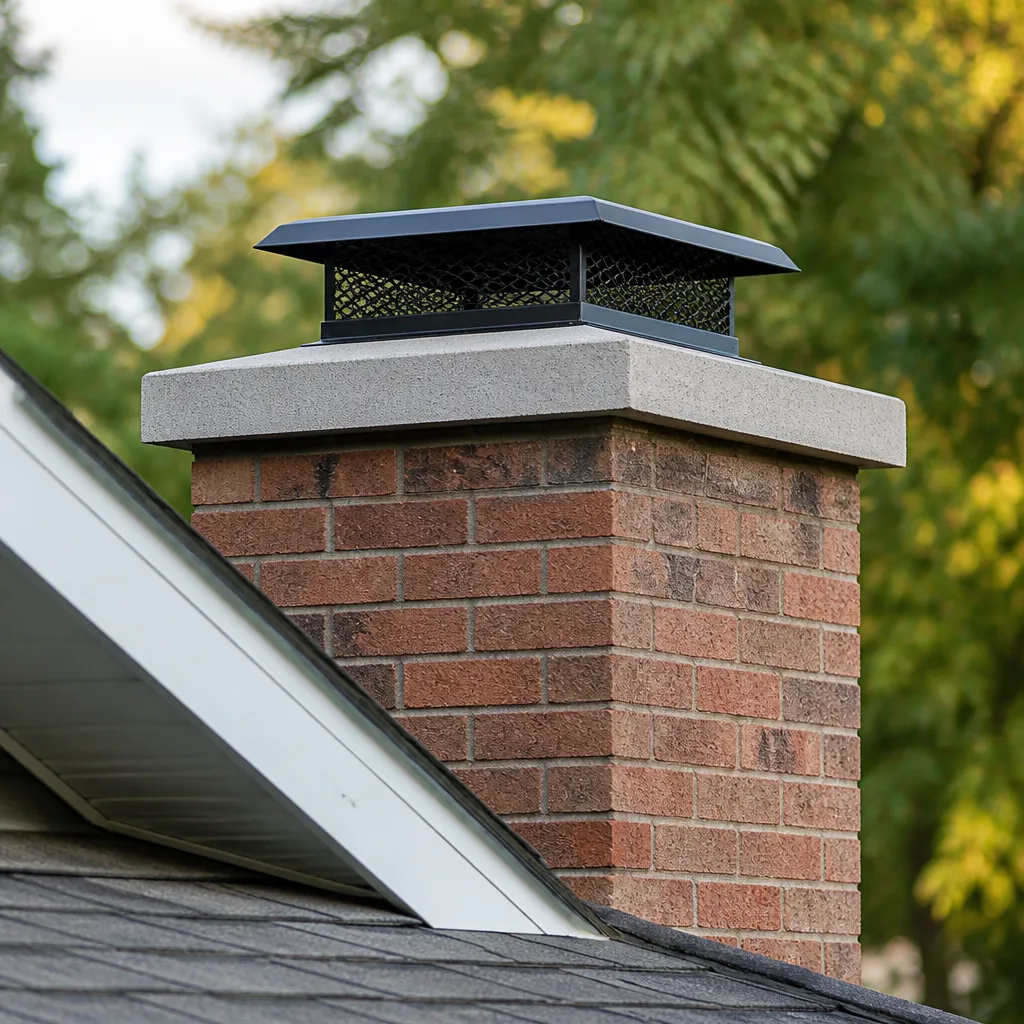 Caps & crowns
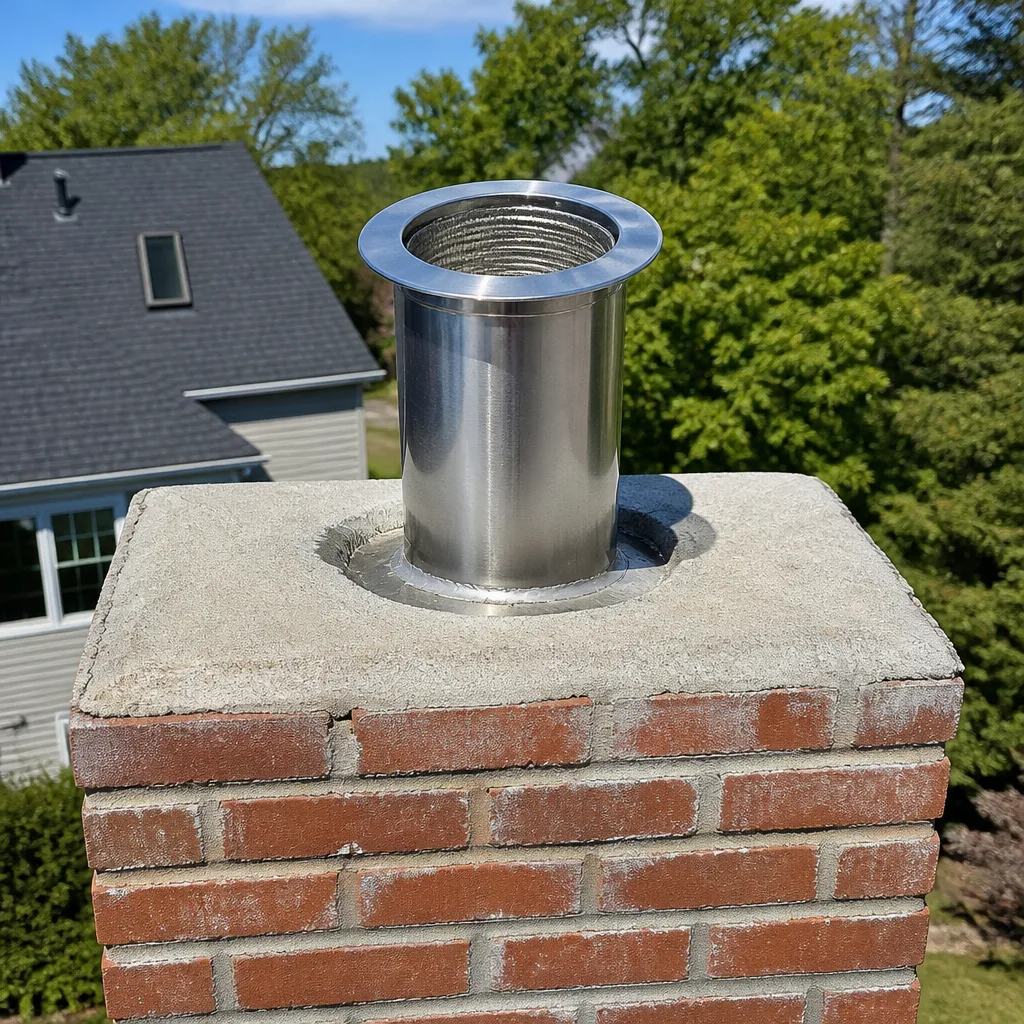 Flue relining
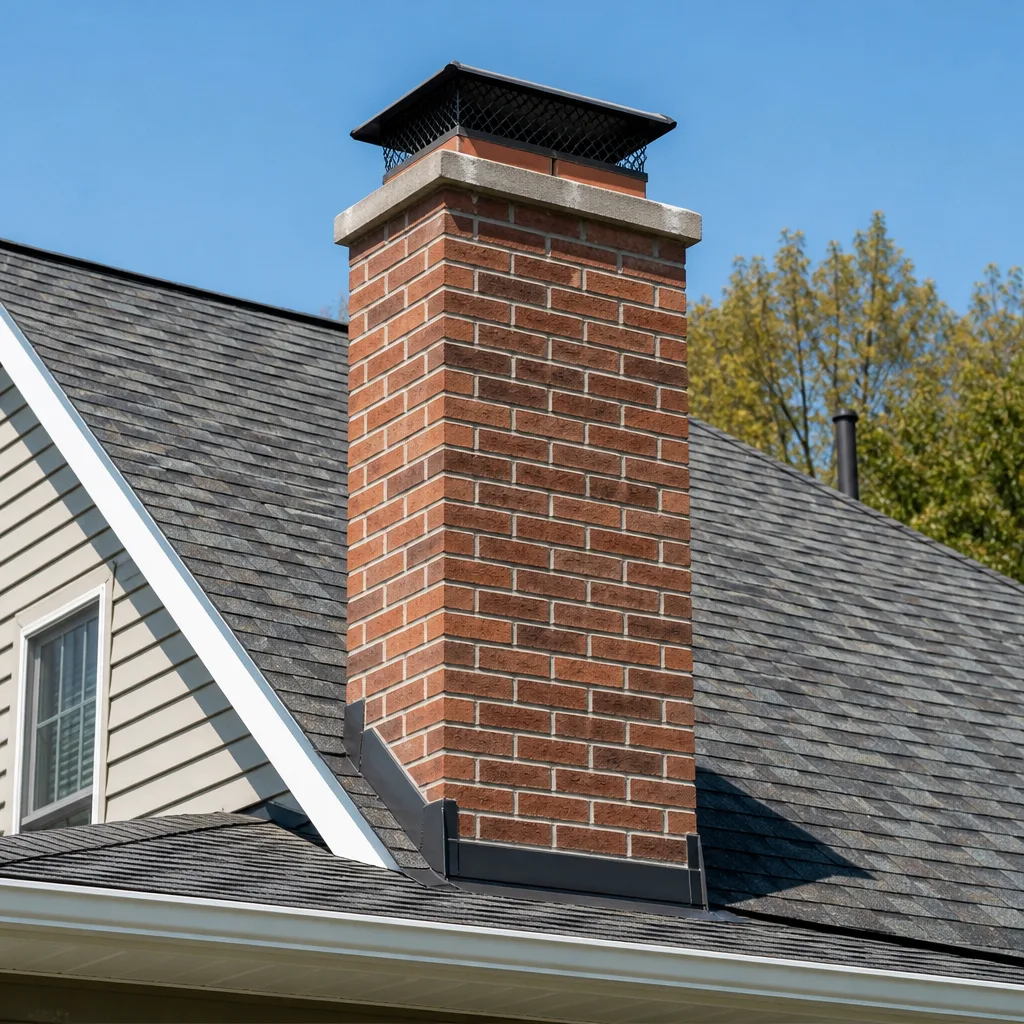 Masonry repair
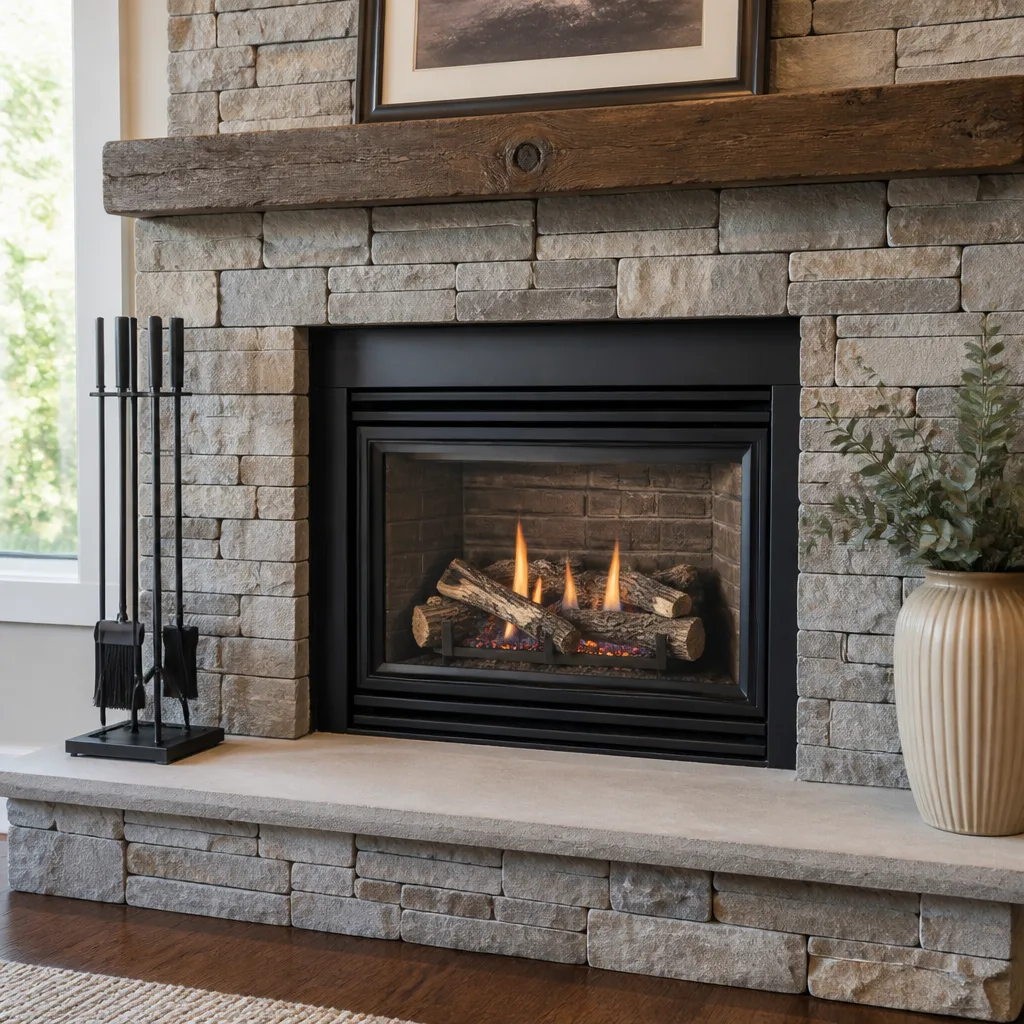 Gas fireplace service
Level 1 sweep and inspection to the NFPA 211 annual standard - flue, crown, cap, and flashing checked and photographed
Chimney sweep logs do not sweep chimneys. They loosen some creosote - which then falls where a brush and vacuum still have to collect it.
Seasonal Chimney Cleaning Care for La Jolla: Year-Round Homeowner’s Guide
La Jolla homeowners use their fireplaces roughly 15 to 30 times a year on average. That’s just enough to accumulate a meaningful creosote layer inside the flue, but not enough to notice the gradual smell changes, draft shifts, or subtle smoke rollout that signal a problem building. This guide breaks down chimney care around La Jolla’s actual climate calendar: Santa Ana season, marine layer months, and the brief winter burn window, so you know exactly what to check and when, without guesswork. For Chimney Cleaning Cost Breakdown: The La Jolla Homeowner’s Reference for 2026, see our dedicated pricing guide.
Styles & brands we work with
- Sweep & inspection
- Caps & crowns
- Flue relining
- Masonry repair
- Gas fireplace service
Quick Answer
Chimney care in La Jolla should be scheduled around four distinct periods: a pre-Santa Ana inspection in October, active monitoring during the December through February burn season, a post-season cleaning between March and May, and moisture-focused checks during the June through September marine layer months. A professional inspection once a year plus a cleaning after the burn season prevents the two biggest local risks: creosote ignition during dry fall winds and coastal moisture damage over summer.
Table of Contents
- Why La Jolla Has a Different Chimney Calendar Than the Rest of the Country
- October: The Pre-Santa Ana Inspection Window
- December Through February: What to Monitor During Burn Season
- March Through May: Post-Season Cleaning Before Summer
- June Through September: Marine Layer Moisture and the Off-Season
- Year-Round: Dryer Vent Maintenance in La Jolla’s Coastal Air
- Common Mistakes to Avoid
- When to Call a Professional
- Frequently Asked Questions
- The Bottom Line
Why La Jolla Has a Different Chimney Calendar Than the Rest of the Country
Most chimney care guides assume four distinct seasons with an obvious burn window. La Jolla doesn’t work that way. The marine layer keeps coastal temperatures moderate year-round, so there’s no hard freeze that forces homeowners to fire up the hearth every night from October through March. Instead, fireplace use here is sporadic, driven by a handful of chilly evenings and holiday gatherings. That intermittent use pattern creates a specific risk profile.
Creosote, the flammable byproduct of wood combustion, doesn’t care how often you use your fireplace. It accumulates by volume of wood burned, not by calendar consistency. A household that burns three fires a week in January, then nothing until April, then two fires over Thanksgiving, still builds creosote. The problem is that the long idle stretches between burns let that creosote sit, harden, and sometimes absorb moisture from the coastal air. By the time Santa Ana winds arrive in the fall, that creosote layer is dried out and primed for ignition at lower temperatures than fresh creosote would be.
La Jolla’s coastal humidity adds another variable. Homes within a mile of the shoreline experience salt-laden morning fog during May Gray and June Gloom. That moisture finds its way into chimneys through uncapped flues, cracked crowns, and deteriorating mortar joints. What follows is a slow but steady degradation of the masonry and liner materials that most homeowners never see until a professional inspection uncovers it. The Chimney Sweep La Jolla home team has inspected hundreds of coastal chimneys where a single summer of marine layer exposure did more damage than five years of regular burn-season use.
What This Means for Your Schedule
- Your chimney still needs an annual inspection even if you only burn 10 fires a year. Low use doesn’t mean no creosote, and moisture damage happens regardless of burn frequency.
- The timing of your cleaning matters as much as the frequency. Cleaning in the right part of the year extends liner life and reduces fire risk during peak hazard months.
- Dryer vent maintenance in La Jolla follows a different schedule than inland San Diego because coastal lint absorbs moisture and clogs faster. More on that below.
October: The Pre-Santa Ana Inspection Window
Santa Ana winds in San Diego County typically peak between October and December. These offshore winds are dry, gusty, and relentless, with humidity levels sometimes dropping into the single digits. For chimney fire risk, that combination is the equivalent of spreading kindling around your flue. Creosote that has sat drying all summer reaches its most flammable state right as the winds arrive.
October is the critical inspection window for La Jolla homeowners who want to burn safely during the holiday season. A professional inspection at this point catches several problems before they turn dangerous, and our Chimney Cleaning Emergency Preparedness Guide for La Jolla Homes explains what to do if issues arise:
- Creosote buildup above the quarter-inch threshold. The National Fire Protection Association specifies that anything beyond 1/8 inch of creosote warrants cleaning. October inspections routinely find 1/4 to 1/2 inch in chimneys that haven’t been cleaned in two or more years. That’s a house fire waiting for a spark.
- Cracked flue tiles from the previous season’s heating cycles. Thermal expansion and contraction stress clay liners, and small cracks become bigger ones over a summer of sitting idle. Once a crack opens, heat and combustion gases can reach the surrounding masonry.
- Nesting debris from spring and summer. Birds and small animals love an uncapped chimney. October inspections regularly pull out dried grass, twigs, and the occasional abandoned nest. Ignite that material and you have an instant chimney fire regardless of your creosote level.
- Damaged or missing chimney caps. A cap that came loose in winter storms or Santa Ana gusts leaves your flue open to both animals and moisture. October is the time to replace it, before the burn season and before winter rains.
- Chase cover or flashing deterioration. On prefabricated chimneys, the metal chase cover at the top rusts from constant coastal exposure. A rusted-through chase cover lets water pour directly into the flue and framing. Repairs now prevent interior ceiling damage later.
We schedule a high volume of inspections in La Jolla during October specifically because this is when Santa Ana fire-risk season begins in San Diego County. Waiting until December means burning during the highest-risk window without knowing what the inside of your flue looks like.
December Through February: What to Monitor During Burn Season
Once your chimney has been inspected and cleaned, the burn season in La Jolla runs from roughly December through February, with occasional use extending into early March. During this window, you don’t need a technician standing by, but you should know what normal looks like so you can catch early warning signs. The most useful skill a homeowner can develop is recognizing when the fireplace is telling you something has changed.
What to Watch Each Time You Light a Fire
- Smoke rollout. When you open the damper and light the fire, smoke should draw up the flue within a minute or two. If smoke spills into the room, something is obstructing the draft. It could be creosote narrowing the passage, a damper not fully opening, or negative air pressure from a tightly sealed coastal home. Smoke rollout is never normal and never something to tolerate.
- Odor changes. A properly drafting fireplace should not fill your living room with a campfire smell beyond the immediate firebox area. A strong, persistent wood-smoke odor, especially noticeable when the fireplace is cold or on humid mornings, often indicates creosote residue, a blockage, or air pressure issues pulling air down the chimney instead of up it.
- Draft behavior on different days. You might notice the fireplace drafts fine on a crisp December evening but struggles on a foggy January afternoon. That’s not your imagination. Marine layer conditions affect chimney draw. But consistent draft failure across varied conditions points to a physical problem rather than a weather one.
- Soot accumulation on glass doors or the firebox floor. A thin film is normal with wood fires. Heavy, rapid buildup within a single burn often signals incomplete combustion from inadequate air supply or wet wood.
- Rumbling or popping sounds coming from the flue. If you hear something that sounds like a distant train or a deep rumble while a fire is burning, that’s the sound of a chimney fire actively burning in the flue. Close the damper if you can safely reach it, evacuate, and call 911. A chimney fire can reach flue temperatures above 2,000 degrees Fahrenheit and crack liners, melt mortar, and ignite the roof structure within minutes.
Chemicals can also leave a chemical odor that intensifies with heat, which is typically a sign of previously burned material or residue in the firebox. If you smell something sharp or acrid that doesn’t smell like wood smoke, stop burning and have the chimney inspected.
Burn Season Burning Practices That Reduce Creosote
- Burn only seasoned hardwood. Oak, hickory, or madrone that has split and dried for 12 to 24 months burns hotter and produces far less creosote than green wood or softwoods like pine and fir. Wet wood smokes, and smoke condenses into creosote.
- Maintain a hot, established fire rather than a smoldering one. Small, hot fires produce less creosote than large, damped-down fires that smolder for hours. A fire that’s starved of oxygen to “last longer” is a creosote factory.
- Open the damper fully and leave it open. Partially closed dampers slow exhaust flow, letting more creosote condense on the flue walls.
- Never burn treated lumber, painted wood, plywood, or trash. These release toxic fumes and often create sticky, corrosive deposits that are harder to remove than regular creosote.
If you’re planning a season of regular burning and haven’t had an inspection yet, do it before the next fire. The Chimney Sweep in La Jolla service handles inspections and cleanings with the same visit, so you walk away knowing the flue is clear and safe.
March Through May: Post-Season Cleaning Before Summer
Most homeowners think you clean a chimney before the burn season starts. That’s a reasonable assumption, but it leaves out what happens during the months the fireplace sits idle. In La Jolla, the smarter move is to clean after the burn season ends, and here’s the specific reason: creosote is acidic, and when it sits on clay flue tiles or a stainless liner through a humid coastal summer, that acid has months to etch and corrode the surface.
Fresh creosote from a winter of fires is soft and corrosive. Left in place through the marine layer months, it hardens while continuing to eat at the liner. By the time fall arrives, you have a more difficult cleaning job and a liner that has aged faster than it should have. March through May is the window to remove that creosote before moisture-laden summer air interacts with it. We’ve inspected chimneys in La Jolla where a single skipped post-season cleaning led to pitted clay tiles that eventually needed full relining. A cleaning at $200 to $350 would have prevented a repair ten times that cost.
The Post-Season Cleaning Sequence
- Inspection of the flue interior. Before any sweeping begins, a camera or bright light inspection maps the creosote level, liner condition, and any cracks or gaps. This is where we tell you exactly what we found, and show you with photos.
- Mechanical sweeping with proper-sized brushes. Wire or poly brushes sized to the flue diameter scrape creosote from the walls. This is done from above or below depending on the chimney’s configuration, with drop cloths and a HEPA vacuum controlling dust.
- Smoke chamber and damper cleaning. Creosote accumulates in the smoke chamber above the damper assembly, and it’s often missed by basic sweeps. This area needs attention during every cleaning because residual creosote there is a common source of stubborn odor complaints
- Firebox cleaning. Ash and creosote residue in the firebox get removed, and the firebrick gets inspected for cracks that could allow heat to reach framing.
- Final visual check and recommendations. After the sweep, the flue gets a final look to confirm the cleaning was complete and to note anything else, like a loose cap or deteriorating crown, that deserves attention.
If the cleaning uncovers flue damage, we can handle the repair without sending you to another contractor. That might mean a HeatShield ceramic resurfacing if the damage is localized, or a DuraFlex stainless liner if the existing flue is beyond saving. The point of cleaning is never just to leave the chimney clean. It’s to find out what the chimney actually needs. Learn more about Chimney Repair in La Jolla options when cleaning isn’t enough.
June Through September: Marine Layer Moisture and the Off-Season
From June through September, La Jolla sits under the marine layer for a solid portion of nearly every morning. That means cool, dense, moisture-laden air moving in from the Pacific, settling over coastal neighborhoods, and finding its way into every opening on the roof. Your chimney is one of those openings.
An uncapped flue during a single summer absorbs more moisture than most homeowners would believe. Water entering the flue runs down the liner, soaks into the masonry of the smoke chamber, and seeps into mortar joints. Over repeated marine layer cycles, that moisture causes several predictable problems:
- Efflorescence. White mineral staining appears on the exterior chimney brick or stone as water dissolves salts in the masonry and deposits them on the surface. Efflorescence itself is cosmetic, but it’s a reliable signal that water is moving through the chimney structure. Ignore it and you’re ignoring active water intrusion.
- Spalling. When absorbed water goes through repeated expansion and contraction cycles, brick and stone faces start cracking, flaking, and popping off. Spalling is structural damage, not cosmetic wear. Once the masonry face is gone, the softer interior of the brick gets exposed and degradation accelerates.
- Crown cracking. The concrete crown at the top of a masonry chimney is designed to shed water. Hairline cracks from thermal cycling let water through in tiny but persistent streams. Over a single off-season, crown cracks can widen enough to become visible channels for water.
- Damper rust. The metal damper at the top of the firebox is directly exposed to any moisture that enters the flue. Rusted dampers seize up, fail to seal, and let conditioned air escape the home year-round. Replacing a rusted damper is straightforward but avoidable with a proper cap and crown.
- Liner degradation. Moisture reacts with creosote residues to form acids that attack clay liners and stainless steel. A flue that gets wet repeatedly through summer is a flue that will need restoration or relining years earlier than it should.
What to Check During the Marine Layer Months
- Look at the exterior chimney crown. From a safe vantage point, check for visible cracks or missing concrete chunks. Binoculars work if you can’t get close.
- Check for a cap. If you don’t have a chimney cap, schedule that install before the next marine layer season. A proper cap with spark-arrestor mesh prevents both moisture intrusion and animal entry. Famco and Olympia Chimney caps we install are stainless or copper, built for decades of salt air exposure.
- Smell the fireplace after a rainy morning. If you get a damp, musty odor from the firebox after fog or rain, water is getting in somewhere. Mark that as an immediate inspection priority.
- Look for staining on the ceiling around the chimney chase. For prefab chimneys, water stains on the interior ceiling near the chase point to a failed flashing or chase cover. Chasing this down early prevents drywall and framing repair later.
Coastal moisture is the most underrated chimney threat in La Jolla because it never looks dramatic. There’s no storm, no flood, no single event. Just a slow, relentless dampness that does more damage over five off-seasons than most flues do in twenty burn seasons.
Year-Round: Dryer Vent Maintenance in La Jolla’s Coastal Air
Most national guidelines recommend cleaning dryer vents once a year. In La Jolla, the standard schedule deserves a second look. Coastal air carries more moisture than inland air, and moist lint doesn’t flow through the vent the way dry lint does. It clumps, it sticks to the vent walls, and it traps more lint behind it. The result is a vent that reaches dangerous restriction levels faster than the same household would experience in, say, Poway or El Cajon.
For La Jolla homes, we recommend a quarterly visual check and a professional Dryer Vent Cleaning in La Jolla at least once a year, with shorter intervals if any of these apply:
- Your dryer vent run is longer than 15 feet from dryer to exterior exit
- The vent has multiple elbows or turns
- You have a newer high-efficiency dryer that moves more air and pushes lint faster
- Laundry is a daily or near-daily activity in your household
- You’ve noticed drying times getting longer across multiple loads
- The exterior vent flap doesn’t fully open when the dryer runs
Clothes dryer fires in the United States number in the thousands every year, and the overwhelming majority trace back to lint accumulation in the vent system. Lint is highly combustible, and a restricted vent forces the dryer to run hotter, which further dries the accumulated lint until it ignites. The National Fire Protection Association has documented this pattern for decades, and it holds true in San Diego coastal communities where moisture makes lint stickier and harder to dislodge without mechanical brushing.
A Simple Quarterly Check for La Jolla Homeowners
- Run the dryer and check the exterior vent. Stand outside near the vent exit while the dryer runs. The flap should be visibly open with a strong flow of warm, moist air. Weak flow or a barely open flap means restriction.
- Time a standard load. If a heavy towel load that used to dry in 40 minutes now takes 60 or 70, the vent is telling you it’s clogged. Longer drying times on multiple loads are the earliest reliable warning sign.
- Feel the dryer exterior. Excessive heat on the dryer body, especially the top or rear, indicates the machine is working harder than it should be. That heat is wasted energy going into a restricted vent.
- Look for lint around the exterior vent opening. Lint accumulating on the outside of the flap means the path is narrow enough that lint is backing up and being pushed through gaps.
Because chimney and dryer vent cleaning both affect fire safety, the same visit can handle both systems. Homeowners who schedule a chimney sweep for October often add a dryer vent cleaning at the same time, before holiday laundry and guest use begin. It’s not an upsell. It’s a second exhaust system in the home that presents the same class of fire risk. Check our Chimney Cleaning Permits, Codes & Inspections in CA: What You Need to Know to ensure your service meets state requirements.
Common Mistakes to Avoid
- Skipping the post-season cleaning because “the chimney looks fine.” You can’t see inside the flue from the living room. Creosote builds where you’ll never notice it, and the acidic damage happens during the off-season, not during burns. A chimney that looks fine is often the chimney that costs the most to repair later.
- Using the fireplace as an all-purpose trash burner. Wrapping paper, pizza boxes, and junk mail burn hot and fast, but they also send loose ash and embers up the flue and create unusual creosote deposits. Only burn what’s meant to be burned: seasoned hardwood.
- Ignoring a broken damper. A damper that doesn’t close properly is a year-round energy leak, sending conditioned air up the chimney when the fireplace isn’t in use. In La Jolla’s mild climate it’s less about heating loss and more about humidity management, but a stuck damper also signals rust and moisture problems.
- Assuming a prefab chimney doesn’t need maintenance. Prefabricated chimneys are metal systems with their own maintenance needs: chase covers rust, joints leak, and the pipe itself can corrode from coastal salt air. In some ways, prefab chimneys in La Jolla need more attention than masonry because they’re built to tighter tolerances.
- Waiting until the first cold snap to schedule an inspection. The first chilly weekend of December is when every fireplace in La Jolla gets lit for the first time. That’s also when every chimney company’s schedule backs up. Book in October and walk into burn season with a cleaned, inspected flue.
- Treating the dryer vent as a separate, lower priority. Lint fires don’t care whether the exhaust path is a chimney or a dryer vent. Both systems move hot air and combustion byproducts through the home. Both need regular cleaning. The fact that you can’t see the lint doesn’t mean it isn’t there.
- Believing a chimney cap is optional. A cap is one of the least expensive components of the entire chimney system and it prevents the most expensive problems: animal entry, water damage, and ember escape during fires. In coastal La Jolla, the moisture protection alone pays for the cap within one or two off-seasons.
When to Call a Professional
Some things need a professional, full stop. Call a chimney sweep if you see white staining on the exterior brick, hear rumbling from the flue while a fire burns, smell damp mustiness from the firebox after fog, notice smoke rolling into the room when the damper is fully open, or haven’t had an inspection in over two years despite regular fireplace use. Call if your dryer takes dramatically longer to dry loads, if the exterior vent flap doesn’t open fully during operation, or if you’ve never had the vent cleaned in a home you’ve owned for multiple years. These aren’t maintenance suggestions. They’re warning signals that a system isn’t working the way it should. Chimney Sweep La Jolla offers free estimates in La Jolla. Call (833) 952-1418 and we’ll inspect what’s happening, show you what we find, and tell you plainly if the work can wait.
Frequently Asked Questions
A chimney in La Jolla should be cleaned after every cord of wood burned, or at minimum once per year, with the best window being March through May after the burn season ends. Even a household that burns only 15 to 20 fires a season builds enough creosote to warrant an annual cleaning, especially with the coastal moisture that hardens creosote and accelerates liner corrosion during the off-season. Call (833) 952-1418 to schedule a cleaning and inspection at the same visit.
A standard chimney sweep and inspection in La Jolla typically runs $150 to $350 depending on the chimney’s size, configuration, and creosote level. That’s significantly less than even a minor liner repair, which is why annual cleaning is the cheapest long-term strategy. For an exact quote, call (833) 952-1418 and we’ll give you a flat price before the appointment.
Yes, because creosote accumulates by volume of wood burned, not by how regularly you use the fireplace, and moisture damage happens regardless of how often you light a fire. In fact, intermittent use is sometimes worse because creosote sits undisturbed through humid marine layer months, hardening and absorbing moisture. An annual inspection catches problems while they’re still cheap to fix.
You can do basic maintenance like checking the exterior flap of your dryer vent and looking for visible cap damage from the ground, but a proper chimney sweep requires specialized brushes sized to your flue, professional vacuum systems with HEPA filtration, and the experience to spot cracks or damage that a homeowner would miss. Improper sweeping can damage older clay liners and leave you with a false sense of safety about creosote that wasn’t fully removed.
A chimney liner is the inner surface that contains heat and combustion gases, and it needs replacement or restoration when cracks allow heat to reach the surrounding masonry or when the liner has deteriorated beyond safe function. Warning signs include pieces of tile at the bottom of the firebox, visible cracks during an inspection, or a liner that’s no longer properly sized for the appliance connected to it. Depending on the damage, we may recommend a HeatShield resurfacing to restore the existing liner, or a DuraFlex stainless steel reline to replace it entirely.
La Jolla’s marine layer adds moisture to the air that passes through your dryer vent, making lint stick to the vent walls instead of blowing freely to the exterior. That moisture-laden lint traps more lint behind it, building restriction faster than the same dryer would experience in a drier inland climate. Quarterly exterior checks and at least annual professional cleanings are the practical schedule for coastal homes. Call (833) 952-1418 to book a Dryer Vent Cleaning in La Jolla that includes camera inspection and before-and-after photos.
The Bottom Line
La Jolla’s chimney care doesn’t follow the national template. Our fireplaces work intermittently, our marine layer attacks idle chimneys, and our Santa Ana season turns accumulated creosote into a genuine fire hazard every fall. The formula that works here is simple: inspect before Santa Ana season, monitor during burn season, clean after the season ends, and keep the flue capped and sealed through the marine layer months. Do those four things, and both your fireplace and your dryer vent will spend their lifetimes doing what they’re supposed to do: keeping your home warm and your clothes dry, without ever becoming a fire risk you didn’t see coming. Explore more guides & resources on chimney and vent maintenance.
Written by the team at Chimney Sweep La Jolla, serving La Jolla since 2015.
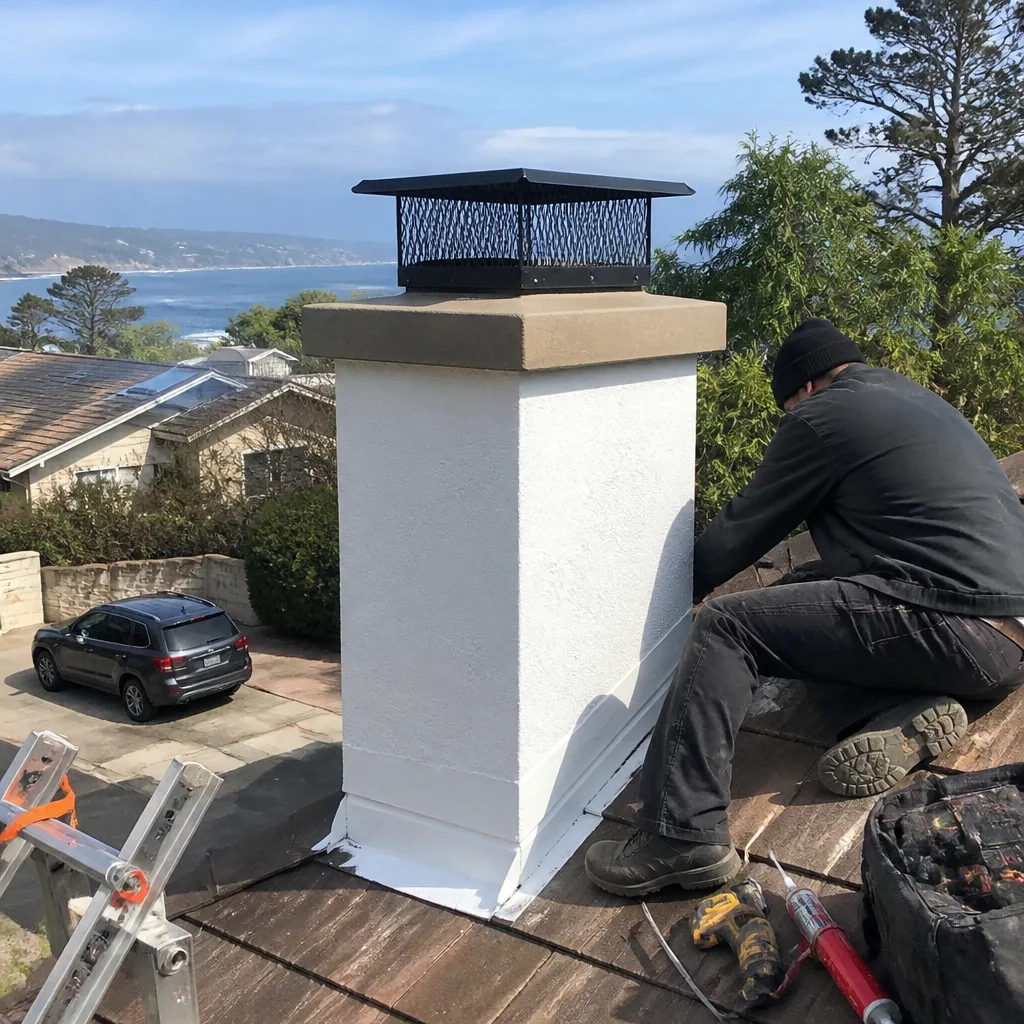
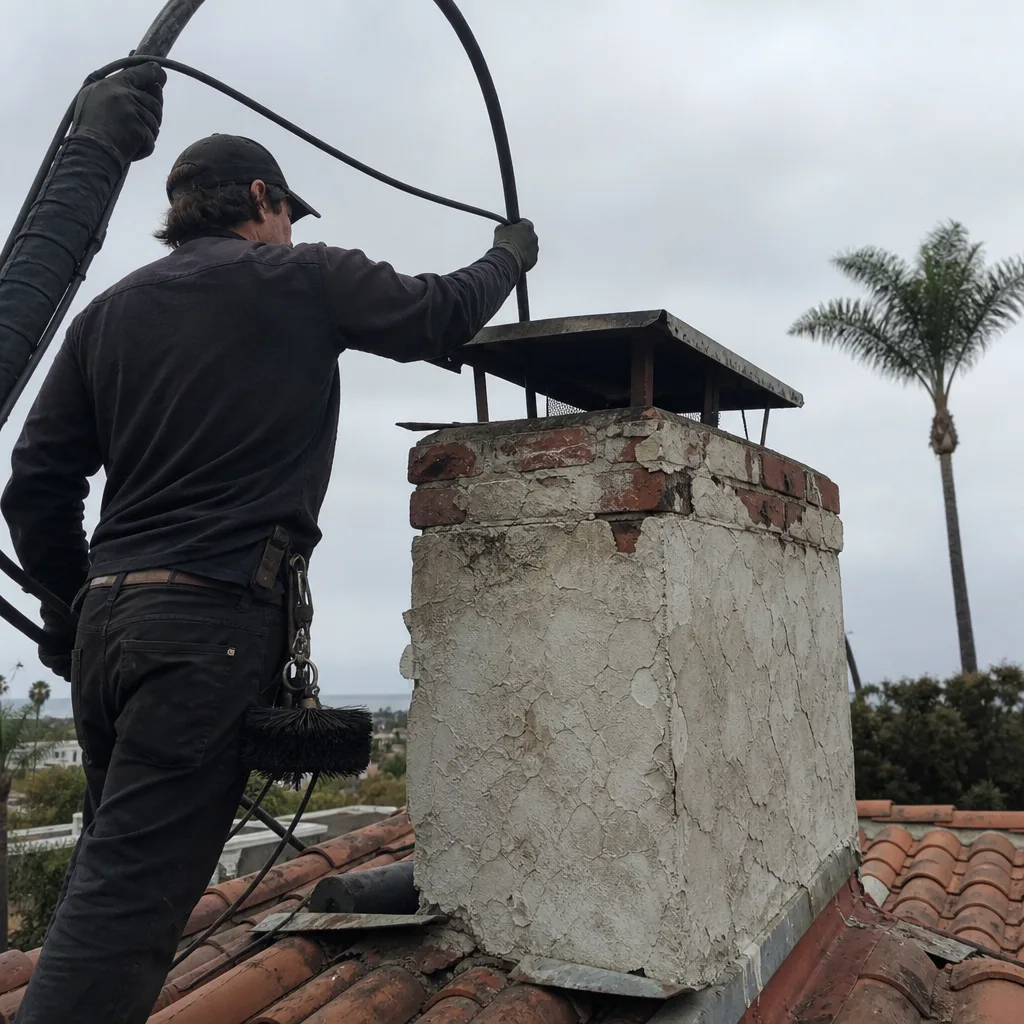
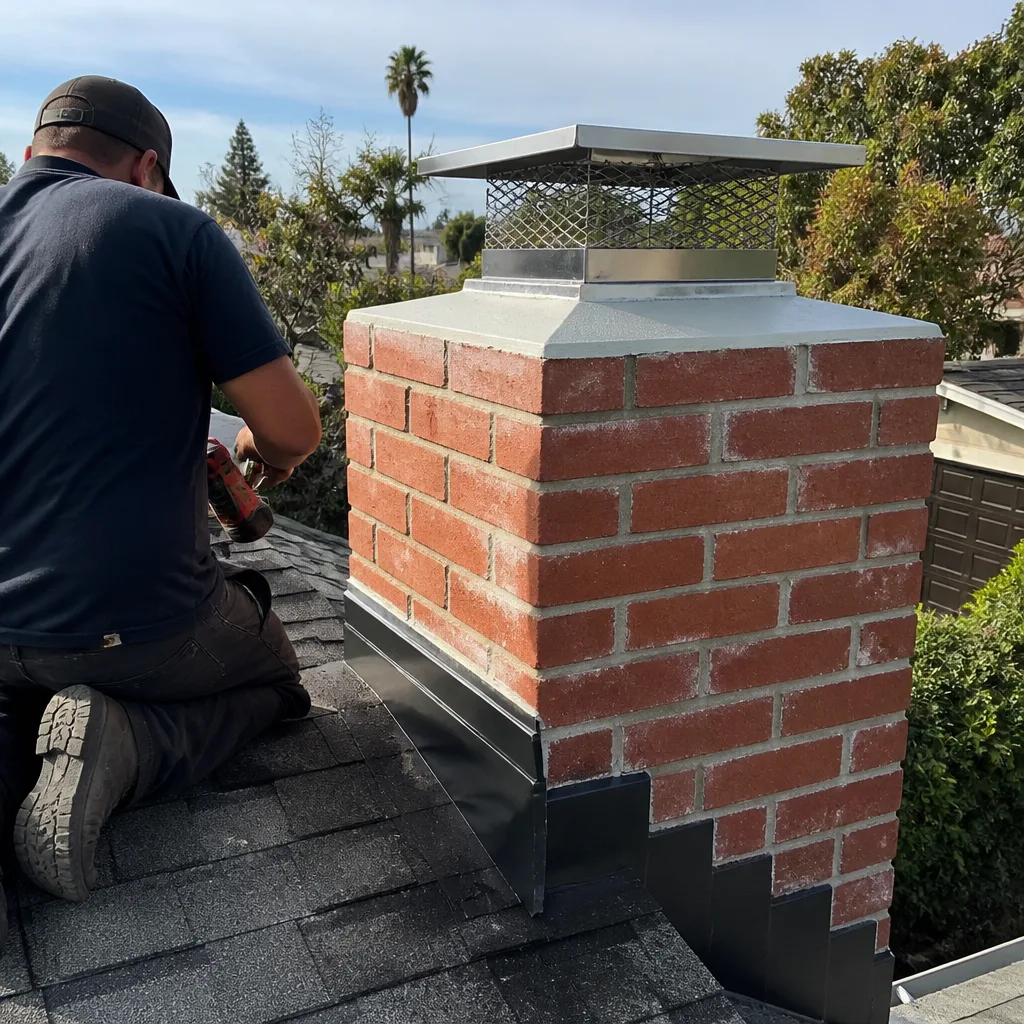
See the difference
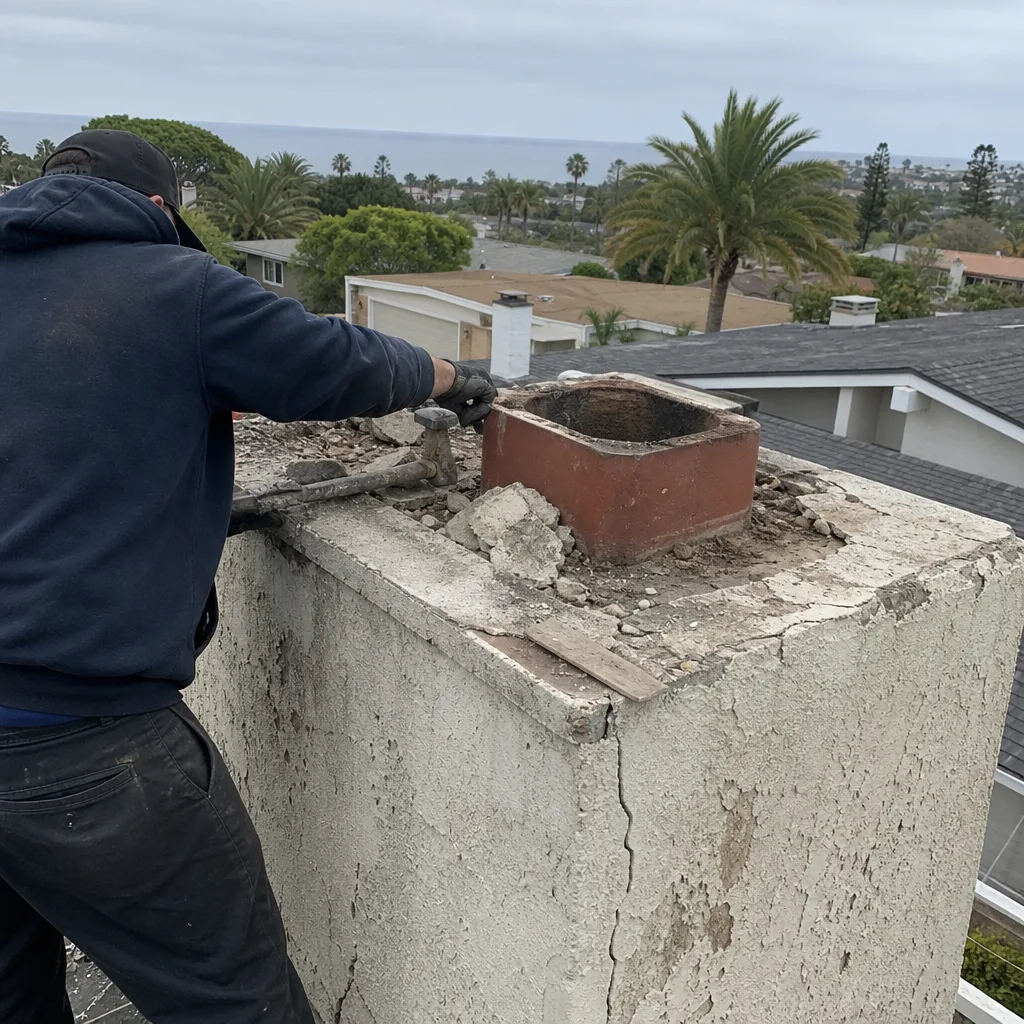 Before
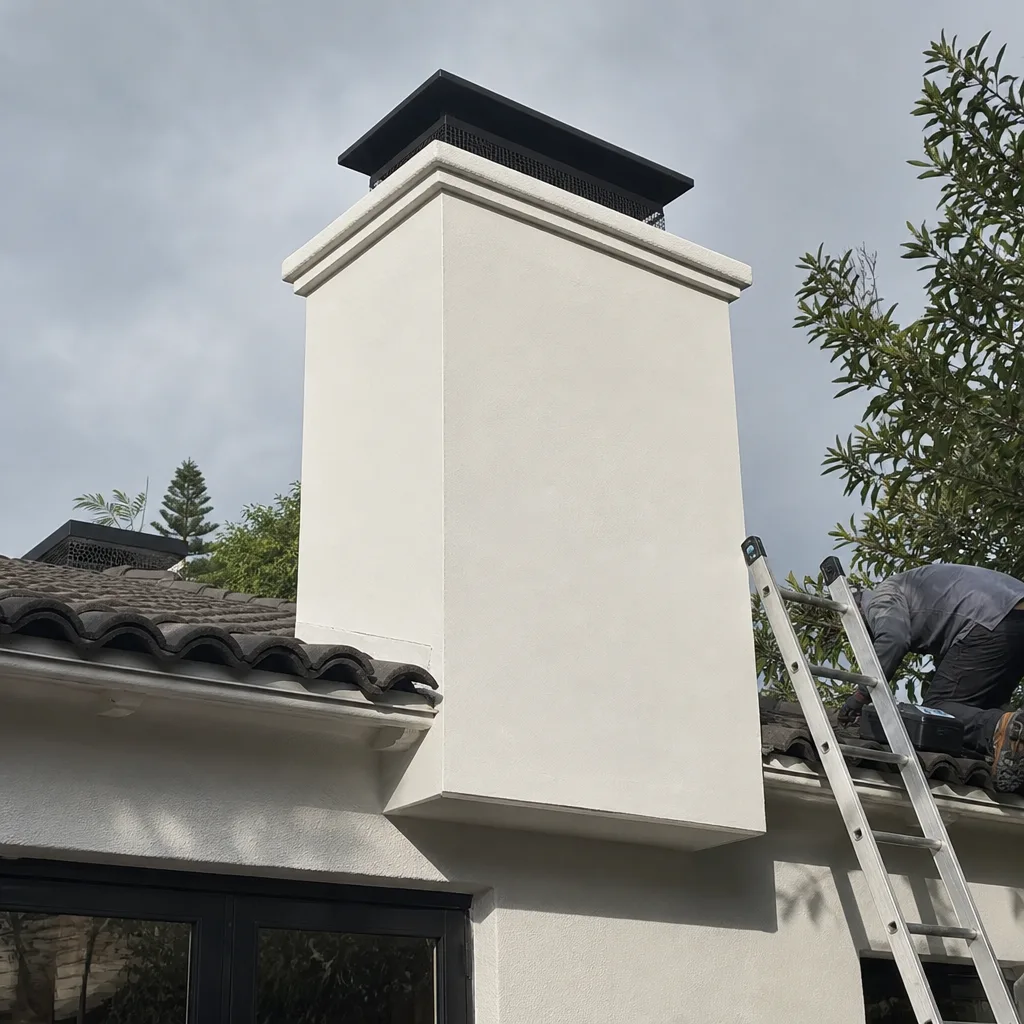 After
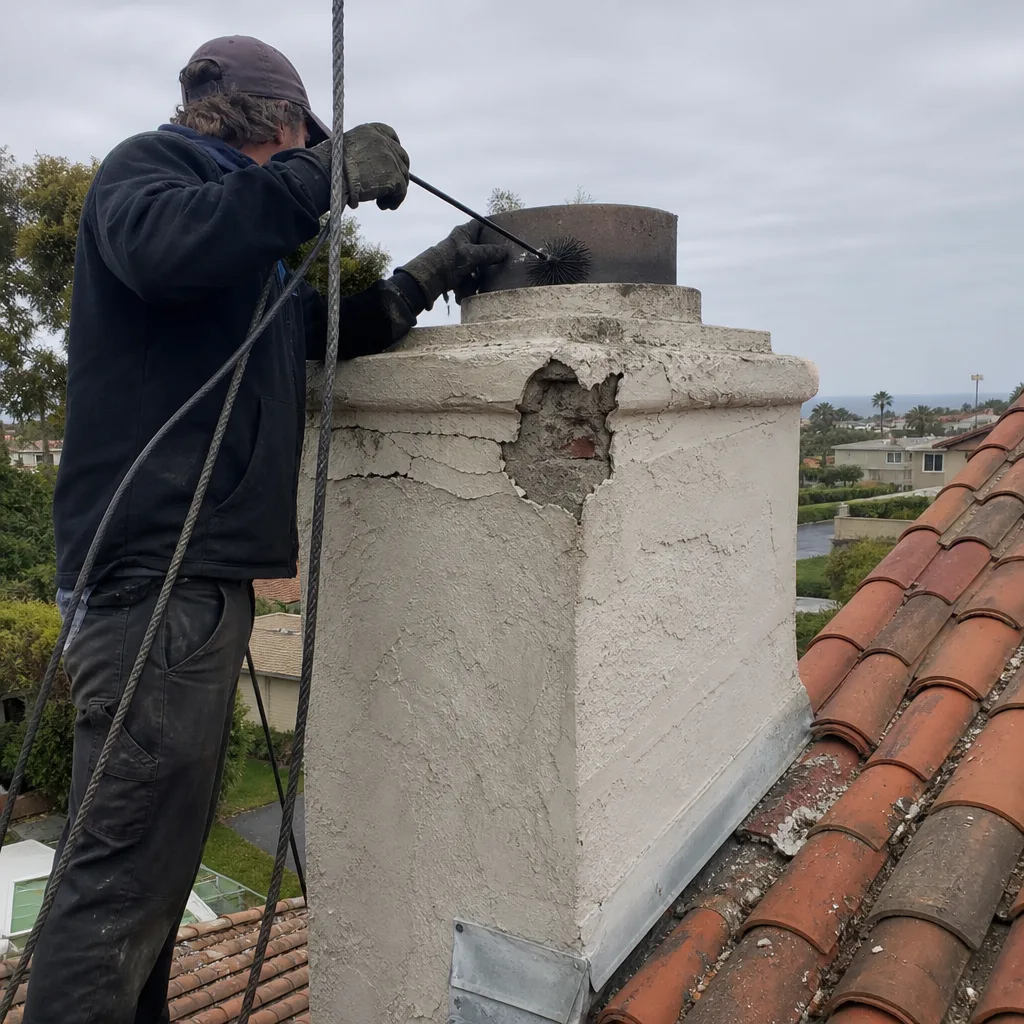 Before
 After
 Before
 After