
Last updated November 2, 2026
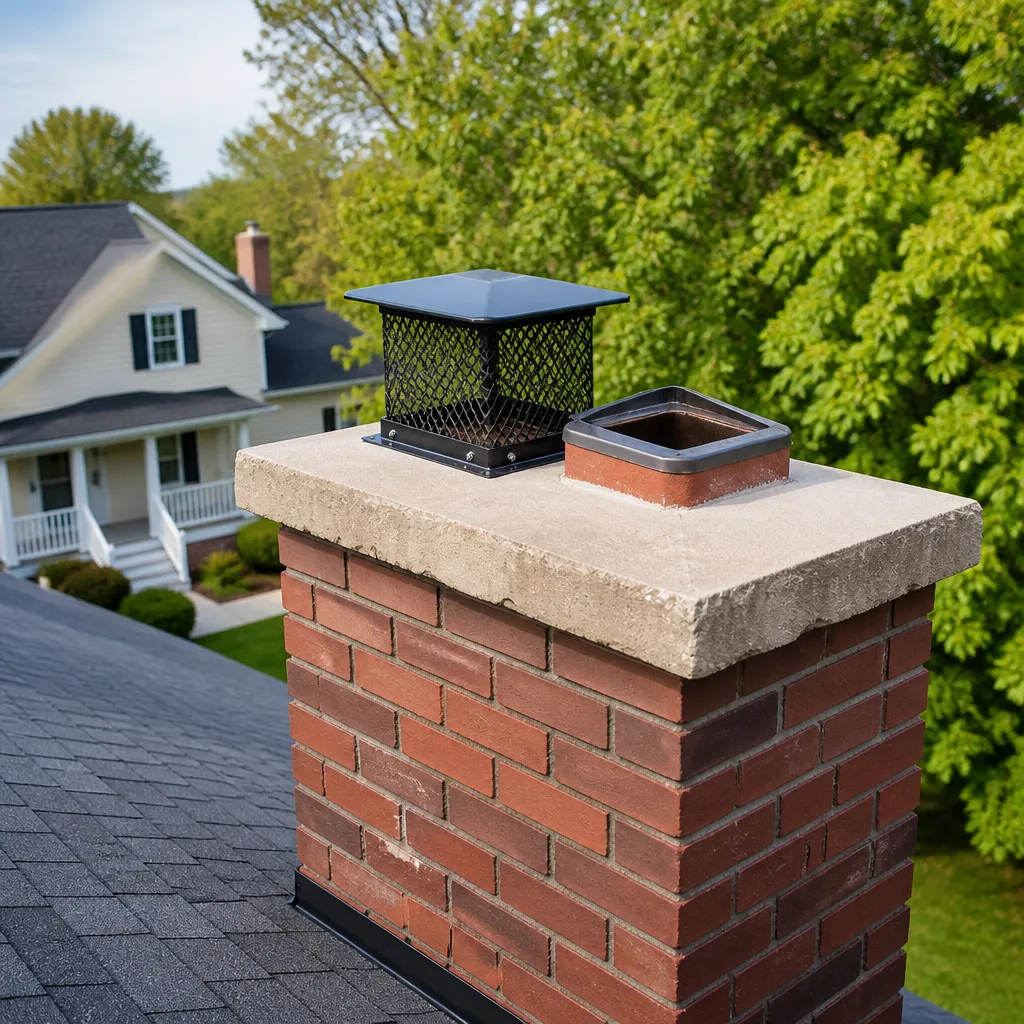 Sweep & inspection
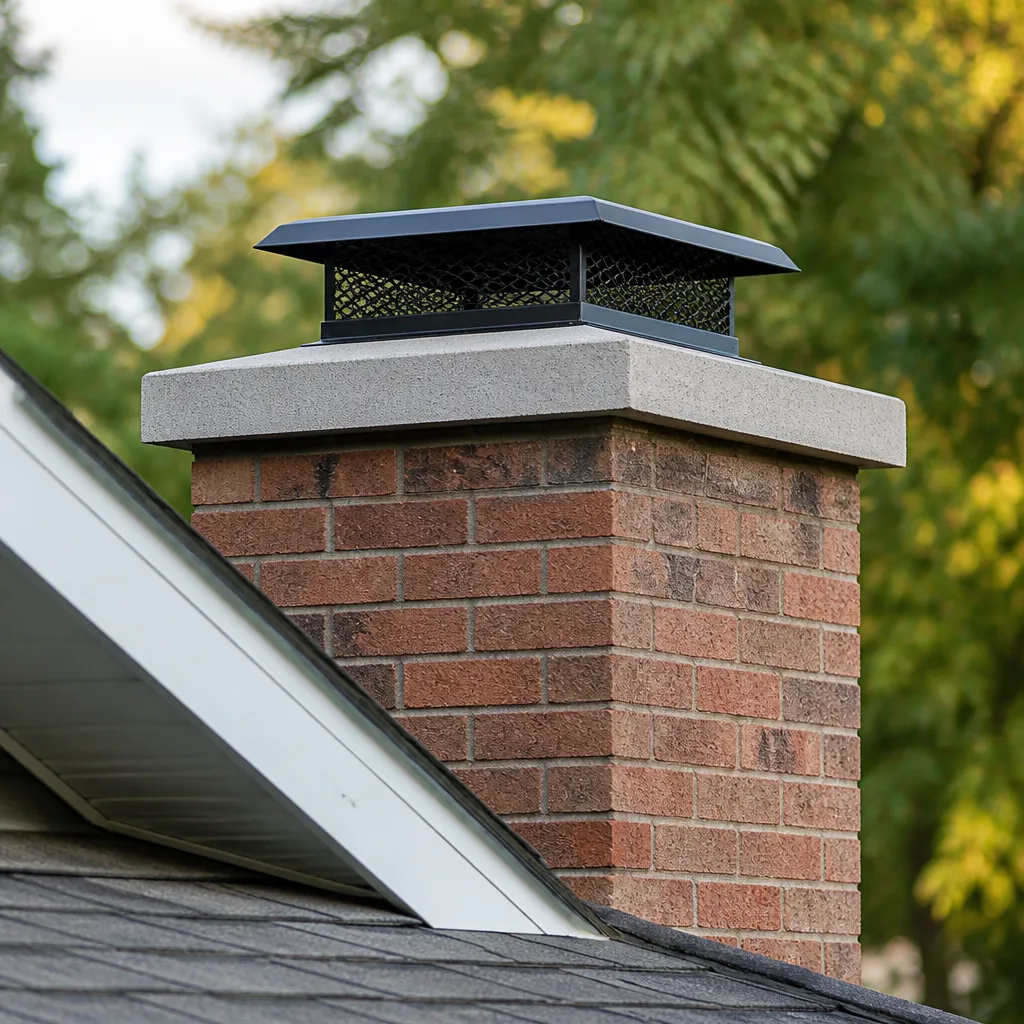 Caps & crowns
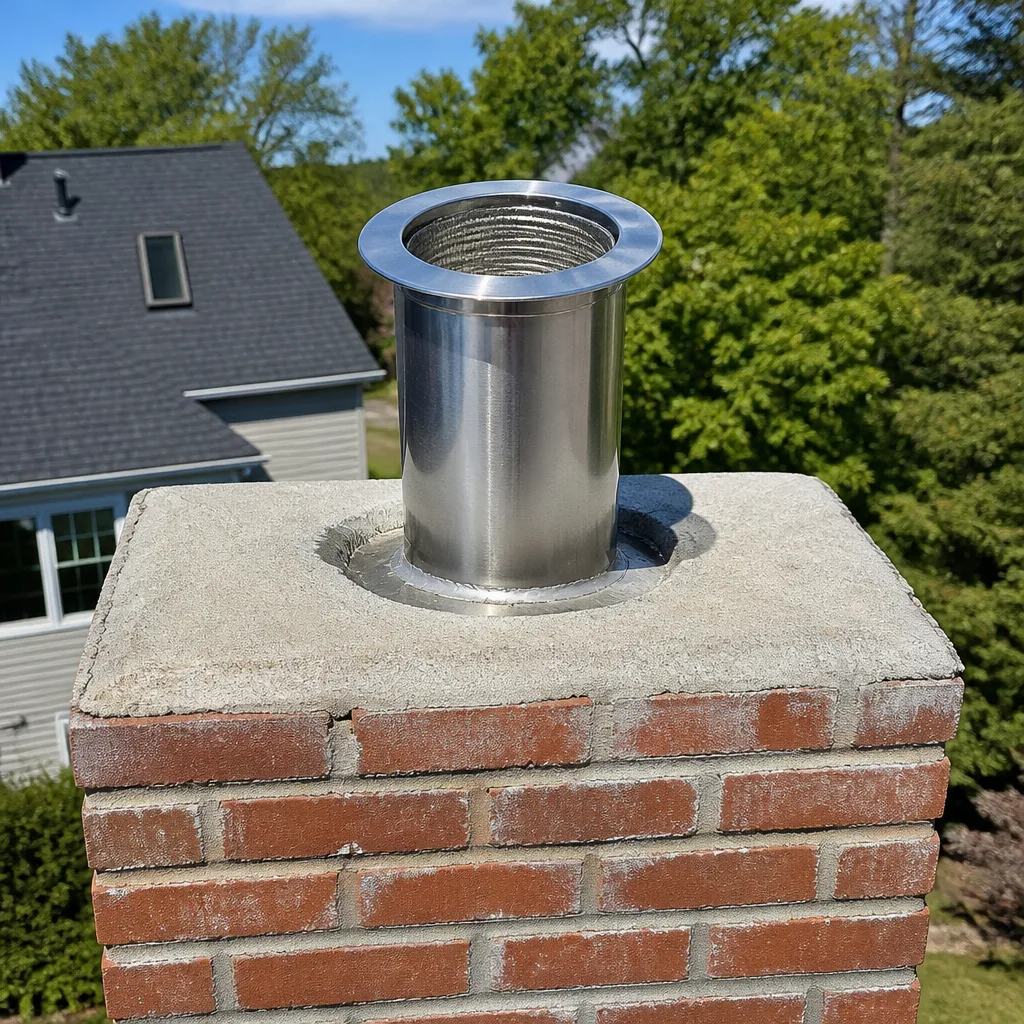 Flue relining
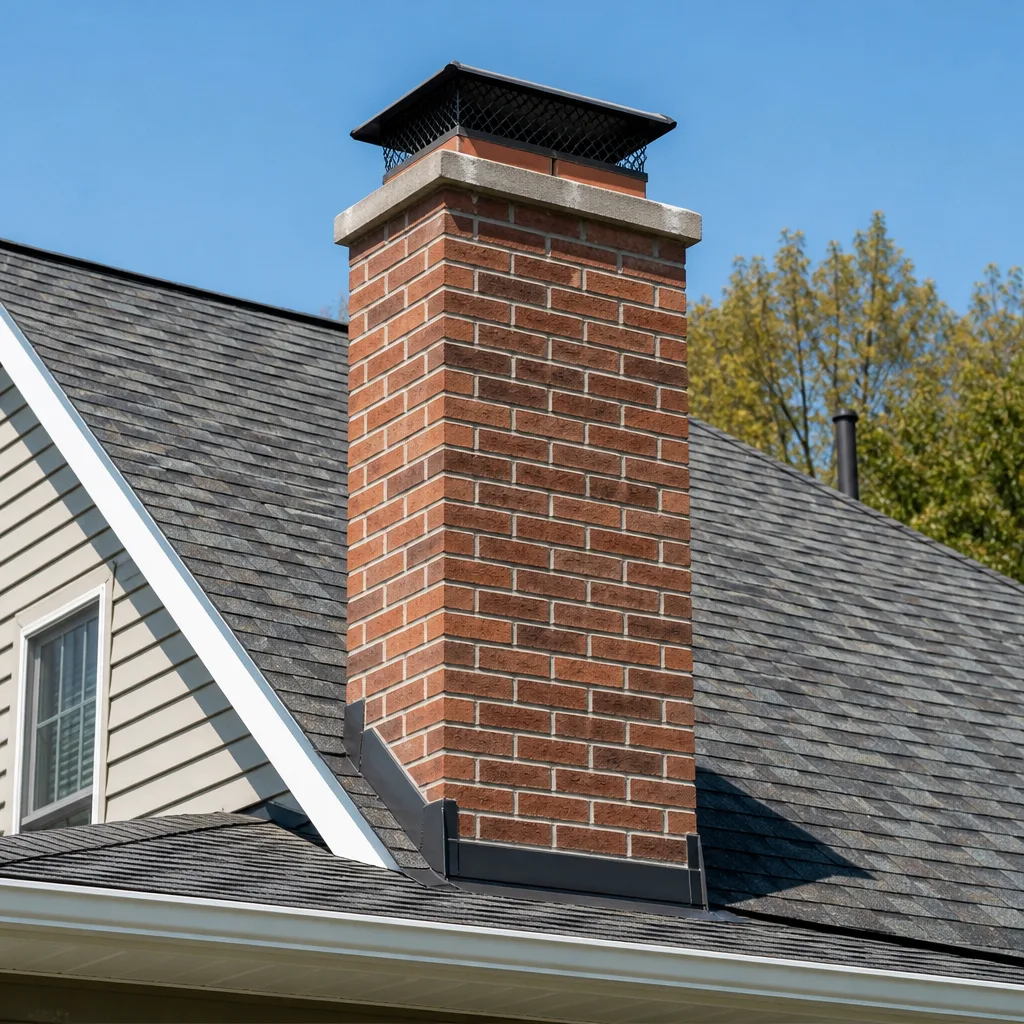 Masonry repair
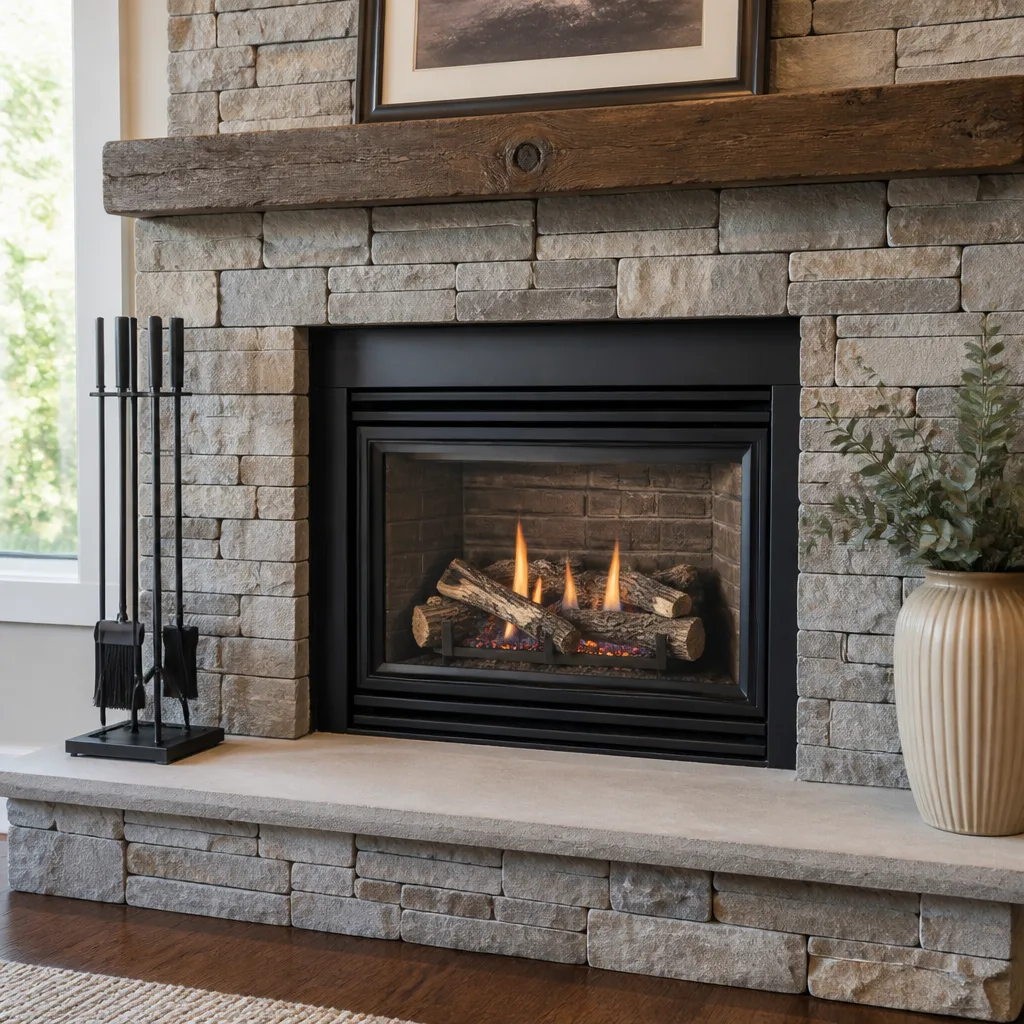 Gas fireplace service
Level 1 sweep and inspection to the NFPA 211 annual standard - flue, crown, cap, and flashing checked and photographed
Chimney sweep logs do not sweep chimneys. They loosen some creosote - which then falls where a brush and vacuum still have to collect it.
Chimney Cleaning Emergency Preparedness Guide for La Jolla Homes
San Diego County has experienced three of California’s top-20 most destructive wildfires. When a Santa Ana wind event pushes dry air through La Jolla at 40 to 60 miles per hour, a chimney with a damaged or missing spark arrestor stops being a maintenance issue and becomes an ignition source for an entire neighborhood. County code requires spark arrestors on all wood-burning chimneys, but enforcement typically happens after a fire starts, not before. This guide covers what La Jolla homeowners actually need to know before the next Red Flag Warning: what the code says, what fails inspection, what to check before evacuating, and how to keep your documentation ready for an insurance claim. We’ll also walk through the less obvious risks, like carbon monoxide buildup during power outages and post-earthquake chimney damage that most homeowners never think to check.
Styles & brands we work with
- Sweep & inspection
- Caps & crowns
- Flue relining
- Masonry repair
- Gas fireplace service
Quick Answer
Chimney emergency preparedness for La Jolla homes means three things: confirming your spark arrestor meets San Diego County code before fire season, completing a professional chimney inspection after any wildfire smoke exposure or seismic event, and keeping inspection and repair records on file for insurance purposes. A chimney sweep and inspection typically costs $180 to $340 in La Jolla, and most homes can be serviced within a week of booking. The single most important preparation step is verifying that your spark arrestor has the correct mesh size and is undamaged, since that one component is the difference between containing embers and launching them.
Table of Contents
- Why La Jolla’s Fire Weather Makes Chimney Maintenance a Safety Obligation
- San Diego County Spark Arrestor Code: What’s Required and What Fails
- Red Flag Evacuation Checklist: Sealing Your Chimney Before You Leave
- Carbon Monoxide Risk During Power Outages: What La Jolla Homeowners Miss
- Post-Earthquake Chimney Inspection Protocol for La Jolla
- Insurance Documentation: What to Have on File Before a Chimney Fire
- Common Mistakes to Avoid
- When to Call a Professional
- Frequently Asked Questions
- The Bottom Line
Why La Jolla’s Fire Weather Makes Chimney Maintenance a Safety Obligation
La Jolla sits on the coast, but the coastal strip is not insulated from Santa Ana conditions. When high pressure builds over the Great Basin, air descends toward the Pacific and compresses as it drops in elevation. That compression heats the air and strips moisture from it. By the time it reaches La Jolla, relative humidity can sit in the single digits even with the ocean a few blocks away. The same wind that makes October afternoons feel clear and sharp is what fire agencies watch with the most concern.
The National Weather Service issues Red Flag Warnings for San Diego County when sustained winds reach 25 mph with gusts above 35 mph and relative humidity falls below 15 percent for several hours. Those conditions have occurred repeatedly in La Jolla in recent years, not just in inland fire corridors. During a Red Flag event, a single ember landing on a shake roof or in a dry gutter can ignite a structure fire in under five minutes. A chimney that discharges embers instead of containing them is effectively a launching mechanism during exactly the conditions where containment is least likely.
What we’ve seen in La Jolla chimneys over years of inspections is a pattern: homes built before the mid-1990s frequently have spark arrestors that were installed without regard to current mesh standards, or they’ve rusted through at the fastener points, or they were removed entirely during a roof repair and never replaced. Homeowners don’t notice because the chimney still draws fine. The problem only becomes visible during a fire event, when visible isn’t soon enough.
The practical takeaway: if you own a wood-burning fireplace or wood stove in La Jolla and you haven’t confirmed your spark arrestor condition within the last two years, your chimney is not prepared for the next Red Flag Warning. That’s not an exaggeration. It’s the same conclusion any Chimney Sweep in La Jolla would reach after seeing what Santa Ana wind does to exposed chimney components.
San Diego County Spark Arrestor Code: What’s Required and What Fails
San Diego County code requires a spark arrestor on every chimney or flue connected to a solid-fuel appliance. The requirement is not optional for any wood-burning fireplace, wood stove, or pellet stove. The arrestor must be constructed of non-combustible material, typically stainless steel or galvanized steel, and must fully cover the flue outlet.
The specific requirement that most homeowners and many handymen get wrong is the mesh size. County code follows the California Building Standards Code, which specifies that spark arrestor screening must have openings no larger than one-half inch. That may sound large, but there’s a second requirement: the mesh must be heavy enough gauge to resist corrosion and mechanical damage, and it must be secured so that it cannot be displaced by wind, birds, or the heat cycling of the flue itself.
Here’s what commonly fails inspection in La Jolla:
- Hardware-cloth mesh instead of code-compliant arrestor mesh. Hardware store quarter-inch screening corrodes within two seasons of salt air exposure and crumbles under heat stress. We regularly remove arrestors that are more rust than metal.
- Arrestors installed with sheet-metal screws into the cap rim. The thermal expansion cycles of a chimney loosen these within a year. The arrestor then rattles, gaps open at the edges, and embers have a direct path out.
- Missing arrestor entirely. This is more common than most La Jolla homeowners expect, especially after roof replacements. Roofing crews sometimes remove the cap and arrestor to flash the chimney and never reinstall the arrestor.
- Plastic or fiberglass mesh. Yes, it happens. These melt on first use and provide zero protection after that point.
- Arrestor screens blocked with creosote glaze. A screen that’s coated with creosote restricts draft and becomes a fire hazard inside the flue. It needs cleaning or replacement.
When we specify replacement components for La Jolla chimneys, we use arrestors and caps from manufacturers like Olympia Chimney and Famco. These are the same brands specified in professional chimney service standards, and they’re built for coastal exposure. The materials matter here more than in most climates because La Jolla’s salt air accelerates corrosion in ways that inland San Diego doesn’t experience. A galvanized arrestor from a big-box store will look fine for a year and fail by year three. A stainless arrestor from a professional-grade manufacturer will outlast the roof it sits on.
The code requirement exists because embers from chimneys have started neighborhood fires in San Diego County. During Santa Ana conditions, an ember can travel more than a mile. When enforcement happens, it happens because a fire has already started and investigators trace the ignition point back to your flue. The liability exposure for a homeowner in that scenario is significant, and your insurer will ask exactly one question: was the arrestor installed to code.
Red Flag Evacuation Checklist: Sealing Your Chimney Before You Leave
When San Diego County issues an evacuation warning or order during a Red Flag event, your chimney should be part of your departure checklist. What you do with the chimney in the ten minutes before you leave can affect whether your home survives an ember shower.
Here’s a step-by-step evacuation checklist for La Jolla homeowners:
- Close the damper completely. If you have a top-sealing damper, close it. If you have a traditional throat damper above the firebox, close it firmly. The damper is the first line of defense against embers being drawn into the home through the flue during wind-driven pressure changes.
- Close glass fireplace doors if installed. If your fireplace has glass doors, close them and latch them. They provide a second barrier against ember intrusion.
- Check that the spark arrestor is intact. If you have roof access and time permits, visually confirm the arrestor is in place and not damaged. If you can’t access the roof, this check should have happened during your pre-season inspection, not during evacuation.
- Remove combustible items from the hearth area. Move firewood, kindling, newspapers, and furniture away from the firebox opening. If an ember does get through, you don’t want it landing on a pile of kindling.
- Close interior doors. Compartmentalization slows fire spread. Close the door to the room containing the fireplace.
One thing we tell La Jolla homeowners during fire season prep: if you know your damper doesn’t close fully, or you know the arrestor is missing, don’t leave that unaddressed. A chimney that can’t be sealed is a chimney that can’t be protected during evacuation. That’s a repair, not a cleaning issue, and it belongs on the Chimney Repair in La Jolla scope of work. A broken damper or missing arrestor should be fixed before fire season, not discovered during it.
There’s also a distinction worth making: evacuation warnings and wildfire smoke events are not the same thing. When smoke from a distant fire settles over La Jolla and you run your whole-house fan or HVAC system, your chimney is not actively drawing unless the damper is open. Keep the damper closed during smoke events. If you can smell smoke in the living room with the damper closed, you have a chimney air-leakage problem and should have it inspected.
Carbon Monoxide Risk During Power Outages: What La Jolla Homeowners Miss
When power goes out in La Jolla during a Santa Ana event or a winter storm, homeowners do predictable things: they light a fire in the fireplace, or they run a portable generator, or they burn candles and use the gas range for warmth. The carbon monoxide risk in these scenarios is real, and it’s not distributed evenly. A chimney that drafts fine under normal conditions can behave differently when the house is sealed up against wind and cold, when the HVAC system isn’t running, and when candles and range burners are consuming oxygen.
The specific failure mode we see in La Jolla homes is a partially blocked flue. The obstruction might be a bird nest, a creosote accumulation, a failed flue tile, or even a dead animal. Under normal conditions, the chimney still drafts enough to carry exhaust out. During a power outage, with the house buttoned up tight and the fire burning low and smoldering, the draft weakens and combustion gases spill back into the room. Carbon monoxide is odorless and invisible. The first symptoms are headache and drowsiness, which people misread as fatigue from a stressful situation.
Here’s what La Jolla homeowners should check before using a fireplace during a power outage:
- Confirm the chimney was swept within the last 12 months. A clean flue is a drafting flue. Creosote buildup narrows the passage and increases spillage risk.
- Confirm the smoke/carbon monoxide detectors are working on battery power. This is not optional. During a power outage, hard-wired detectors may not function unless they have battery backup.
- Open a window near the fireplace about one inch. This provides combustion air and supports draft.
- Burn only seasoned firewood, not scrap lumber, painted wood, or driftwood. Driftwood from La Jolla beaches, in particular, contains salt that vaporizes and corrodes flue components, and it burns unpredictably.
- Don’t run a generator in the garage, even with the door open. This sounds obvious, but during multi-day outages, people make bad decisions. Generator exhaust near a chimney intake or open window can be drawn into the home.
If you have concerns about your flue’s condition and you’re facing a potential outage season, a level of inspection that includes a camera scan of the flue interior is the right call. In our experience serving La Jolla, a camera inspection reveals obstructions and flue damage that a visual top-down look misses entirely. A chimney that hasn’t been camera-inspected in years is an unknown, and emergencies are the wrong time to discover that unknown.
Post-Earthquake Chimney Inspection Protocol for La Jolla
La Jolla sits far enough from the San Andreas Fault that most homeowners don’t think of earthquakes as a chimney risk. But the 2019 Ridgecrest earthquake sequence, which included a 7.1 magnitude event, produced shaking that was felt throughout San Diego County. Aftershocks propagated across the region, and as any structural engineer will tell you, masonry chimneys are among the most vulnerable building components in any seismic event. Cracks that appear minor at a glance can widen over subsequent seasons, and the failure often happens years later during a wind event or a hot fire.
The National Fire Protection Association and the Chimney Safety Institute of America both recommend post-earthquake chimney inspections when shaking is felt strongly enough to rattle dishes. For La Jolla homeowners, the Ridgecrest aftershocks that reached San Diego County are the reference point. If you felt those, and you haven’t inspected your chimney since, your chimney is operating on borrowed time.
What does seismic damage in a masonry chimney actually look like?
- Vertical or stair-step cracks in the chimney structure, especially near the roofline. Masonry chimneys are rigid. Ground movement shears them at the point of building interface.
- Separated mortar joints inside the firebox or smoke chamber. This can’t be seen from outside. It requires an interior inspection.
- Cracked or displaced flue tiles. This is invisible without a camera scan. A displaced flue tile creates a path for heat and exhaust to reach combustible framing.
- Loose cap or arrestor. The top components take the most displacement during shaking because they’re furthest from the base support.
- Damper that no longer seats correctly. The damper frame can warp when the firebox shifts.
A Level 2 inspection is what applies after a seismic event. It includes access to the roof, attic, and crawl space, plus a video scan of the flue interior. This goes well beyond what a standard annual sweeping inspection covers. For La Jolla homeowners with masonry chimneys built before modern seismic strapping requirements, we consider a Level 2 inspection after any felt earthquake to be the responsible baseline. The cost is modest compared to the alternative.
Insurance Documentation: What to Have on File Before a Chimney Fire
Insurance claims after a chimney-related fire follow a predictable pattern. The insurer asks for evidence that the chimney was properly maintained. If you can’t produce it, the claim gets delayed, denied, or reduced. The burden of proof sits with the homeowner, and the time to build the file is before a fire happens, not after.
Here’s what La Jolla homeowners should keep in a fireplace and chimney documentation folder:
- Sweep and inspection reports, dated and itemized. Every professional chimney sweep should provide a written report. Keep the physical copy in a file and a digital copy on your phone or cloud drive. The report should note the condition of the flue at the time of service.
- Photographs of the flue interior from camera inspections. A camera inspection produces images. Ask for copies. These show that the flue was intact at the time of inspection.
- Material specifications for any repairs performed. If you had a liner installed, a cap replaced, or a HeatShield resurfacing applied, keep the documentation of exactly what materials went in. Insurers want to see that code-compliant materials were used, not whatever was cheapest.
- Receipts for any Dryer Vent Cleaning in La Jolla or other venting service. Chimney fires and dryer vent fires are both exhaust-system claims, and a unified maintenance record strengthens your position.
- Photos of the chimney exterior taken annually, from the ground and from the roof. These document the condition of the cap, arrestor, and masonry over time.
- Any correspondence about needed repairs, even if you deferred them. If a sweep recommended a repair and you waited, the insurer will want to know. Having the record is better than not having it, even if the recommendation wasn’t followed immediately.
The documentation angle matters more in La Jolla than in most markets because wildfire claims in San Diego County are scrutinized heavily by insurers. After the 2003 Cedar Fire and 2007 Witch Creek Fire, insurers tightened their underwriting and claims processes across the county. A homeowner who can show five years of consistent chimney maintenance is in a materially different position than one who can’t.
Common Mistakes to Avoid
- Assuming the spark arrestor is fine because it was there when you bought the house. La Jolla’s salt air corrodes arrestors quickly. A home inspection from fifteen years ago tells you nothing about the arrestor’s condition today.
- Cleaning the chimney yourself with a store-bought brush kit and skipping the inspection entirely. DIY sweeping removes some creosote but reveals nothing about the flue’s structural condition, and it provides no documentation for insurance purposes. It also puts a homeowner on a roof without the safety equipment professionals use.
- Waiting until October to book a chimney sweep. Every La Jolla chimney service gets booked solid in the six weeks before fire season. The smart move is a spring or summer appointment, after the burning season ends and before the rush.
- Ignoring a damper that doesn’t close completely. A leaking damper is an air-loss problem year-round and a safety hazard during wildfire season. It also lets embers enter if high winds drive them down the flue.
- Burning driftwood from La Jolla Shores or Torrey Pines. Salt-soaked wood burns unpredictably and deposits corrosive residue in the flue. It’s a local habit that shortens chimney life.
- Assuming gas fireplaces don’t need inspection. Gas logs still produce heat and exhaust, and the venting still needs to be checked for blockages and corrosion. San Diego County code applies to gas venting too.
- Keeping smoke detectors but not carbon monoxide detectors. La Jolla homes with any fuel-burning appliance need CO detection. It’s the only way to catch the invisible risk described in the section above.
When to Call a Professional
Call a professional when you can’t confirm the condition of your spark arrestor or damper from the ground. Call if you’ve felt an earthquake and haven’t had a Level 2 inspection. Call if you smell smoke in the house with the damper closed, if you see creosote buildup visible from the firebox, or if your CO detector has activated with the fireplace in use. These are not conditions that resolve on their own, and La Jolla’s fire season does not wait for homeowner schedules to align.
Our approach at Chimney Sweep La Jolla home is built around showing you what we find. Camera inspection is standard on every service visit, and you’ll see the flue interior yourself. We sweep, we diagnose, and we repair using professional-grade materials like DuraFlex and HeatShield when a flue needs more than cleaning. No subcontractors, no handoffs. We’ll tell you exactly what we found, and show you. Chimney Sweep La Jolla offers free estimates in La Jolla. Call (833) 952-1418.
Frequently Asked Questions
A standard chimney sweep and inspection in La Jolla typically runs between $180 and $340 depending on the size of the flue, the level of creosote buildup, and whether a camera inspection is included. Additional repairs or component replacements are quoted separately after the inspection shows what’s needed. Call (833) 952-1418 for an exact quote, and we’ll give you a flat price before we book the appointment.
The National Fire Protection Association recommends annual inspection and sweeping as needed for wood-burning fireplaces and stoves. In La Jolla, where fireplaces often sit unused for months and then see heavy use during the brief winter season, the annual rhythm matters more: creosote that accumulated during last winter’s burning season hardens over summer and becomes glaze that’s harder to remove. A spring or summer sweep avoids the October rush.
Yes. San Diego County code requires spark arrestors on solid-fuel chimneys, not just on chimneys that see regular use. If your home has a wood-burning fireplace and you never use it, the arrestor is still required. During a wildfire event, the arrestor prevents airborne embers from entering your flue and reaching combustible material inside the chimney structure. Call (833) 952-1418 to have yours inspected.
Creosote builds up inside the flue, which narrows the passage and creates the conditions for a chimney fire. A chimney fire burns at temperatures that crack flue tiles and warp metal liners, and the damage isn’t always visible from outside. In La Jolla’s coastal climate, corrosion attacks the cap and arrestor at the same time. What starts as a maintenance omission becomes a structural repair. Homeowners who skip maintenance typically pay more in the long run, and they carry a fire risk the whole time.
Yes, if the venting is blocked or deteriorated. Gas fireplaces produce carbon monoxide, and a partially blocked flue during a power outage, when the house is sealed tight and no HVAC fan is running, can push exhaust back into the living space. A battery-powered CO detector is essential in any La Jolla home with a gas fireplace or any other fuel-burning appliance. If your CO detector activates, leave the house and call for service. Get a venting inspection before outage season if you have any doubt about your flue’s condition.
You can’t reliably know without an inspection. Some seismic damage is visible from the ground, like cracks in the masonry or a leaning chimney structure. But much of it is internal: cracked flue tiles, separated mortar joints, or a displaced damper. These problems are only visible with a camera scan. If you felt the 2019 Ridgecrest aftershocks in La Jolla and haven’t had a post-earthquake inspection, schedule a Level 2 inspection before the next burning season. The cost is low, the risk is not.
The Bottom Line
La Jolla’s coastal climate and Santa Ana fire weather create a unique set of chimney risks that most homeowners don’t account for until an emergency makes them unavoidable. The preparation is simple: verify your spark arrestor meets code, complete an annual sweep and inspection, address damper and flue issues before fire season, keep your documentation in order, and include the chimney in your evacuation checklist. For more guides & resources, see our blog. The preparation is also specific: this isn’t generic maintenance advice, it’s the exact set of conditions that La Jolla homes face. The time to act is before the next Red Flag Warning, not during it.
Written by the team at Chimney Sweep La Jolla, serving La Jolla since 2015.
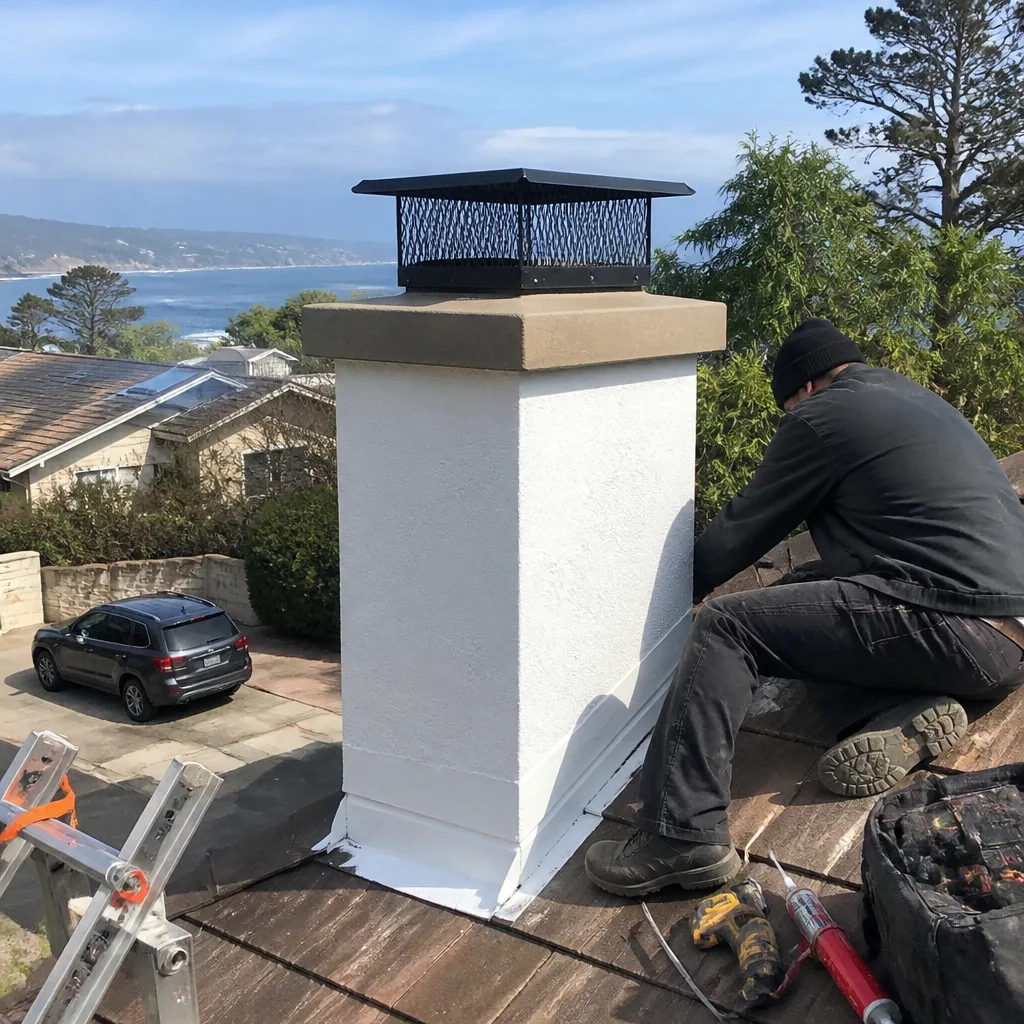
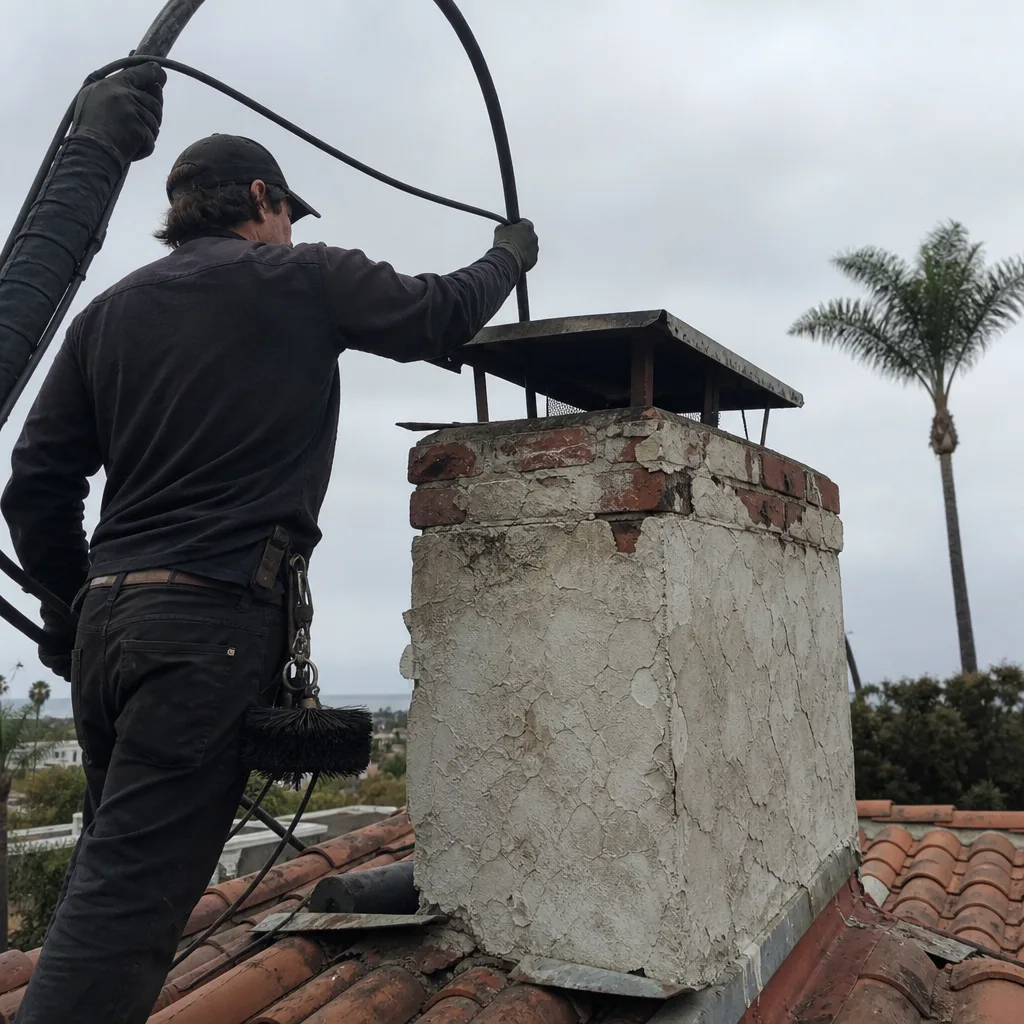
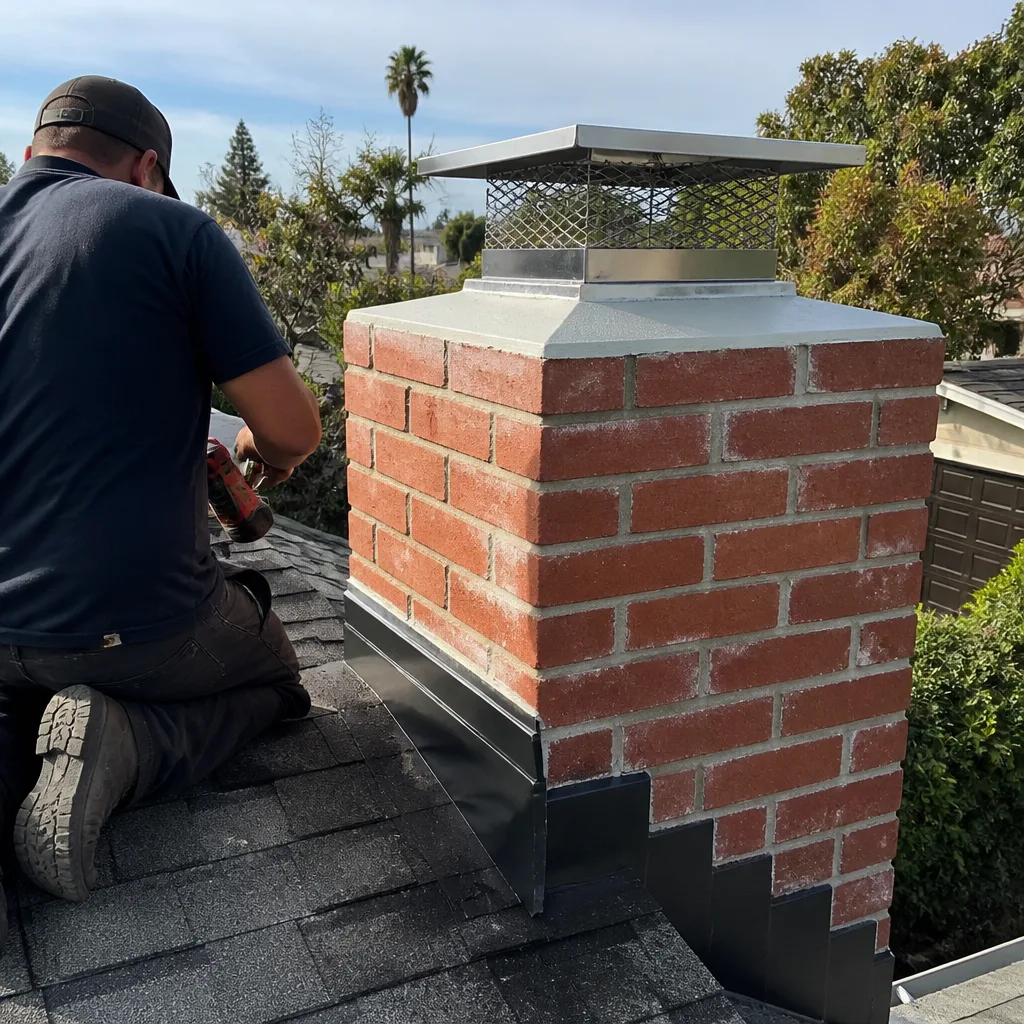
See the difference
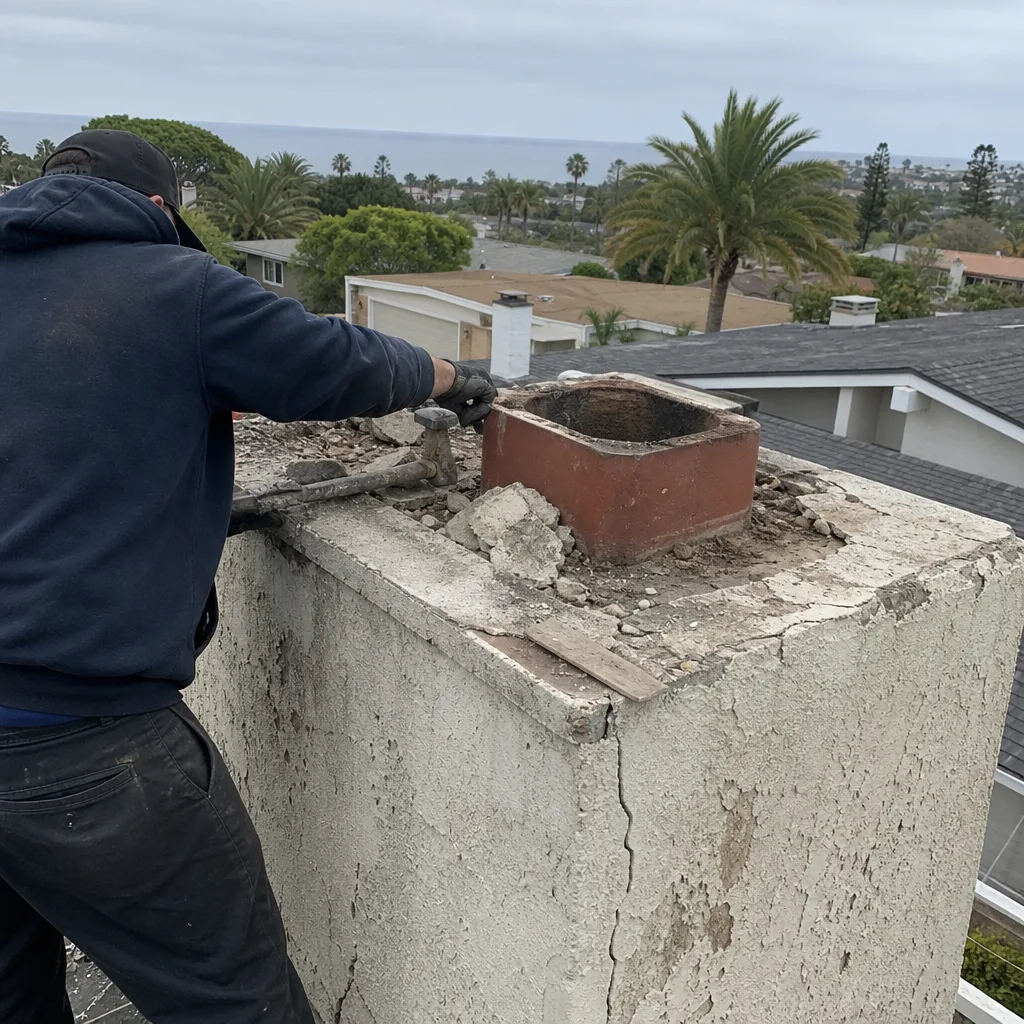 Before
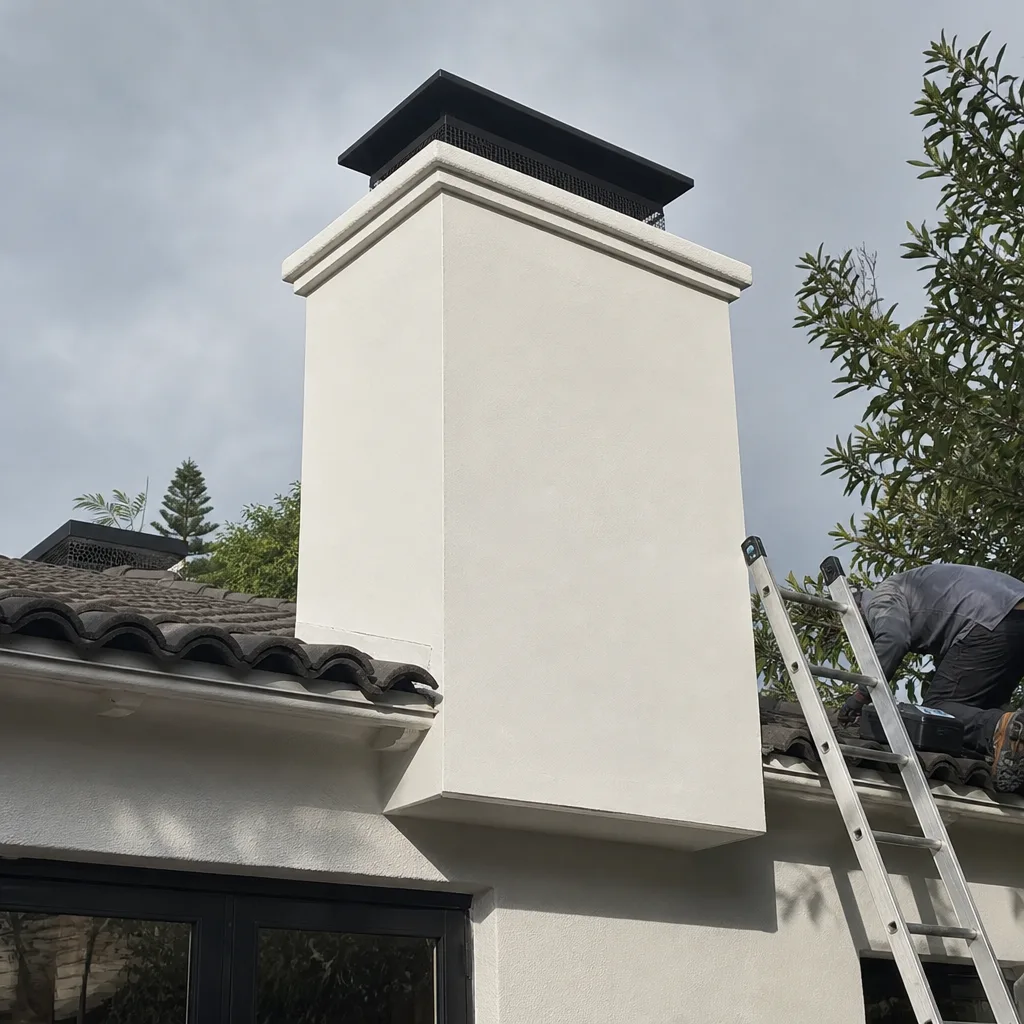 After
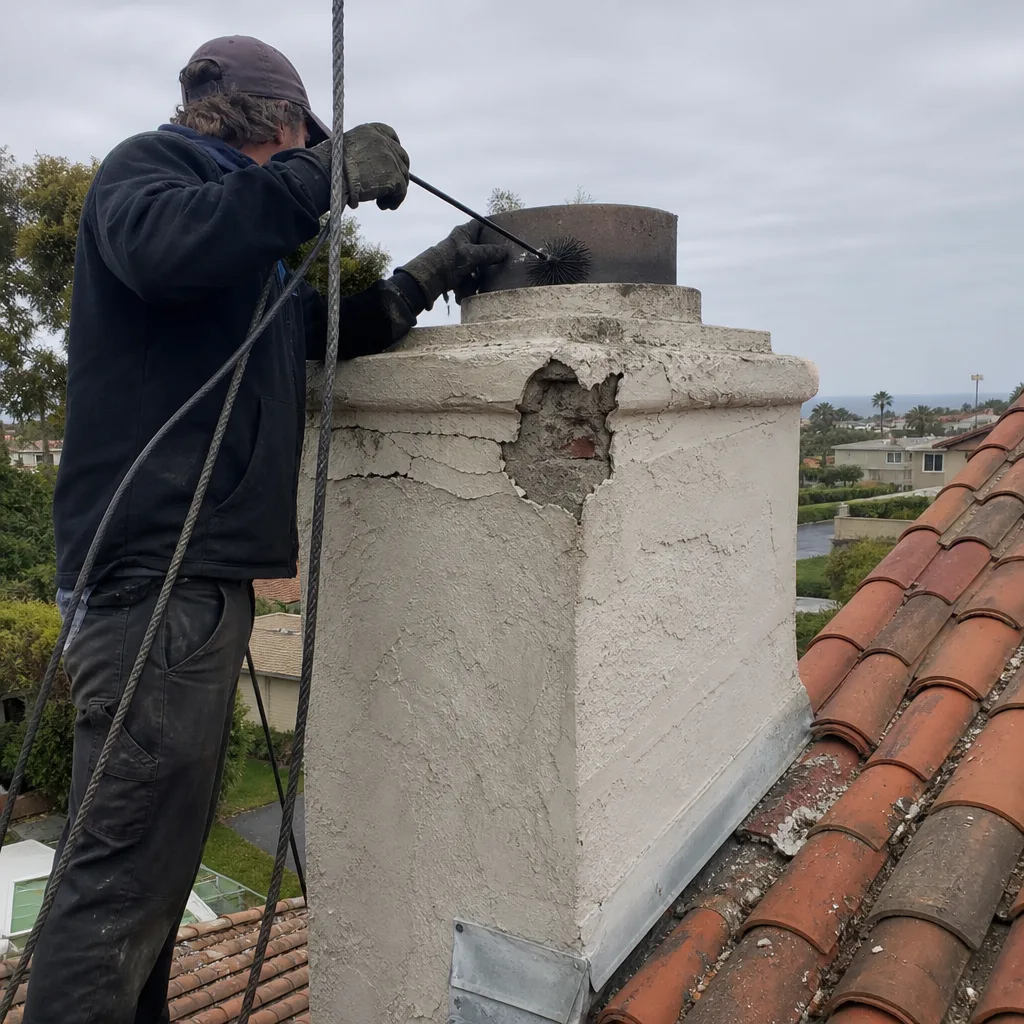 Before
 After
 Before
 After